Dining Etiquette in Japan: Chopsticks Rules You Need To Know
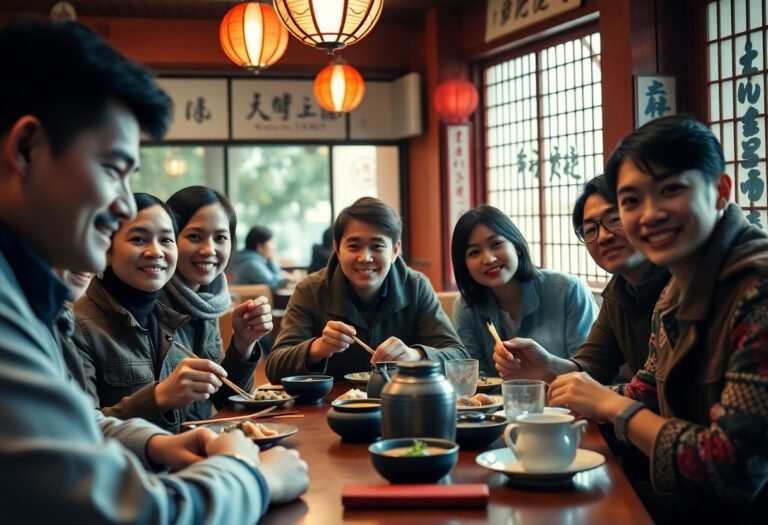
Let’s dive into the subject of dining etiquette in Japan. Picture the scene: You’ve just arrived in Kyoto. You are sitting in a cozy, authentic izakaya, surrounded by locals laughing and clinking glasses. The waiter places a steaming bowl of rice in front of you. You take a break from eating to chat with your friend, and without thinking, you stick your chopsticks vertically into the rice so they stand up on their own.
Suddenly, the mood at the table shifts. The waiter looks slightly horrified. You’ve just committed one of the biggest cultural faux pas in Japan.
Dining in Japan is an incredible experience—after all, Tokyo has held the title of the city with the most Michelin stars in the world for years. But the etiquette can feel like a minefield for the uninitiated. Unlike in the West, where table manners are often just about “politeness,” dining etiquette in Japan is deeply rooted in history, respect, and even spiritual rituals.
In fact, traditional Japanese dietary culture, known as Washoku, is so significant that it has been recognized by UNESCO as an Intangible Cultural Heritage of Humanity.
For first-time visitors, the idea of navigating these rules while trying to pinch a slippery udon noodle between two sticks can be intimidating. But don’t worry. You don’t need to be a master of the tea ceremony to eat comfortably. Most of these rules are surprisingly logical once you understand the why behind them.
In this guide, we are going to break down the essential chopstick rules you need to know—from the absolute “never-dos” that are considered bad luck, to the subtle manners that will earn you a nod of respect from the chef. For a broader overview of manners beyond just food, the Japan National Tourism Organization (JNTO) also offers excellent resources for travelers.
Let’s make sure your table manners are as good as the food you’re about to eat.
The Two “Big Taboos” (Avoid These at All Costs)
Before we get into the minor details of how to hold your chopsticks or where to rest them, we need to address the two “Cardinal Sins” of Japanese dining.
While other mistakes might just make you look a bit clumsy or unpolished, breaking these two rules is considered genuinely offensive or, at the very least, extremely bad luck. This is because both actions directly mimic specific rituals performed during Japanese Buddhist funeral rites.
If you remember nothing else from this guide, remember these two.
Tate-bashi (立て箸): Sticking Chopsticks Vertically
This is the mistake mentioned in the introduction, and it is the most common one tourists make.
-
The Rule: Never, ever stick your chopsticks upright into a bowl of rice so they stand up on their own.
-
The Cultural Context: In Japan, a bowl of rice with upright chopsticks (resembling burning incense sticks) is offered to the spirit of the deceased at their deathbed or on the family altar. This is known as makura-meshi (pillow rice).
-
The Message: By doing this at a restaurant, you are essentially bringing the energy of a funeral to the dinner table. It is seen as a harbinger of bad luck.
- What to do instead: If you need to put your chopsticks down, always place them flat on the provided chopstick rest (hashioki) or across the edge of a bowl.
You might instinctively try to share a piece of food with your dining partner by passing it from your chopsticks directly to theirs. Stop immediately!
-
The Rule: Never pass food directly from chopstick to chopstick.
-
The Cultural Context: This is arguably the most taboo gesture of all. As explained in this detailed guide by Tokyo Weekender, this action mirrors the custom of kotsuage. In this ritual, family members use large, mismatched chopsticks to pick up the remaining bones of the cremated deceased and pass them from person to person to place them into an urn.
-
The Message: Doing this with food is morbid and highly uncomfortable for any Japanese people watching.
-
What to do instead: If you want to give your friend a piece of tempura, place the food onto a small serving plate. Then, hand the plate to them so they can pick it up with their own chopsticks.
Rude Habits to Break (The “Don’ts”)
While the first two rules are about spiritual respect, this next set is about showing respect to the chef and your fellow diners. You might see young children in Japan doing these things, but as an adult traveler, you’ll want to avoid them to make a good impression.
For a comprehensive visual guide on these manners, Japan Guide offers an excellent breakdown of dining dos and don’ts.
Sashi-bashi (刺し箸): The Spear
When you are struggling to pick up a slippery dumpling or a round cherry tomato, the temptation to just stab it with one chopstick is strong. Resist the urge!
-
Why it’s rude: Spearing your food implies two things: either you have the table manners of a toddler, or you are insulting the chef by suggesting the food wasn’t cooked tenderly enough to be picked up properly.
-
The Fix: If you are struggling, it is perfectly acceptable to use a spoon (often provided for slippery items) or ask for a fork.
Yose-bashi (寄せ箸): The Pull
This is the act of hooking your chopsticks over the edge of a bowl or plate to drag it across the table toward you.
-
Why it’s rude: It looks lazy and increases the risk of spilling soup or sauce. In Japan, you should always treat the tableware (often beautiful ceramics) with care.
-
The Fix: Put your chopsticks down (or hold them in one hand), pick up the bowl with your other hand, and move it closer to you.
Mayoi-bashi (迷い箸): The Hover
“Mayoi” means “lost.” This refers to hovering your chopsticks over several different dishes while deciding what to grab next.
-
Why it’s rude: It looks greedy and indecisive. It also moves your utensils around shared food, which can be seen as unsanitary. As noted by the popular cooking resource Just One Cookbook, indecision should happen before you lift your chopsticks.
-
The Fix: Decide what you want to eat with your eyes first. Aim, grab, and eat in one smooth motion.
Neburi-bashi (ねぶり箸): The Lick
This is licking the ends of your chopsticks to clean off sauce or sticky rice grains.
-
Why it’s rude: It is considered unsightly and unsanitary.
-
The Fix: Eat your rice along with your main dishes; the plain rice helps keep the chopsticks relatively clean naturally. If they are very dirty, wipe them discreetly with your paper napkin—never your mouth.
Rubbing Waribashi (Disposable Chopsticks)
You’ve probably seen people in Western movies take disposable wooden chopsticks (waribashi), break them apart, and rub them together vigorously.
-
Why it’s rude: While this used to be done to remove splinters from cheap chopsticks, doing it in a decent restaurant is an insult. It tells the owner: “I think you provide cheap, low-quality utensils.”
-
The Fix: Snap them apart cleanly and start eating. If there really is a splinter, pick it off with your fingers discreetly.
The “Hashioki” (Chopstick Rest) Protocol
You will often notice a small object placed next to your bowl at the beginning of a meal. This is the hashioki (chopstick rest), and it plays a vital role in keeping the table clean and your chopsticks sanitary.
-
The Rule: When you aren’t eating—whether you are chatting, drinking, or have finished your meal—place your chopsticks on the rest.
-
The Orientation: Lay them parallel to the edge of the table, with the tips pointing to the left (if you are right-handed). Never cross them in an “X” shape, as this symbolizes death in China and is generally frowned upon in Japan as well.
-
The “Wrapper Hack”: If you are at a casual izakaya (gastropub) that uses disposable chopsticks, you likely won’t get a ceramic rest. Instead, it is common practice to fold the paper wrapper into a makeshift rest. Live Japan highlights this as a great tip for travelers—it keeps your chopsticks off the bare table and shows you are mindful of hygiene.
Sharing Food from Communal Plates
In Japan, many meals are served “family style,” especially at izakayas where you order several small dishes (tsumami) to share. However, you shouldn’t just dive in with the chopsticks you’ve been eating with.
-
The Toribashi (Serving Chopsticks): First, check if the restaurant has provided specific “serving chopsticks” with the dish. These are usually distinct from your own. Always use these to transfer food to your own small plate (torizara) before eating it.
-
The “Reverse” Move (Sakasa-bashi): If there are no serving chopsticks, you may see people turn their own chopsticks around to use the thick, “clean” ends to grab food. While widely accepted in casual settings, some etiquette experts, as noted by Japan Guide, actually discourage this because the top ends of your chopsticks have been in your hands (which aren’t sterile).
-
The Safest Bet: If you are with close friends, the “reverse” move is usually fine. If you are with a superior or in a formal setting, simply ask the staff for an extra pair of chopsticks (toribashi) to use for serving.
Bowls: To Lift or Not to Lift?
If you grew up in the West, you were likely taught that lifting your bowl off the table is bad manners. In Japan, the opposite is true for small bowls (rice and miso soup).
-
The Rule: It is considered polite to lift your rice bowl (chawan) or soup bowl (shiru-wan) with your non-dominant hand and bring it closer to your mouth while you eat.
-
The “Dog Eating” Taboo: Leaving your bowl on the table requires you to hunch over it to eat. As detailed in the comprehensive table manners guide by Japan Guide, this is poor posture. Lifting the bowl allows you to sit up straight and prevents food from spilling.
-
The Exception: Never lift large flat plates, heavy communal platters, or donburi bowls that are too big to hold comfortably with one hand.
What If I Can’t Use Them? (The Fork Question)
This is the number one anxiety for travelers. What if your hand cramps up? What if you just can’t get the hang of it?
-
Is it rude to ask for a fork? Absolutely not. Japanese hosts want you to enjoy their food, not struggle with it. If you are having a hard time, simply say “Sumimasen, fork kudasai” (Excuse me, fork please). Most restaurants will have Western cutlery available.
-
The Sushi Exception: If you are struggling with sushi, you don’t even need a fork. As the experts at ByFood confirm, it is perfectly acceptable—and traditional—to eat nigiri sushi with your hands. In fact, many sushi chefs prefer you eat this way so the rice doesn’t fall apart.
-
Don’t Stress: The only time you might not find a fork is at a very traditional Ryotei (high-end kaiseki restaurant), but even then, they will usually provide a spoon for soups or custards.
Conclusion: It’s About Respect, Not Perfection
Learning these rules might feel like homework, but don’t let the fear of making a mistake ruin your meal. Japanese people are generally very forgiving of foreign tourists. They don’t expect you to be perfect; they just appreciate that you are trying.
The essence of Japanese dining etiquette isn’t about being stiff or formal; it’s about showing gratitude for the ingredients and respect for the people you are sharing the meal with. If you slip up and stick your chopsticks vertically in your rice, don’t panic. Just correct it, offer a quick “Sumimasen” (I’m sorry), and keep enjoying some of the best food in the world.
Happy Eating!