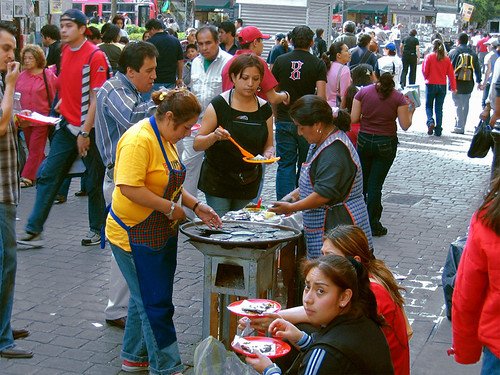
Beyond Tacos: The Ultimate Guide to Street Food in Mexico City
Looking for street food in Mexico City? As you enter Mexico City, the first thing that hits you is the smell – a complex, smoky perfume of charcoal, searing meat, and earthy corn masa that seems to hang permanently in the air. Walking through Mexico City (CDMX) isn’t just sightseeing; it is an active participation in one of the world’s greatest culinary ecosystems. In fact, the food culture here is so vital to the community that Traditional Mexican Cuisine was designated as an Intangible Cultural Heritage of Humanity by UNESCO, a rare honor that recognizes the kitchen as a pillar of identity.
While the city is rightfully famous as the taco capital of the world, experienced eaters know that 50% of the magic lies in the antojitos (little cravings) that often get overlooked by first-time visitors. If you are the type of traveler who actively seeks out [Unique Dining Experiences You Must Try], you cannot limit yourself to al pastor. You need to explore the vast universe of steamed, fried, and griddled corn dough that fuels this megalopolis.
However, diving into the street stalls of CDMX can be intimidating. The pace is fast, the slang is specific, and the hygiene concerns are real. But don’t worry—if you were brave enough to handle our [Delhi Street Food Survival Guide: 7 Essential Rules to Avoid ‘Delhi Belly’], you are more than ready for the streets of Mexico. This guide will walk you through the essential shapes of masa, the iconic sandwiches, and the sweet treats you must try to truly eat like a Chilango.
The Morning Rush: Breakfast on the Go
The city wakes up early, and so do the tamaleros. Walk down any major avenue between 7:00 AM and 10:00 AM, and you will see large stainless steel pots (vaporeras) steaming on street corners. This is the “Vitamin T” diet—Tamales and Tortas—that powers the Mexico City workforce. It is fast, cheap (usually under $2 USD), and incredibly filling.
The Guajolota (Torta de Tamal)
If you want to earn instant respect from a local, step up to a cart and order a Guajolota. This is the heavyweight champion of Chilango breakfasts: a steamed tamal unwrapped and stuffed inside a bolillo (a crusty baguette-style roll).
It sounds redundant—masa dough inside wheat dough—but the textures work perfectly together. The bread adds a necessary crunch to the soft, steamed corn filling. It is often jokingly referred to as a “guajolocombo” when paired with a drink. As noted by culinary experts at The Curious Mexican, this Exploring Mexico through its tamales is the ultimate survival food for a fast-paced lifestyle, designed to keep you full until late afternoon.
Tamales & Atole: The Ancient Pair
If a sandwich is too heavy, you can order just the tamal. You will generally find four standard options at every cart:
-
Verde: Chicken with green tomatillo salsa (spicy).
-
Mole: Chicken with complex, dark red mole sauce (savory/sweet).
-
Rajas: Sliced jalapeño peppers with cheese (vegetarian friendly).
-
Dulce: Sweet pink masa, often with raisins (perfect for kids).
However, you cannot eat a tamal without its liquid partner. If you are the type of traveler who usually plans their mornings around the [World’s Best Coffee Destinations – Here’s The Top 10], you might be surprised to find that the true fuel of Mexico City isn’t caffeine, but corn.
The traditional drink here is Atole, a pre-Hispanic beverage made from nixtamalized corn masa, water, cinnamon, and sugar. It is thick, warm, and velvety. For a chocolaty version, ask for Champurrado. As detailed in Imbibe Magazine’s history of the drink, Mexico’s Atole is a Drink That Spans Centuries, dating back 10,000 years to when humans first domesticated corn. It warms you from the inside out in a way that an espresso simply cannot.
The Masa Family Tree (Shapes of Corn)
While tacos are made with tortillas that are pressed and cooked before the filling is added, most street antojitos are made by shaping raw masa dough around a filling and cooking everything together. The shape determines the name.
Tlacoyos
This is the ancient superfood of the street. A Tlacoyo is an oval-shaped cake made of blue or yellow corn masa, stuffed with beans, fava beans (habas), or seasoned cottage cheese (requesón). It is cooked on a dry griddle (comal) without oil, making it a healthy, hearty option.
-
How to eat it: It’s almost always topped with cactus strips (nopales), cilantro, onions, and salsa.
-
Cultural Note: As noted by culinary historians, the Tlacoyo is a Pre-Hispanic dish that has been eaten in this valley since long before the Spanish conquest. Because they are often stuffed with beans or fava beans, they are a fantastic option for travelers seeking plant-based meals—check out our guide to [Best Vegan-Friendly Cities Worldwide] for more destinations that cater to herbivores.
Gorditas
Directly translating to “little fatties,” Gorditas are thick disks of masa that are fried until the outside is crisp and the inside remains soft and steamy. They are sliced open like a pita pocket and stuffed with chicharrón prensado (pressed pork rinds stewed in chili sauce), carnitas, or cheese.
Huaraches
Named after the traditional Mexican sandal due to its shape, the Huarache is a large, oblong slab of masa that is thicker than a tortilla but thinner than a tlacoyo. The history of this dish is specific to Mexico City; it was invented in the 1930s by Carmen Gómez Medina, a vendor at the La Viga canal, who lengthened her tlacoyos to satisfy hungry customers.
-
The Difference: unlike a tlacoyo, the huarache is fried and usually topped with a protein like rib eye steak (costilla), eggs, or tongue, then smothered in salsa and cheese.
The “Quesadilla without Cheese” Debate
If you order a quesadilla in Mexico City, the vendor will ask you: “¿Con queso o sin queso?” (With cheese or without cheese?).
To the rest of Mexico (and the world), this is linguistic heresy—the word quesadilla implies queso (cheese). However, in the capital, the word has evolved to mean “a folded tortilla with a filling.” That filling could be mushrooms, squash blossoms (flor de calabaza), or corn smut (huitlacoche).
-
The Tip: If you want cheese, you must explicitly ask for it. Don’t argue with the vendor about the etymology; just say, “Una quesadilla de hongos con queso, por favor.” (A mushroom quesadilla with cheese, please).
If you find yourself falling in love with the complexity of these masa shapes, you might wonder how to replicate them at home. Taking a class is a great way to bring these skills back with you—read our thoughts on Cooking Classes Abroad to see if a culinary workshop fits your travel style.
The Heavy Hitters: Sandwiches & Specialties
Sometimes, a few bites of masa aren’t enough. When Chilangos need a serious meal that will sustain them through a long afternoon, they turn to the heavyweights of the street: sandwiches and corn snacks that are meals in themselves.
Tortas: The King of Sandwiches
If the taco is the soul of Mexico City, the Torta is its muscle. Served on a telera or bolillo roll, these sandwiches are famous for their sheer size and variety.
-
The Cubana: This is the “kitchen sink” of sandwiches. Despite the name, it has nothing to do with Cuba. It is a maximalist creation stacked with ham, hot dogs, roast pork, milanesa (breaded cutlet), cheese, egg, avocado, and refried beans. It is a budget-traveler’s dream—massive caloric intake for very little money. If you are following our [Budget Travel Tips For Students], splitting a Cubana is one of the smartest economic moves you can make in the city.
-
The Pambazo: Visually, this is the most striking sandwich in the city. The bread is dipped in a red guajillo chile sauce before being fried, turning it a vibrant orange-red. It is traditionally stuffed with potatoes and chorizo, then topped with lettuce, cream, and cheese. As detailed by Mexico News Daily, the Pambazo is one of Mexico’s great culinary contradictions—a messy, soggy-yet-crispy delight that is practically impossible to eat without making a mess.
Elotes & Esquites: The Snack of the People
As the sun sets, the smell of the streets changes from searing meat to boiling herbs. This signals the arrival of the eloteros (corn vendors).
-
Elotes: This is corn on the cob, boiled or grilled, stuck on a stick, and slathered with mayonnaise, cotija cheese, chili powder, and lime.
-
Esquites: Ideally suited for walking, this is the same concept but served in a cup. The corn kernels are cut from the cob and boiled in a broth flavored with epazote (a pungent, herbal weed native to Mexico). You eat it with a spoon, mixing the layers of mayo, cheese, and chili.
The street corn culture in CDMX is vibrant and communal. If you enjoyed our guide to [Street Food Adventures in Bangkok], you will find a similar nocturnal energy here. According to Saveur, esquites are a mandatory stop on any culinary tour, often served boiling hot to crowds gathering on street corners late into the night.
Sweets & Sips
After a savory feast, the streets offer a sugar rush that is impossible to ignore.
Camotes (Sweet Potatoes)
You will hear them before you see them. The camotero pushes a cart with a wood-fired metal stove that steams sweet potatoes (camotes) and plantains (plátanos). The steam pressure is released through a whistle, creating a high-pitched, mournful scream that echoes through the neighborhoods at night. It is one of the oldest and most atmospheric sounds of the city, described by The Mija Chronicles as a sound that defies description to those who haven’t heard it. The soft, caramelized potatoes are served simply with condensed milk and jam.
Churros
While Spanish in origin, Mexico City has perfected the churro. They are often thinner and crispier here, rolled in cinnamon sugar. The most famous institution is El Moro, founded in 1935 by a Spanish immigrant who named it after the churro sellers of his homeland. As noted by Our Tasty Travels in their guide to Churrería El Moro, the original location is open 24 hours, making it the ultimate stop after a night of mezcal.
Aguas Frescas
To wash it all down, look for the large glass vitrines filled with colorful liquids. These are aguas frescas—fresh fruit waters.
-
Jamaica: Tart hibiscus flower tea (deep red).
-
Horchata: Rice water flavored with cinnamon and vanilla (milky white).
-
Tamarindo: Tangy tamarind pulp (brown).
-
Lima: Sweet lime (distinct from regular lime juice).
These drinks are refreshing and ubiquitous. For a deeper dive into the varieties you might encounter, check out Eat Your World’s guide to Aguas Frescas in Mexico, which highlights regional favorites you shouldn’t miss.
Street Smarts: How to Eat Like a Local
Eating on the street is an art form. To navigate it safely and respectfully, keep these tips in mind.
-
Hygiene Tips: Follow the “crowd rule”—if a stall is packed with locals, the turnover is high, and the food is fresh. Also, look for stalls where the person handling the money is not the same person handling the food.
-
The “Rule of Salsas”: Color does not indicate heat. A creamy green salsa might be made of harmless avocado, or it might be a blazing habanero mixture. Always test a drop on the back of your hand before drowning your taco.
-
Paying: Cash is king. Vendors rarely accept cards. Keep small bills ($20, $50, and $100 peso notes) on hand. Trying to pay for a $15 peso taco with a $500 peso bill is bad form.
Conclusion
To visit Mexico City and eat only in restaurants is to miss the city’s heartbeat. The street is where the history lives, from the pre-Hispanic tlacoyo to the colonial churro and the modern urban huarache. It is a chaotic, delicious, and endless buffet that invites you to be bold and explore the best street food in Mexico City.
So, skip the hotel breakfast. Walk outside, follow the smell of toasted corn, and ask the first vendor you see, “¿Qué tiene de rico?” (What do you have that’s good?). You won’t regret it.
Ready for more culinary adventures? Check out our guide to Street Food Adventures in Bangkok or discover the Best Coffee Destinations Around the World to plan your next tasting trip.
Book Attractions In Mexico City
Frequently Asked Questions (FAQ’s)
Do street vendors accept credit cards?
Rarely. While some modernized stalls might have card readers, cash is king on the street. Always carry small bills ($20, $50, and $100 pesos) and coins. Vendors often struggle to make change for large bills like $500 pesos.
I’m vegetarian. Can I still enjoy street food?
Absolutely! Mexico City is surprisingly vegetarian-friendly. You can order quesadillas filled with flor de calabaza (squash blossom), huitlacoche (corn fungus), or hongos (mushrooms). Tlacoyos are typically stuffed with beans or fava beans, and elotes (corn) are vegetarian if you skip the cheese (or just check if it's rennet-free, though strictly speaking, most street cheese is just pasteurized cow milk).
Is the ice in Aguas Frescas safe to drink?
In Mexico City, reputable street vendors use large jugs of purified water (garrafones) to make their drinks and ice, because tap water is not potable even for locals. If you see them pouring water from a sealed blue jug, it is safe. If you are unsure or have a very sensitive stomach, stick to bottled beverages.
How much should I budget for street food?
Street food is incredibly affordable.
Tacos: $15–$25 MXN each ($0.75–$1.25 USD)
Tortas: $50–$90 MXN ($2.50–$4.50 USD)
Elotes/Esquites: $25–$40 MXN ($1.25–$2.00 USD)
Juices/Aguas Frescas: $20–$40 MXN ($1.00–$2.00 USD) You can easily have a full, hearty meal for under $5 USD.
Is all the food spicy?
No. Most food is cooked without chili in it; the heat comes from the salsas you add yourself. However, always ask, "¿Pica?" (Is it spicy?) before adding any sauce. Remember the golden rule: Green salsa isn't always mild—it can sometimes be the hottest one on the table!