The Top 7 Best Places to Scuba Dive for Beginners in the Caribbean
Finding the best places to scuba dive for beginners is the most critical step in ensuring your love affair with the ocean lasts a lifetime. Imagine descending into water so clear it feels like flying, where the temperature matches your body heat, and the currents are as gentle as a lazy river. For new divers, the environment is everything; a cold, dark, or chaotic first experience can turn a potential lifelong passion into a one-time stressful event.
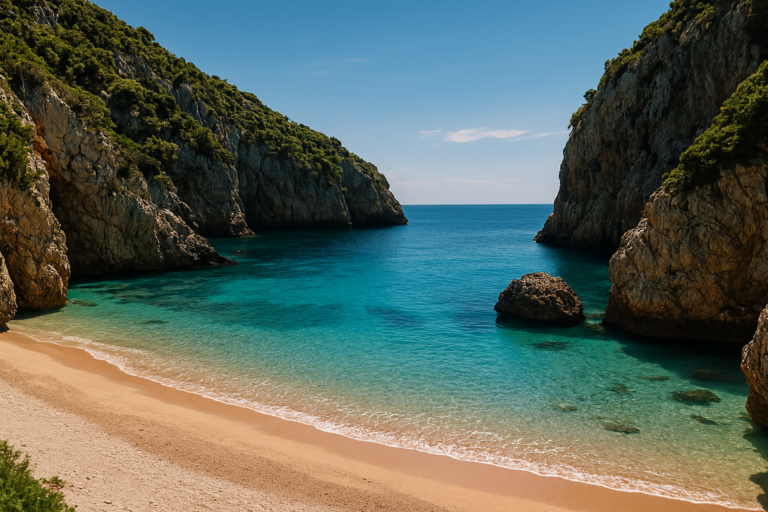
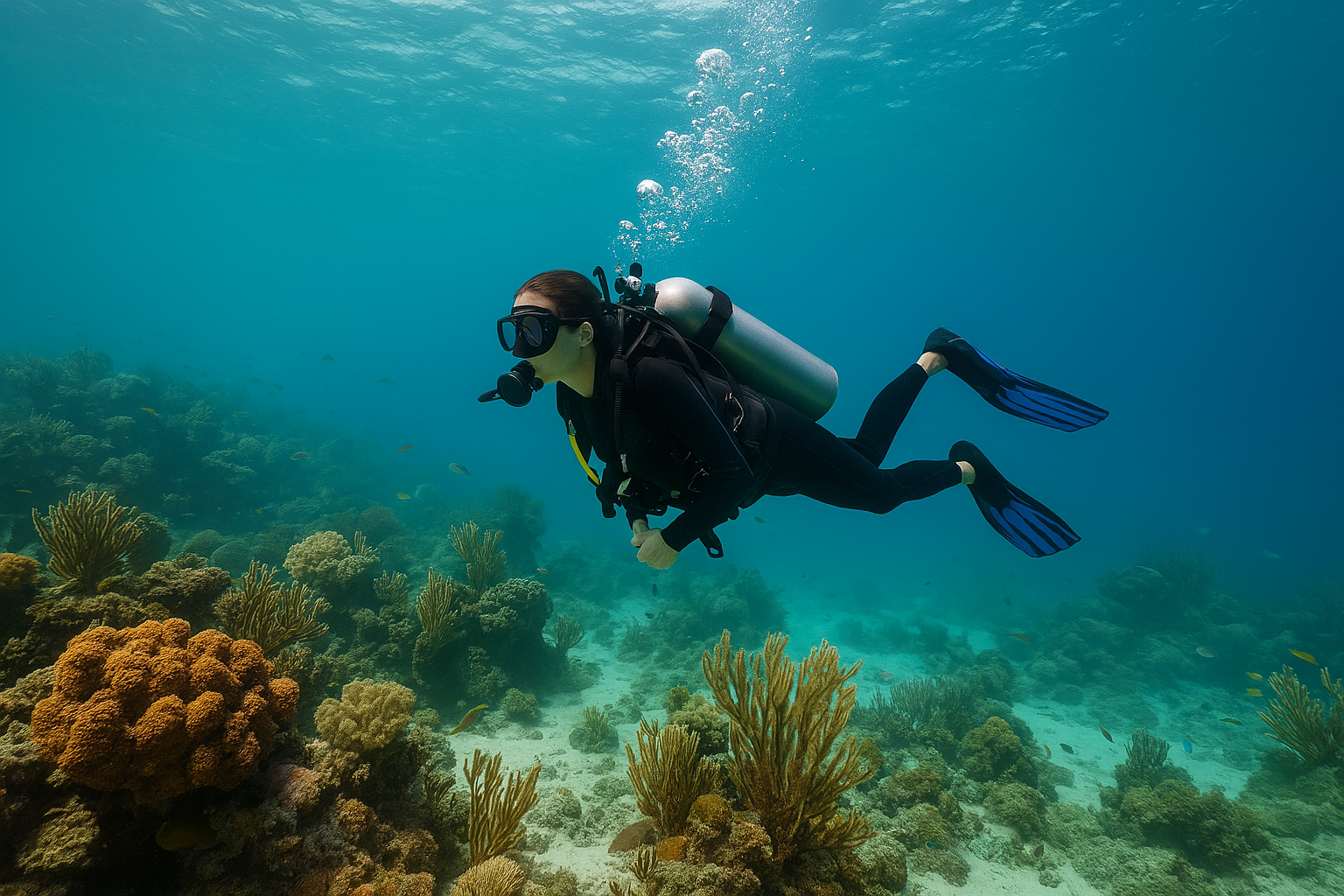
Fortunately, the Caribbean serves as the world’s ultimate “nursery” for novice divers. With water temperatures averaging between 78°F and 84°F year-round and visibility often exceeding 100 feet, this region removes the most common stressors—cold and claustrophobia—from the equation. According to PADI’s guide to Caribbean diving, the region is home to some of the planet’s most accessible shallow reefs, allowing you to master your buoyancy without the fear of deep abysses.
Whether you are looking to get your Open Water certification or simply want a relaxed environment for your first few logged dives, choosing the right island is key. We have curated a list of the 7 safest, most accessible, and visually stunning destinations where the water is calm, the marine life is abundant, and the diving is easy.
The Top 7 Best Places to Scuba Dive for Beginners in the Caribbean
Bonaire (The Shore Diving Capital)
-
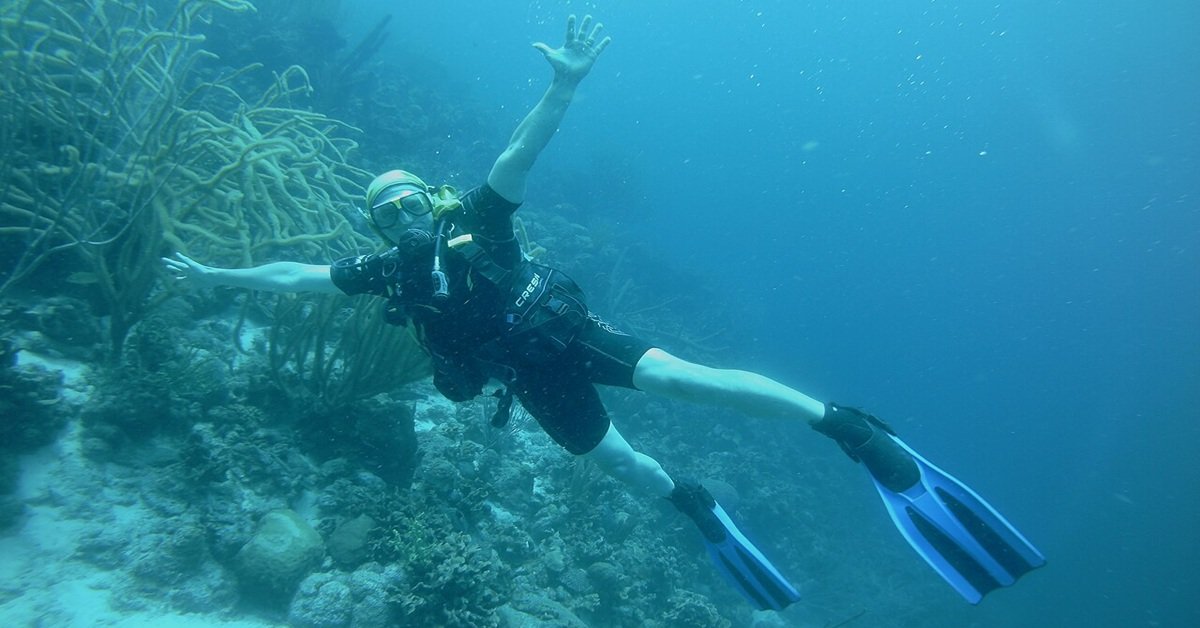
Why it’s perfect for beginners: The waters surrounding Bonaire are protected from strong waves, creating a swimming-pool-like environment. According to Scuba Diving Magazine’s guide to Bonaire, the island offers over 85 official dive sites, the majority of which are accessible from the beach. This “drive-and-dive” culture allows you to rent a truck, grab some tanks, and dive whenever you feel comfortable—perfect for those who want to take their time setting up gear without the rush of a group boat dive.
-
The “Easy” Factor: Because you enter from the shore, you can control your depth completely. If you only want to go 20 feet deep, you can. There is no pressure to descend into deep blue water before you are ready.
-
Top Beginner Site: Salt Pier is a favorite for new divers. The pillars of the pier are covered in vibrant sponges and corals, attracting massive schools of fish, turtles, and barracuda in shallow water (15–40 feet). Another excellent option is 1000 Steps (don’t worry, there are actually only about 70 steps!), where you can often spot sea turtles right off the beach.
Grand Cayman, Cayman Islands
Grand Cayman is widely considered one of the best places to scuba dive for beginners because it offers an environment that feels more like a swimming pool than the open ocean. Famous for its wall dives, the island also boasts shallow, protected coral gardens that are perfect for those just earning their fins. The water clarity here is legendary, often exceeding 100 feet (30 meters), which significantly reduces the feeling of claustrophobia that some new divers experience in murkier waters.
-
Why it’s perfect for beginners: The island’s geography provides a “lee” side (the west side), where the water is famously calm. According to the Cayman Islands Department of Tourism, the conditions are consistent year-round with minimal currents, meaning you won’t have to fight to stay in one place while learning to control your buoyancy.
-
The “Easy” Factor: Grand Cayman is highly developed for dive tourism. You will find that most operators offer “valet diving,” where the crew sets up your gear and helps you in and out of the water—a luxury that takes the physical stress out of the experience.
-
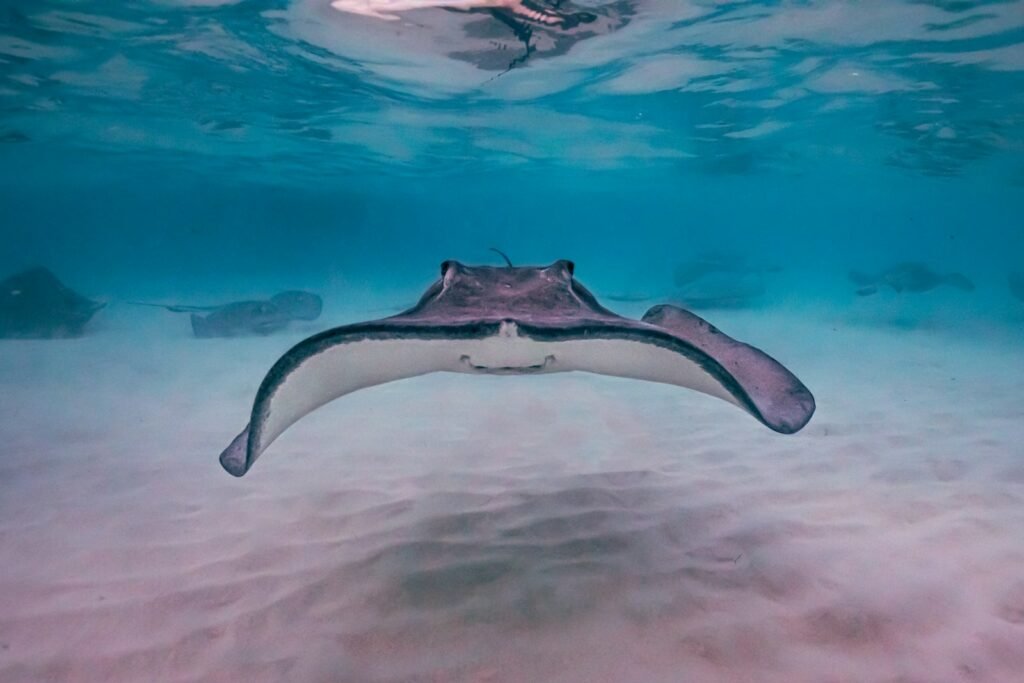
Top Beginner Site: Stingray City (the dive site, not the sandbar) is arguably the most famous shallow dive in the world. Sitting at a depth of only 12 feet (4 meters) on a sandy bottom, it allows you to kneel safely while dozens of docile Southern Stingrays glide around you. It provides a high-adrenaline wildlife encounter with virtually zero risk, making it the perfect confidence booster for a novice.
Book Attractions in Grand Cayman
Roatán, Honduras
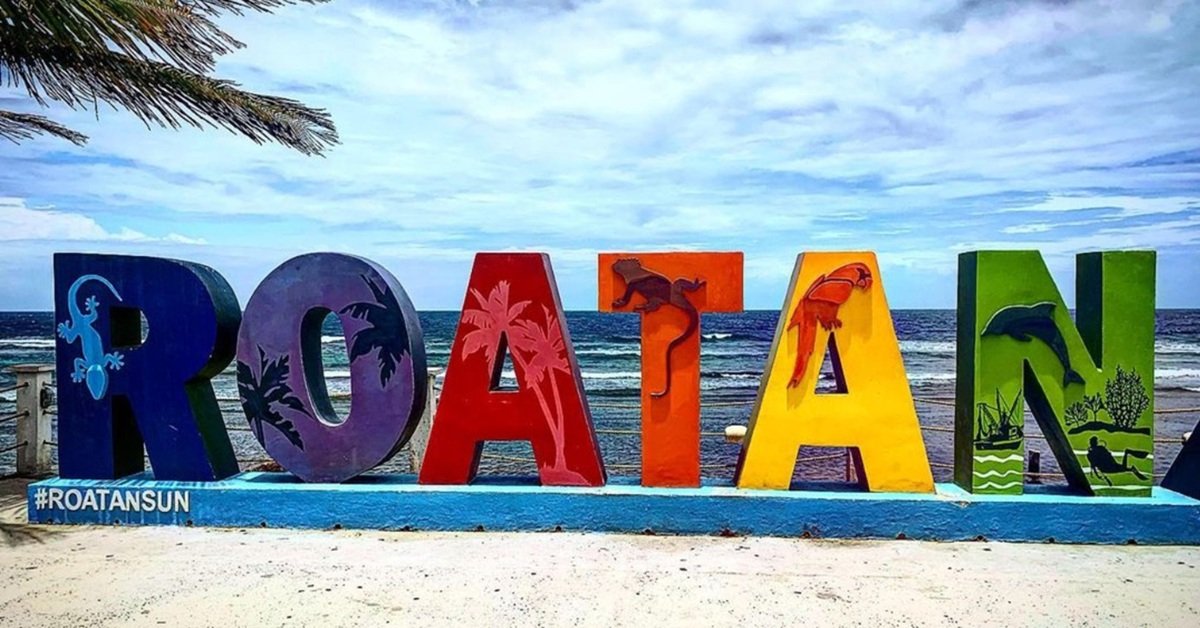
Roatán is frequently cited as one of the best places to scuba dive for beginners because it offers world-class diving at a fraction of the cost of other Caribbean destinations. Located on the Mesoamerican Barrier Reef—the second largest barrier reef system in the world—this island is surrounded by a fringing reef that protects the shoreline, keeping the shallow waters calm and crystal clear.
-
Why it’s perfect for beginners: The diving infrastructure here is immense but laid back. Because the reef is so close to shore, you spend very little time on bumpy boat rides. PADI’s guide to Roatán highlights that the island is a “mecca” for certification courses due to its affordability and the sheer density of easy, high-quality dive sites.
-
The “Easy” Factor: Roatán is famous for its “valet diving” service at many resorts, but the real draw is the conditions. The leeward side of the island acts like a natural swimming pool. You can often see the bottom clearly from the surface, which is comforting for first-timers.
-
Top Beginner Site: Mandy’s Eel Garden (located off West Bay) is a classic beginner favorite. It starts in just 15 feet of water and features a sandy bottom where you can safely kneel and watch hundreds of Garden Eels sway in the sand. It also offers a very shallow wall that allows you to peek into the deep blue without actually having to go there.
Cozumel, Mexico
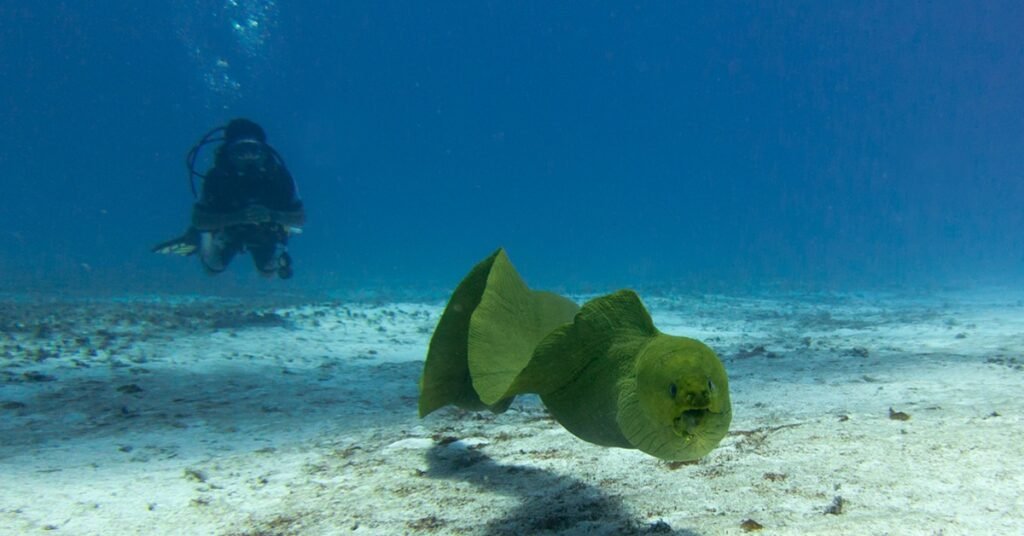
Cozumel offers a unique thrill that sets it apart from other destinations: drift diving. While the idea of a current might sound intimidating to a beginner, the currents on the island’s protected southwest coast are generally gentle and consistent. This allows you to simply hover neutrally and let the ocean carry you over the reef—a sensation divers describe as “flying” underwater.
-
Why it’s perfect for beginners: You don’t have to swim hard to see the sights. Because the current does the work for you, you consume less air, allowing for longer bottom times. PADI’s guide to Cozumel notes that the visibility is spectacular, often reaching 100 feet, which makes keeping track of your dive buddy and guide incredibly easy.
-
The “Easy” Factor: Cozumel is world-famous for its “valet diving” service. On most boats, the crew will swap your tanks and even help you put your fins on. Your only job is to backroll into the turquoise water and enjoy the show.
-
Top Beginner Site: Palancar Gardens is a stunning introduction to Cozumel’s reef system. With a mild current and a shallow depth profile (starting around 30 feet), it features towering coral pinnacles and bright purple fans. Unlike deeper wall dives, this site allows you to weave safely between coral heads while spotting hawksbill turtles and nurse sharks resting in the sand.
Providenciales, Turks and Caicos
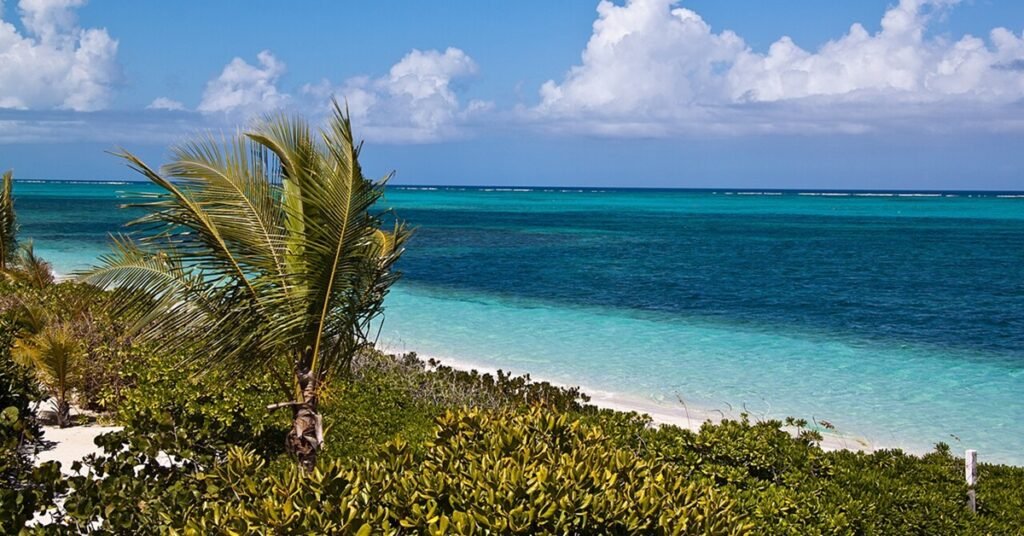
If you are looking for a luxury experience combined with pristine nature, Providenciales (Provo) is one of the best places to scuba dive for beginners in the luxury travel category. Part of a massive archipelago, the islands sit on an extensive underwater plateau that rises 7,000 feet from the ocean floor, creating a vast area of shallow, turquoise water teeming with life.
-
Why it’s perfect for beginners: The destination is renowned for its “aquarium-like” conditions. The barrier reef effectively blocks ocean swells, keeping the near-shore waters calm and easy to navigate. According to the Turks and Caicos Tourist Board, the destination offers some of the healthiest coral reef systems in the region because they are less crowded than other Caribbean hotspots.
-
The “Easy” Factor: Unlike some destinations where you need to take hour-long boat rides, many of the best sites in Provo are a quick 15 to 20-minute ride from the dock. The diving culture here is upscale and unhurried, with small group sizes being the norm.
-
Top Beginner Site: Grace Bay offers a series of dive sites that are ideal for novices. Protected by a barrier reef, this area features minimal currents and depths ranging from 30 to 60 feet. It is one of the few places where beginners can reliably see Caribbean reef sharks (which are shy and docile) on their very first dive, adding a thrilling “bucket list” moment to the experience without the danger.
Book Attractions in Providenciales
Soufrière, St. Lucia
-
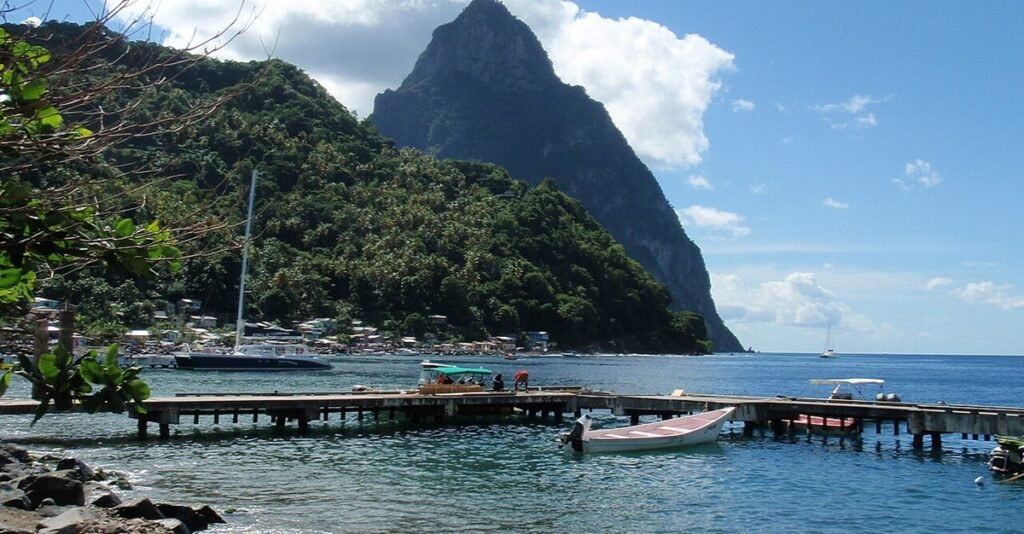
Why it’s perfect for beginners: The water conditions in the Soufrière Marine Management Area are heavily regulated to ensure safety and preservation. The currents here are generally mild to non-existent near the shore. The island places a huge emphasis on marine conservation, which means even shallow reefs are bursting with life, including frogfish, seahorses, and vibrant sponges.
-
The “Easy” Factor: You can experience world-class diving without ever stepping foot on a boat. The convenience of “beach entry” here is unmatched; you simply gear up on the sand, walk a few steps into the calm water, and submerge. This eliminates the stress of deep-water backrolls or seasickness.
-
Top Beginner Site: Anse Chastanet Reef is the crown jewel for novices. Located just 15 yards from the water’s edge, the reef starts in shallow water (around 20 feet) and gently slopes down. Because it is a designated marine reserve, the fish are unafraid of divers, allowing you to get up close to schools of grunt and snapper without chasing them.
Grenada
-
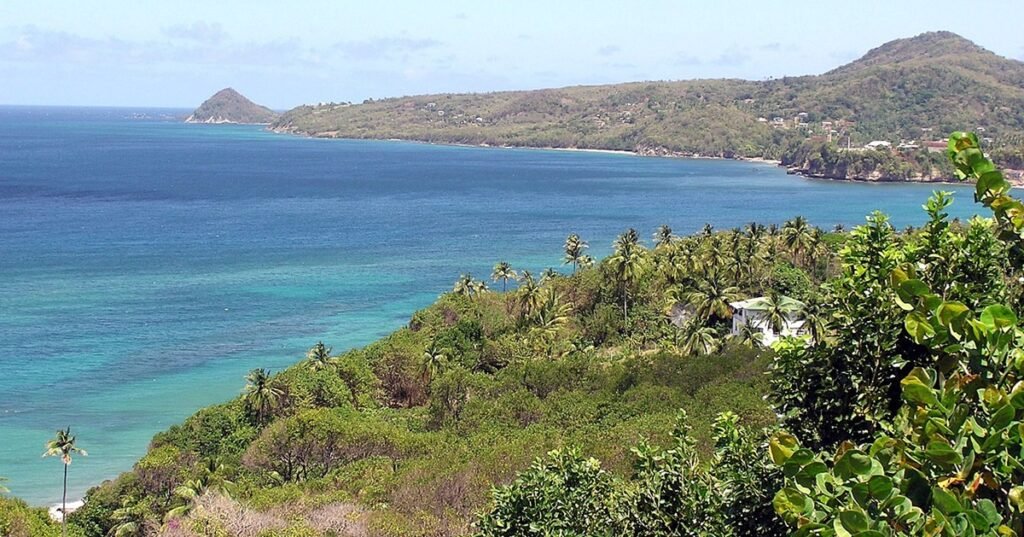
Why it’s perfect for beginners: Most of the diving takes place along the sheltered southwest coast, where the Caribbean Sea meets the Atlantic. The bays here are protected from the rougher Atlantic currents, providing calm surface conditions. Pure Grenada, the official tourism board, highlights that the island caters to all levels, offering a mix of shallow coral gardens and unique artificial reefs that are easily accessible.
-
The “Easy” Factor: The diving culture here is incredibly relaxed (it is the “Spice Isle,” after all). The boat rides to the dive sites are typically short—often less than 15 minutes—and the water is warm enough year-round that thick wetsuits are rarely needed.
-
Top Beginner Site: The Molinere Underwater Sculpture Park is a must-see. Sitting at a depth of only 15 to 25 feet (5–8 meters), it is shallow enough for snorkelers but best enjoyed on scuba. You can hover effortlessly around life-sized statues, including the famous “Vicissitudes” (a ring of children holding hands), which have now become artificial reefs encrusted with coral and sponges. It is an eerie, magical, and totally safe environment for your first few dives.
Tips for Booking Your First Caribbean Dive Trip
Choosing one of the best places to scuba dive for beginners is only half the battle. To ensure your trip is as smooth as the calm Caribbean waters, keep these logistical tips in mind before you board the plane.
-
Watch the Calendar (Hurricane Season): While the Caribbean offers year-round diving, the water is calmest when the weather is stable. The Atlantic hurricane season officially runs from June 1 to November 30, with the highest risk of storms occurring between August and October. If you are nervous about rough seas, aim for a trip between December and May.
-
Get Certified Before You Go (eLearning): You don’t want to spend half your vacation in a classroom watching videos. Most agencies, including PADI and SSI, allow you to complete the “classroom” portion of your certification online at home. You can sign up for PADI eLearning to finish your theory work before your trip, leaving only the pool and open water dives for your vacation.
-
Don’t Forget Dive Insurance: Most standard travel insurance policies explicitly exclude scuba diving. For peace of mind, it is highly recommended to purchase specific dive accident insurance. DAN (Divers Alert Network) is the industry standard, offering affordable plans that cover hyperbaric chamber treatment and medical evacuation.
-
Check Your Health: Scuba diving requires good respiratory and circulatory health. Before booking, review the standard Diver Medical Questionnaire (available on the PADI downloads page). If you answer “Yes” to any questions (like asthma or ear issues), you will need a physician’s signed approval to dive.
Conclusion
Taking your first breath underwater is a life-changing experience, and where you choose to do it matters. From the shore-diving freedom of Bonaire to the luxury of Providenciales and the gentle drifts of Cozumel, the Caribbean offers a variety of safe, stunning environments to start your journey.
These 7 islands are widely recognized as the best places to scuba dive for beginners because they forgive novice mistakes while delivering world-class views. Whether you want to swim with stingrays, explore underwater statues, or simply hover over a colorful reef, the perfect destination is waiting for you.
Ready to take the plunge? We recommend visiting the PADI Dive Shop Locator to find a top-rated dive center on your chosen island and booking your course today.
Frequently Asked Questions (FAQ)
Q. Is it safe to scuba dive in the Caribbean?
A. Yes, the Caribbean is considered one of the safest regions in the world for recreational diving. The dive industry here is highly regulated, ensuring operators adhere to strict safety standards. Additionally, the warm water prevents hypothermia, and the destinations listed above are specifically chosen for their lack of strong currents, making them the best places to scuba dive for beginners.
Q. How long does it take to get certified while on vacation?
A. A full Open Water certification course typically takes 3 to 4 days to complete. However, if you complete your "classroom" theory work online before you travel (using PADI or SSI eLearning), you can often finish the in-water training portions in just 2 days, leaving you more time to enjoy the beach.
Q. Do I need to buy my own scuba gear before the trip?
A. No. Almost all dive shops in the Caribbean have rental gear available, and it is usually included in the price of a beginner course or "Discovery Dive." As a beginner, it is recommended to rent gear first to learn what fits you best. The only items you might consider buying for comfort are your own mask and snorkel.
Q. Can I scuba dive if I am not a strong swimmer?
A. You do need basic water comfort and swimming skills. To become a certified diver, you must be able to swim 200 yards (any stroke, no time limit) and float or tread water for 10 minutes. If you cannot meet these requirements, you will not be able to get certified, though you may still be able to do a shallow "Discovery Dive" where an instructor holds onto you the entire time.
Q. Will I see sharks, and are they dangerous?
A. In many of these locations, you might see Nurse Sharks or Caribbean Reef Sharks. It is important to know that these species are generally very docile and shy. They typically ignore divers unless provoked. Seeing a shark is considered a highlight for most divers, not a danger!