Quiet Beach Towns in Italy: 7 hidden Gems You Should Visit This Year
Quiet Beach Towns in Italy
If you are dreaming of escaping the crowds this summer, looking for quiet beach towns in Italy is the first step to finding your own slice of paradise. While the Amalfi Coast and Cinque Terre are undeniably stunning, they often come with a side of shoulder-to-shoulder tourists and sky-high prices that can make true relaxation difficult.
There is a different side to the Mediterranean—one where you can still experience the authentic “il dolce far niente” (the sweetness of doing nothing). From the rugged cliffs of the Adriatic to the pristine sands of the Tyrrhenian Sea, Italy’s official tourism offerings are vast, yet many of the most enchanting spots remain surprisingly under the radar. These are the places where the locals go to unplug, eat fresh seafood by the water, and enjoy the slow pace of coastal life without the noise.
In this guide, we are trading the busy piazzas for hidden coves. Here are 7 hidden gems where you can finally hear the sound of the waves over the chatter of the crowds.
7 hidden Gems You Should Visit This Year
Camogli, Liguria
The “Quiet” Alternative to Cinque Terre
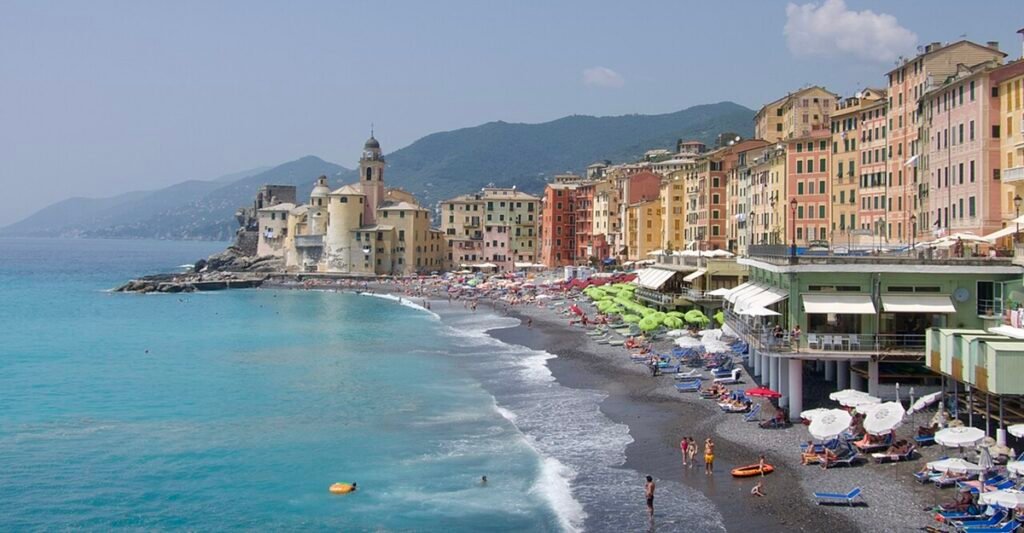
If you love the colorful, stacked architecture of the Cinque Terre but can’t stand the elbow-to-elbow crowds, Camogli is your perfect substitute. Located just a short train ride from Genoa, this elegant fishing village is famous for its tall, pastel-colored buildings that line the harbor—a tradition dating back centuries so fishermen could spot their homes from the sea.
Why it’s a gem
Camogli feels lived-in and authentic. You won’t find rows of souvenir shops selling plastic trinkets; instead, you’ll find locals chatting on the promenade and children playing on the pebble beach. It is sophisticated yet entirely unpretentious.
Highlights
-
Focaccia by the Sea: You cannot visit this region without trying the legendary Focaccia di Recco (cheese-filled flatbread). Grab a slice from a local bakery and eat it right on the beach while watching the sunset.
-
The San Fruttuoso Abbey: Take a 20-minute boat ride with Golfo Paradiso to reach this hidden bay. Here, a stunning medieval abbey sits right on a small pebble beach, accessible only by sea or foot. You can learn more about visiting the abbey on the FAI (National Trust for Italy) official website.
-
Hiking Portofino Regional Park: Camogli acts as the gateway to some of the best coastal hiking in Italy. The trails here offer breathtaking views of the Mediterranean without the congestion of the Cinque Terre paths. Check out trail maps on the Parco di Portofino website.
Best For: Couples seeking romance and hikers who want dramatic sea views with a side of peace and quiet.
Sperlonga, Lazio
The Whitewashed Maze Near Rome
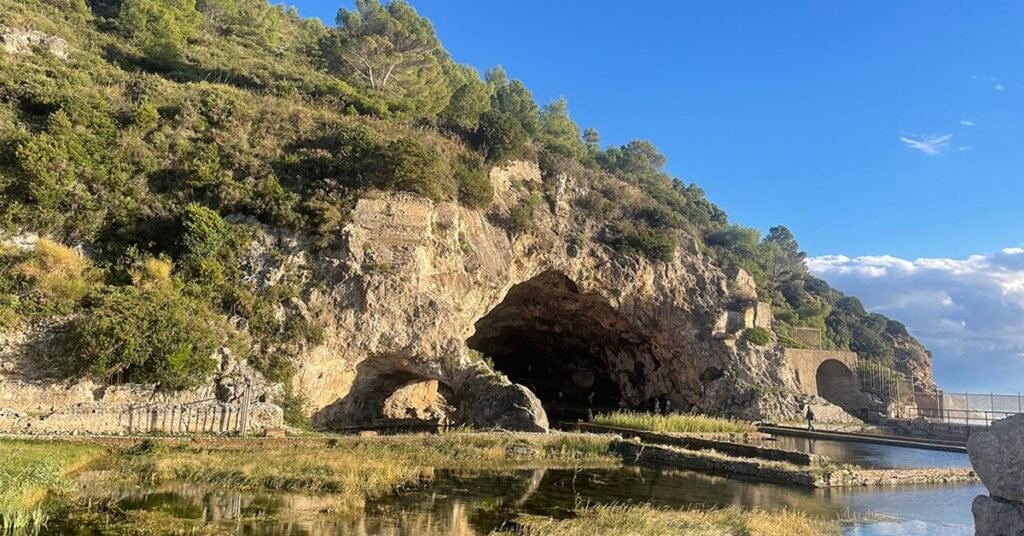
If you’ve ever wanted to visit a Greek island without leaving the Italian mainland, Sperlonga is the answer. Located roughly halfway between Rome and Naples, this ancient fishing village is a dazzling maze of whitewashed alleys, arches, and staircases that tumble down toward the sea. While it’s a favorite weekend escape for Romans in the know, it remains largely undiscovered by international tourists looking for quiet beach towns in Italy.
Why it’s a gem
Sperlonga combines history with relaxation. The town is split into two parts: the upper historic center (Centro Storico), which sits on a cliff offering panoramic views, and the lower marina, which boasts long stretches of fine, golden sand—a rarity in a country famous for pebble beaches.
Highlights
-
Blue Flag Beaches: Sperlonga consistently receives the prestigious Blue Flag award for its clean water and environmental management. The beaches here are wide, sandy, and slope gently into the sea, making them perfect for swimming.
-
Emperor Tiberius’s Villa: History buffs will love the Villa of Tiberius, an ancient Roman archaeological site located right on the coast. It includes a fascinating museum filled with sculptures found in the nearby grotto. You can plan your visit through the Italian Ministry of Culture’s official page.
-
Dinner with a View: In the evenings, head up to the historic center. The piazzetta (small square) comes alive with a relaxed vibe. Grab a table at a restaurant overlooking the Tyrrhenian Sea and watch the sun dip below the horizon. For more on local dining and events, check the Visit Lazio official guide.
Best For: History lovers and beach bums who want sandy shores within easy reach of Rome.
Sirolo, Le Marche
The Jewel of the Conero Riviera
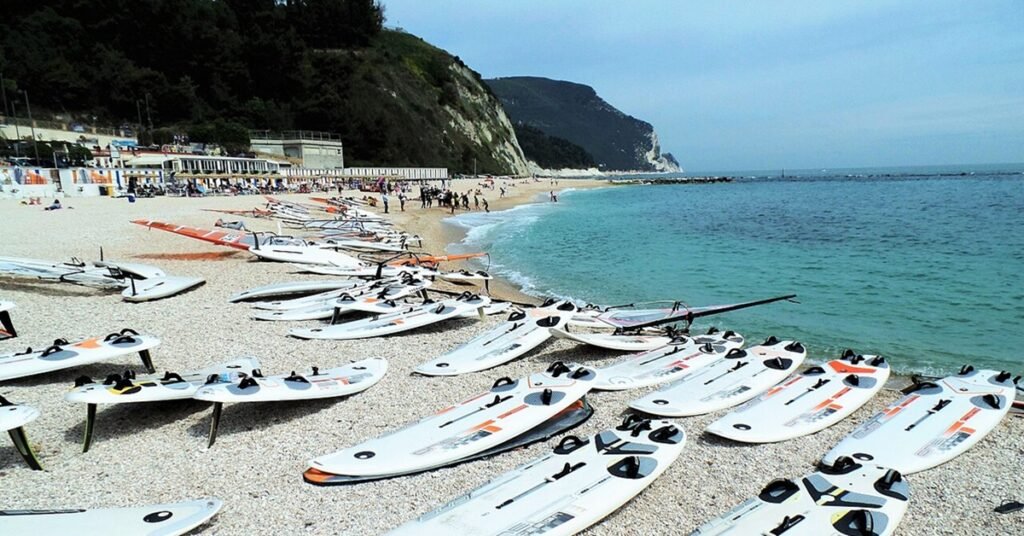
Perched high on the cliffs of the Adriatic Sea, Sirolo offers a dramatic contrast to the flat, sandy beaches found elsewhere on Italy’s east coast. It is the heart of the Conero Riviera, a unique stretch of coastline where Mount Conero crashes directly into the water, creating wild, white pebble coves protected by lush green forests.
Why it’s a gem
Sirolo manages to be both rugged and refined. During the day, it is a haven for nature lovers who hike down pine-scented trails to reach the water. At night, the medieval village center transforms into an elegant living room under the stars, with visitors enjoying aperitivo in the piazza that overlooks the sea.
Highlights
-
Spiaggia delle Due Sorelle (Beach of the Two Sisters): This is the icon of the region—a blindingly white beach with twin rock formations rising from the turquoise water. It is accessible only by sea. You can book a daily boat trip from the nearby port of Numana through the Traghettatori del Conero, or rent a small dinghy to explore the coast at your own pace.
-
Hiking Mount Conero: The Conero Regional Park offers numerous trails that wind through Mediterranean scrub and offer sweeping views of the coastline. It is a perfect break from sunbathing. You can find trail maps and park information on the official Riviera del Conero website.
-
The Evening Passeggiata: Unlike the frantic nightlife of other resort towns, evenings here are about the slow stroll. Grab a gelato and walk the viewing terrace in the town square for one of the best panoramic views in the Adriatic.
Best For: Nature lovers and those seeking the “undiscovered” Adriatic side of Italy.
Vasto & The Trabocchi Coast, Abruzzo
The Architect’s Dream
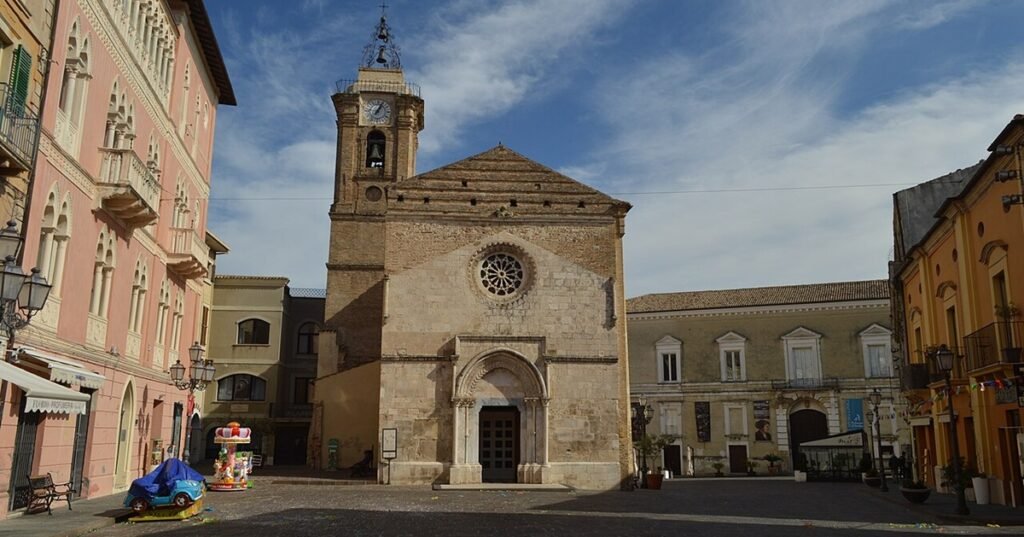
For a landscape you won’t find anywhere else in the world, head to Abruzzo. Vasto is the gateway to the “Costa dei Trabocchi,” a stretch of coastline named after the trabocchi—ancient wooden fishing machines built on stilts over the sea. While Vasto itself is a lively town, the surrounding coast offers pockets of solitude and wild beauty that make it a standout among quiet beach towns in Italy.
Why it’s a gem
This region offers a perfect mix of culture and nature. You have the historic charm of Vasto, with its medieval castle and sweeping views of the Golden Gulf (Golfo d’Oro), paired with a coastline that feels raw and untouched. It is a favorite destination for Italians but remains largely off the radar for international travelers.
Highlights
-
Dining on a Trabocco: Many of the ancient fishing platforms have been converted into seafood restaurants suspended directly over the water. It is an unforgettable culinary experience where you dine to the sound of waves crashing beneath you. You can learn more about these unique structures on the official Abruzzo Tourism website.
-
Punta Aderci Nature Reserve: Just north of Vasto lies one of the most beautiful natural areas in the Adriatic. Punta Aderci offers wild, pebbly beaches, dunes, and clear water perfect for snorkeling. It is free to visit and protected from development. Check the Punta Aderci Nature Reserve official site for maps and visitor guidelines.
-
The Historic Center: After a day at the beach, explore Vasto’s old town. Visit the Palazzo d’Avalos and enjoy the cool evening breeze from the Loggia Amblingh, a panoramic promenade that hugs the city walls.
Best For: Foodies, photographers, and anyone looking for a landscape that defies the typical “beach umbrella” stereotype.
Maratea, Basilicata
The Pearl of the Tyrrhenian
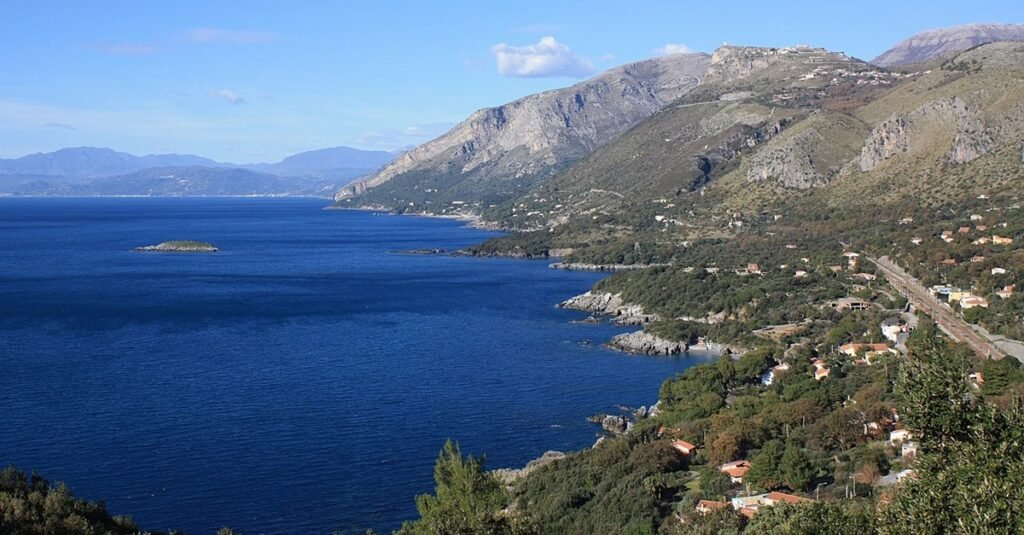
Often described as the “wilder Amalfi Coast,” Maratea offers the same dramatic scenery—mountains plunging straight into the deep blue sea—but without the commercialism or the traffic jams. Located in Basilicata, a region often overlooked by international tourists, Maratea is a collection of scattered hamlets that creates one of the most scenic quiet beach towns in Italy.
Why it’s a gem
Maratea is defined by its contrasts: jagged cliffs meet soft black sand beaches, and lush vegetation surrounds ancient stone architecture. It feels secretive and protected, a place where nature is the main attraction.
Highlights
-
The Christ of Maratea (Cristo Redentore): You can’t miss the massive white marble statue of Christ standing atop Monte San Biagio. Standing over 21 meters tall, it rivals Rio de Janeiro’s famous statue and offers absolutely jaw-dropping views of the coast below.
-
A Town of 44 Churches: The historic village, located high up the mountain for protection against pirates, is famous for having 44 churches squeezed into its narrow streets. It’s a delightful place to wander and get lost. You can find itineraries and cultural details on the Basilicata Turistica official website.
-
Black Sand Beaches: The coastline here is dotted with hidden coves. Cala Jannita, known as the “Black Beach” due to its dark volcanic sand, is a must-visit for a unique swimming experience.
Best For: Travelers who want dramatic mountain-meets-sea scenery and authentic Southern hospitality.
Book Attractions In Basilicata
Tropea, Calabria
The Coast of the Gods
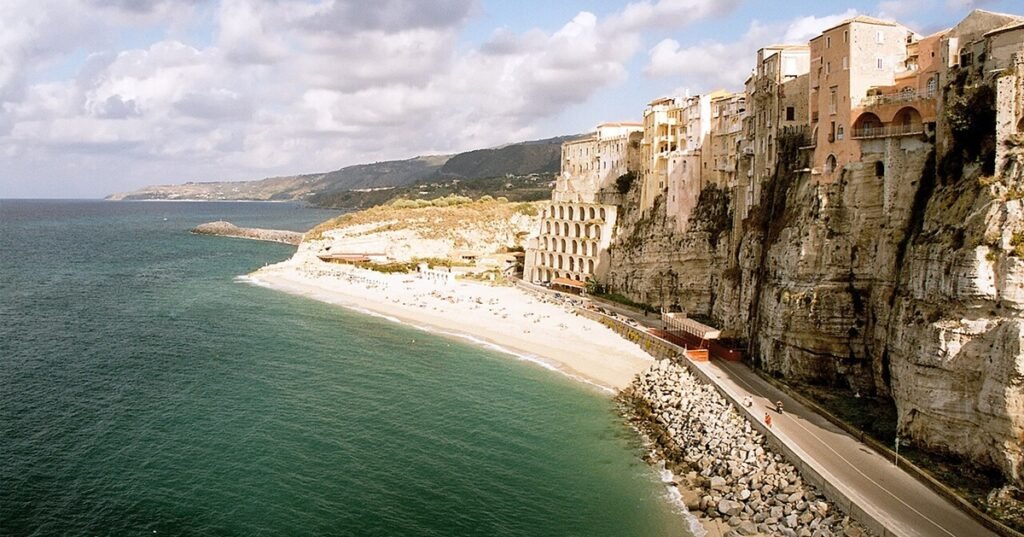
Tropea is arguably one of the most visually stunning towns in the entire Mediterranean. Located on the “Coast of the Gods” (Costa degli Dei), the town is built right to the edge of a sheer cliff that drops vertically into the sea. While it is a beloved summer destination for Italians, it remains a surprisingly “hidden” gem for international travelers compared to the northern rivieras, fitting the bill for those seeking distinct and quiet beach towns in Italy outside of peak August.
Why it’s a gem
The water here is the star attraction—it is incredibly clear, shimmering with shades of turquoise and deep blue that rival the Caribbean. The old town is a labyrinth of narrow lanes that suddenly open up to balconies offering vertigo-inducing views of the beach below.
Highlights
-
Santa Maria dell’Isola: This medieval monastic sanctuary sits in isolation on a rocky promontory jutting out into the sea. It is the symbol of Tropea. After a climb up the winding steps, you are rewarded with a garden that offers commanding views of the coastline. You can find visiting hours and details on the official Calabria Tourism page for the Sanctuary.
-
The “Pearl of Calabria”: The beaches right beneath the town, such as Rotonda Beach, are spectacular. The sand is white and coarse, which keeps the water crystal clear even when there are swimmers. You can explore more about the local beaches on the official Tropea Tourism website.
-
Cipolla Rossa (Red Onion): Tropea is famous worldwide for its sweet red onions. They are so sweet that locals even make gelato out of them! You will find braids of these red onions hanging everywhere in the town’s alleys. Look for the IGP (Protected Geographical Indication) label to ensure you are tasting the real deal; you can learn about their production at the Consorzio Cipolla Rossa di Tropea IGP official site.
Best For: Swimmers, sun-worshippers, and foodies seeking bold flavors and the clearest water in Italy.
Salina, Aeolian Islands (Sicily)
The Green Island Escape
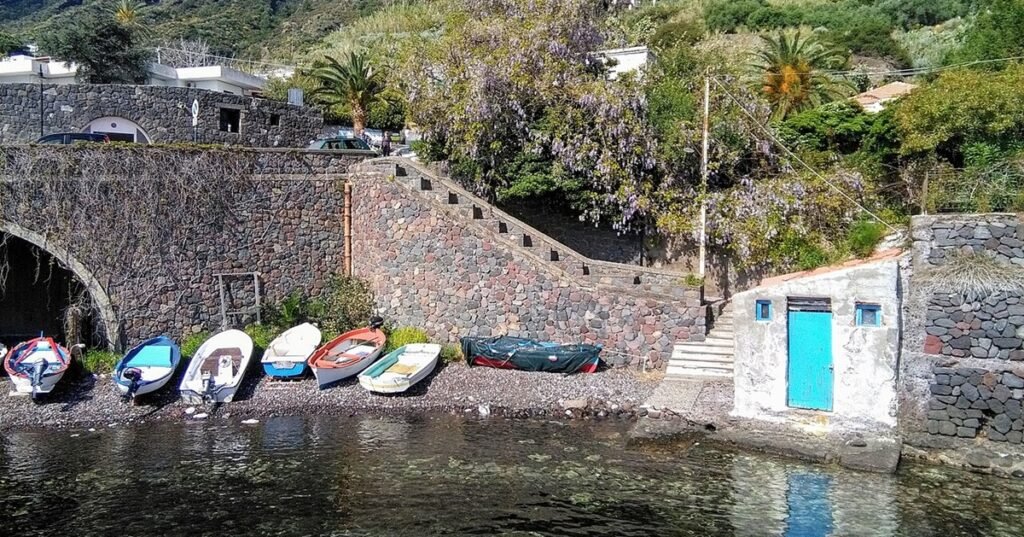
If you are looking for an island that feels like a secret garden floating in the sea, Salina is the place. While its neighbor Panarea attracts the jet-set crowd and Lipari handles the cruise ships, Salina remains one of the most serene and quiet beach towns in Italy. Known as the “Green Island” because of its twin volcanic peaks covered in lush ferns and vineyards, it offers a level of tranquility that is hard to find elsewhere in the Mediterranean.
Why it’s a gem
Salina is famous for being the filming location of the beloved movie Il Postino, and the island has retained that same poetic, timeless atmosphere. It is not about glitz here; it is about slow food, nature, and silence.
Highlights
-
Malvasia Wine: Salina is the home of Malvasia delle Lipari, a golden, honey-sweet wine often called the “nectar of the gods.” You can visit local vineyards for tastings to see why this wine is a key part of the island’s heritage. For more on the island’s culinary traditions, visit the official Visit Sicily Salina page.
-
Pollara Beach: This is arguably the most dramatic swimming spot in the Aeolian archipelago. It is a bay formed by an ancient, half-submerged volcanic crater. The sheer cliffs create a natural amphitheater around the water, making it a perfect spot to watch the sunset.
-
UNESCO World Heritage Nature: As part of the Aeolian Islands, Salina is a UNESCO World Heritage site recognized for its unique volcanic geology. Hiking the trails up Monte Fossa delle Felci offers panoramic views of the entire archipelago that you will never forget.
Best For: Wine lovers, cinema fans, and those seeking a remote island disconnect.
Book Attractions In Aeolian Islands
Practical Tips for Visiting Quiet Towns
Finding solitude on the Italian coast often requires a little more planning than simply booking a flight to Rome. Here is how to make your trip to these quiet beach towns in Italy smooth and stress-free.
Transportation (Trains vs. Cars)
While towns like Camogli and Vasto are well-connected by the national rail network, gems like Maratea or the wilds of Calabria are best explored with a vehicle.
-
-
By Train: Italy’s rail system is efficient and affordable. For schedules and tickets to towns like Camogli or Vasto, always book through the official Trenitalia website. Regional trains (Regionale) are slow but scenic, often hugging the coastline.
-
By Car: If you plan to explore the deep south or the hills of Le Marche, a rental car is essential. Be aware that Italian highways (Autostrade) are toll roads. You can calculate your route and toll costs in advance on the official Autostrade per l’Italia website.
-
Timing is Everything (Avoid Ferragosto)
The word “quiet” effectively disappears from the Italian vocabulary during the week of August 15th. This is Ferragosto, a national holiday where nearly the entire country heads to the beach. To find true peace in these hidden gems, aim for June or September. The weather is still warm enough for swimming, but the domestic crowds have vanished.
Language & Culture
In major tourist hubs like Florence, English is spoken everywhere. In smaller towns like Sperlonga or Salina, it is less common.
-
-
Download offline maps: Signal can be spotty in remote coves.
-
Learn the basics: A simple “Buongiorno” (Good morning) or “Posso ordinare?” (Can I order?) goes a long way.
-
Conclusion
The “real” Italy isn’t found in the souvenir shops of the Rialto Bridge or the crowded buses of the Amalfi Coast. It is found in the slow, sun-drenched moments—sipping a coffee in a piazza in Sirolo, watching the fishermen repair nets in Camogli, or floating in the crystal-clear waters of Tropea.
If you are willing to venture just a little off the beaten path, these quiet beach towns in Italy offer more than just a vacation; they offer a chance to reconnect with the authentic rhythm of Mediterranean life.
Frequently Asked Questions(FAQ’s)
Q. What is the absolute best time to visit these towns to avoid crowds?
A. The sweet spot is mid-May to mid-June or September. During these months, the weather is warm enough for swimming, but you avoid the massive influx of domestic tourists that occurs in July and August. Avoid the week of August 15th (Ferragosto) at all costs if you are looking for silence, as this is the peak national holiday.
Q. Do I need to rent a car to visit these hidden gems?
A. It depends on the specific town. Destinations like Camogli and Vasto are well-served by the main railway lines and are easy to navigate on foot. However, for island destinations like Salina or the rugged coast of Maratea, having a vehicle is highly recommended.
Q. Are these towns suitable for families with young children?
A. Yes, many of them are better for families than the famous cliffs of Amalfi. Sperlonga is an excellent choice for kids because it features soft, sandy beaches and shallow waters, unlike the deep, rocky drop-offs found in many other Italian coastal areas.
Q. Will I be able to get by with just English?
A. In these authentic quiet beach towns in Italy, English is not as widely spoken as it is in Rome or Venice. While hotel staff usually speak English, you might find that restaurant owners or shopkeepers speak only Italian. It is helpful to have Google Translate downloaded on your phone and to learn a few basic polite phrases like “per favore” (please) and “grazie” (thank you).
Q. Are these lesser-known towns cheaper than the famous spots?
A. generally, yes. You will find that accommodation, sunbed rentals, and dining in places like Tropea or Calabria cost significantly less than in Positano or Capri. You often get a more authentic experience for a fraction of the price.