Best Safari Adventures in Africa
It’s time for you to discover the best safari adventures in Africa, where breathtaking landscapes meet diverse wildlife. You’ll encounter the Big Five-lions, elephants, leopards, buffaloes, and rhinos-while immersing yourself in the rich cultures of local communities. Each safari offers unique experiences, from guided tours in national parks to thrilling night drives. Whether you prefer luxury lodges or rustic camps, your African adventure will be filled with unforgettable moments and life-changing encounters that can only be found on this majestic continent.
Key Takeaways:
- Explore diverse ecosystems, including savannas, wetlands, and forests, for unique wildlife encounters.
- Consider timing your trip during the Great Migration for an unforgettable spectacle of wildlife movement.
- Choose from various safari styles, such as self-drive, guided tours, or luxury lodges, to suit different preferences and budgets.
The Big Five: Iconic Safari Animals
The Big Five comprise some of Africa’s most iconic and sought-after wildlife, each representing a unique adventure. Encountering these magnificent creatures in their natural habitats offers unforgettable experiences for any traveler. From the majestic lion to the formidable elephant, these animals define the essence of safari adventures across the continent.
Lions
You’ll find lions known as the kings of the jungle, with their powerful roars resonating through the savannah. In prides led by a dominant male, these social cats exhibit fascinating behaviors, including cooperative hunting and nurturing young cubs, making them a thrilling sight on your safari.
Elephants
Elephants stand as the largest land animals, symbolizing wisdom and strength. Their complex social structures and deep familial bonds provide an emotional connection that you can observe during your safari. Watching a herd interact offers invaluable insight into their intelligent behaviors.
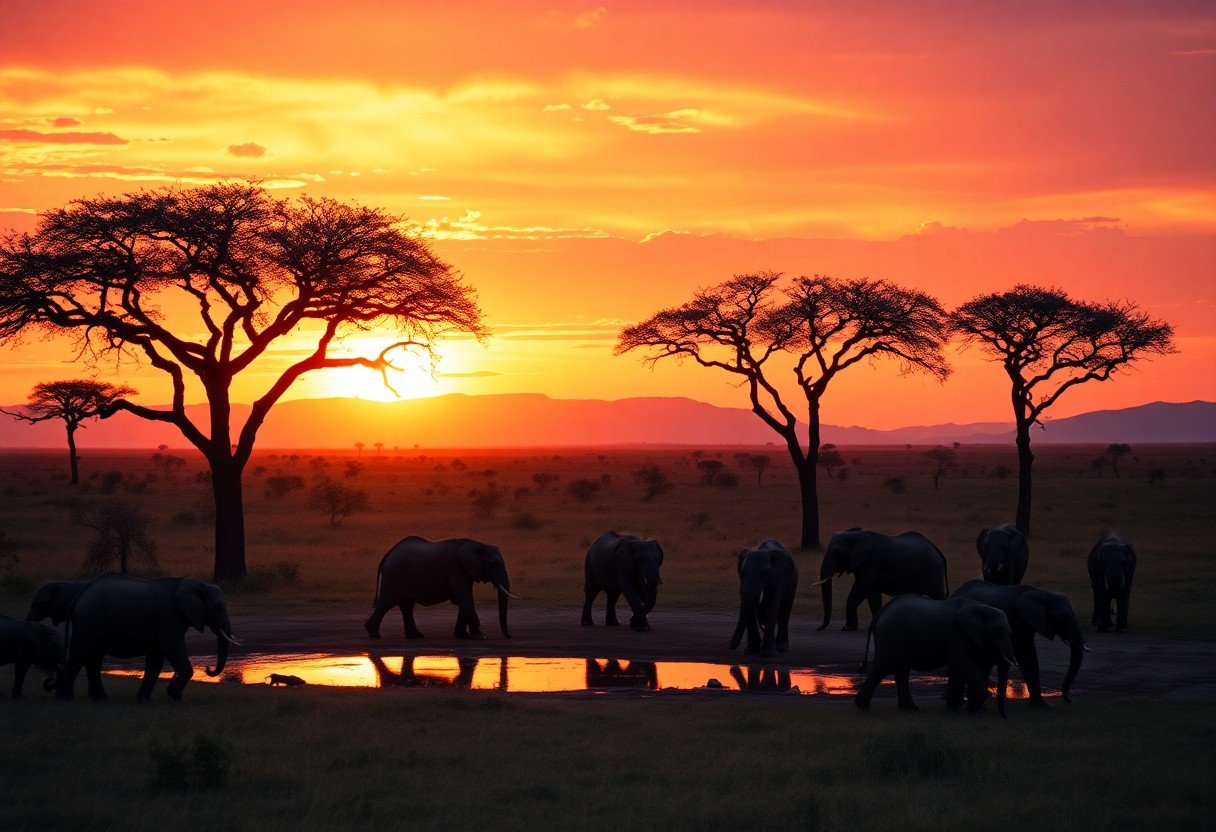
These gentle giants typically roam in matriarchal family groups, where the oldest female leads. You’ll witness their impressive features: the long trunks, large ears, and tusks. African elephants can weigh up to 14,000 pounds, highlighting their immense size. Encountering a herd at a watering hole or during migration presents one of the most awe-inspiring experiences on any safari.
Rhinos
Rhinos are among the most endangered of the Big Five, known for their distinct horns and thick skin. You may have the opportunity to spot both black and white rhinos, each playing a vital role in their ecosystem, emphasizing the urgency of their conservation.
These solitary creatures possess remarkable strength but are often misunderstood. While black rhinos are more aggressive, white rhinos tend to be more social. Poaching remains a significant threat, with the demand for rhino horn driving numbers down. Your sightings contribute to conservation efforts by raising awareness about their plight and the importance of protecting these magnificent animals.
Leopards
Leopards are elusive and solitary, often seen lounging in trees or stealthily stalking their prey. Their incredible adaptability and camouflage make spotting them a thrilling challenge, enhancing the excitement of your safari adventure.
Considered master hunters, leopards are known for their ability to climb and store kills high in the branches to evade scavengers. Their stunning rosettes and unique patterns enable them to blend seamlessly into their surroundings, making each sighting feel special. Observing a leopard at dawn or dusk, when they are most active, adds an extraordinary dimension to your wildlife experience.
Cape Buffalo
Cape buffalo are notorious for their unpredictable nature and formidable presence. You’ll quickly learn why they are sometimes called “black death” due to their ability to defend themselves fiercely when threatened. Their strong herd mentality creates a sense of safety, making them captivating to observe.
These animals are resilient and can thrive in diverse environments, often found in large groups. Despite their intimidating appearance, Cape buffalo are vital for maintaining ecological balance by grazing. Their interactions within the herd and the classic standoff with predators exemplify the wild spirit of the African savannah, guaranteeing an unforgettable safari experience.
Top Safari Destinations in Africa
When planning your unforgettable safari adventure, consider visiting some of Africa’s premier wildlife destinations that offer extraordinary experiences and stunning landscapes. Each location provides unique opportunities to witness the vibrant ecosystems and rich biodiversity that make African safaris unforgettable.
Serengeti National Park, Tanzania
Serengeti National Park is renowned for its vast savannahs and remarkable annual migration of over 1.5 million wildebeest. This UNESCO World Heritage site features diverse wildlife, including large herds of elephants, lions, and cheetahs, creating unparalleled wildlife encounters throughout the year.
Maasai Mara National Reserve, Kenya
Your journey to Maasai Mara National Reserve promises exceptional wildlife viewing, particularly during the Great Migration when thousands of wildebeests traverse the plains. Witnessing predators in action against the backdrop of stunning landscapes is an experience you won’t forget.
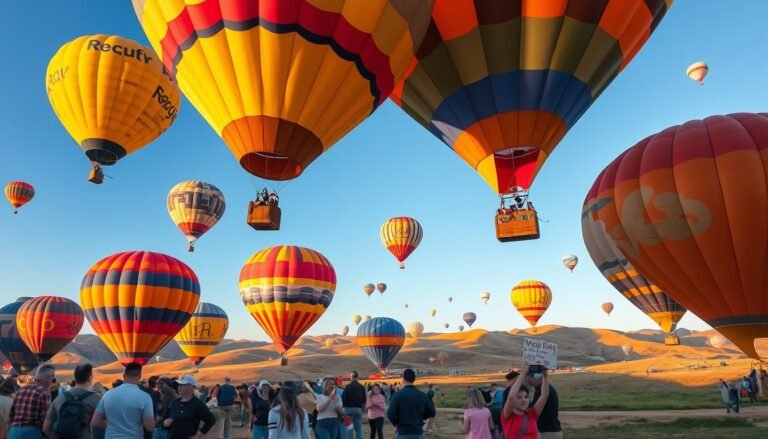
In the Maasai Mara, you can expect to see the Big Five in their natural habitat, particularly around the rivers where hippos and crocodiles thrive. The reserve is also home to the remarkable Maasai people, where you can engage in cultural experiences that complement your safari adventure. Hot air balloon rides at dawn provide a breathtaking aerial perspective of the wildlife below, further enhancing your adventure.
Kruger National Park, South Africa
Kruger National Park is one of Africa’s largest game reserves, stretching over 2 million hectares. You can take self-drive safaris or guided tours to see a wide variety of wildlife, including rhinos, leopards, and numerous bird species, making it a premier destination for wildlife enthusiasts.
Known for its excellent infrastructure, Kruger offers well-maintained roads, numerous rest camps, and diverse habitats, from savannahs to dense bush. This park also boasts an extensive network of trails, giving you the chance to explore on foot, adding a thrilling aspect to your safari experience. With a range of accommodations from luxury lodges to campsites, your stay can be tailored to your preferences.
Chobe National Park, Botswana
Chobe National Park is famous for its large elephant population, housing more than 120,000 elephants. The park’s diverse ecosystems include lush floodplains and dense woodlands, offering opportunities to spot a wide variety of wildlife, including lions and leopards.
Chobe’s unique feature is the Chobe River, where you can experience wildlife from a different perspective by taking a boat cruise. This area showcases breathtaking sunsets, with elephants often seen drinking at the water’s edge. With exceptional birdwatching opportunities and the chance to see elephants bathing, Chobe is a must-visit destination for wildlife lovers and photographers alike.
Different Types of Safaris
Exploring Africa’s wildlife can be done through various types of safaris, each offering distinct experiences. You can choose from traditional game drives, immersive walking safaris, serene boat safaris, or breathtaking hot air balloon safaris. Each type highlights different aspects of the African wilderness, showcasing its diverse ecosystems and inhabitants. Thou should select one that aligns with your adventurous spirit.
| Game Drives | Classic guided tours in safari vehicles for wildlife spotting. |
| Walking Safaris | Intimate experiences led by expert guides on foot. |
| Boat Safaris | Unique views of wildlife along rivers and lakes. |
| Hot Air Balloon Safaris | Stunning aerial perspectives of the landscape and wildlife. |
| Luxury Safaris | High-end experiences with premium accommodations and amenities. |
Game Drives
On your next safari, game drives offer an exhilarating way to encounter wildlife in their natural habitats. You’ll traverse vast landscapes in comfortable 4×4 vehicles, allowing for optimal visibility of the Big Five and other incredible species. With skilled guides, you receive real-time insight into animal behavior and ecology, enhancing your understanding and appreciation of Africa’s rich biodiversity.
Walking Safaris
Walking safaris present an intimate approach to wildlife observation, enabling you to immerse yourself in the environment. Under the guidance of expert rangers, you’ll trek through diverse terrains, gaining a deeper connection with nature while observing smaller species and tracks often overlooked during vehicle safaris. Thou will discover the ecosystem on foot, absorbing sounds, smells, and textures that enhance your experience.
During walking safaris, you engage with the wilderness on a profound level, learning about the flora, fauna, and indigenous cultures. This immersive experience fosters a sense of adventure and discovery as you navigate through breathtaking landscapes, witnessing the subtleties of nature up close. The precision of steps you take evokes a personal connection that vehicle rides may not provide.
Boat Safaris
Boat safaris allow you to experience the beauty of Africa’s waterways while observing wildlife in a unique manner. Gliding along rivers and lakes, you may encounter hippos, elephants, and various bird species from a perspective that highlights their natural behaviors. Expert guides lead the journey, ensuring you stay informed and safe, all while enjoying the serenity of the water.
These excursions often take place in relaxed settings where you can enjoy the tranquility of the African landscape while watching the rich tapestry of life unfold around you. Boat safaris provide a different rhythm to wildlife watching, allowing you to witness animals as they drink or swim, often approaching more closely than on land.
Hot Air Balloon Safaris
Hot air balloon safaris offer an unparalleled view of the stunning African savannah. As you rise with the sun, you’ll glide over vast landscapes, spotting wildlife below and enjoying breathtaking panoramas. The experience is both serene and exhilarating, providing a unique perspective on the ecosystem from thousands of feet above the ground.
Typically culminating with a celebratory breakfast upon landing, hot air balloon safaris combine adventure with relaxation. Floating gracefully over the plains allows you to appreciate the diversity of Africa’s geography while having the chance for exceptional photographic opportunities. As the balloon captures the morning light, you’ll gain an unforgettable memory of your time in the wild.
Preparing for Your Safari Adventure
Your safari adventure will be a memorable experience, but proper preparation is key to maximizing your enjoyment and safety. Start with researching your chosen destination, as each region offers unique wildlife, terrains, and climates. Familiarize yourself with local customs and regulations and consider booking guided tours for deeper insights. A well-thought-out itinerary combined with appropriate gear ensures you’re ready for whatever the wilderness throws at you.
Best Time to Go
The optimal time for a safari varies by region, but generally, the dry season, from June to October, is recommended. During this period, wildlife congregates around waterholes, enhancing your chances of spotting animals. However, shoulder seasons can provide fewer crowds and lush landscapes, making every moment picturesque and unique.
Essential Packing Tips
Packing smartly is vital to your safari experience. Bring lightweight, breathable clothes in neutral colors to blend in with your surroundings. Don’t forget importants like a good pair of binoculars, a sunscreen, and a first-aid kit. Your gear should include a sturdy backpack, insect repellent, and a reusable water bottle. Perceiving what nature may throw at you will help you enjoy your adventure more fully.
- lightweight, breathable clothes
- neutral colors
- good pair of binoculars
- sunscreen
- first-aid kit
- insect repellent
Alongside the basics, additional items can significantly enhance your safari. A camera with a zoom lens is important for capturing wildlife moments. Take along lightweight rain gear and a sleeping bag, especially if your plans include camping under the stars. Ensure you have a power bank or solar charger for your devices, as electricity may be limited. Perceiving these factors will enhance your experience in the wild.
Health and Safety Considerations
Your health and safety during a safari must be prioritized. Consult with your doctor about recommended vaccinations and consider anti-malarial precautions depending on your destination. Keeping a basic understanding of local wildlife dangers will also contribute to your safety, as will staying updated on any travel advisories.
In addition to vaccinations, maintain hydration and carry snacks during excursions. It’s wise to limit close encounters with wildlife, understanding that even seemingly friendly animals can be unpredictable. Utilize your guides to stay informed about local wildlife behaviors and safety protocols. Being aware of your surroundings and having a plan will ensure a safer, more enjoyable adventure.
Cultural Experiences on Safari
Embarking on a safari offers not just wildlife encounters but also rich cultural experiences that deepen your understanding of Africa. Through immersive activities, you can connect with indigenous communities, partake in traditional rituals, and appreciate local art, immersing yourself in the diverse cultures that thrive alongside the continent’s stunning landscapes.
Interactions with Local Communities
Engaging with local communities provides an authentic glimpse into their daily lives and customs. You may participate in village tours, share meals featuring local cuisine, or learn traditional crafts from skilled artisans. Such interactions foster mutual respect and understanding while offering a personal connection to the people inhabiting the regions you explore.
Learning about Conservation Efforts
Understanding conservation efforts is paramount for any safari enthusiast. You’ll gain insights into the challenges faced by wildlife and local populations, often participating in initiatives aimed at preserving the delicate balance of these ecosystems.
Conservation efforts are critical as they protect not only wildlife but also the livelihoods of local communities. You might visit projects that focus on anti-poaching measures or community-based conservation, where local people are involved in protecting the environment while benefiting economically. For example, the Namibia Community-Based Natural Resource Management program has shown a remarkable increase in wildlife populations while empowering locals. Engaging in these conversations and actions enhances your safari experience, making you an informed advocate for sustainability.
Eco-Friendly Safari Options
Incorporating eco-friendly practices into your safari journey helps protect the environments and communities you visit. Many tour operators now prioritize conservation and sustainability, offering adventures that minimize environmental impact while maximizing your experience of Africa’s breathtaking landscapes and wildlife. Opting for these experiences allows you to enjoy the thrill of the safari while contributing positively to the preservation of the natural world.
Sustainable Lodges and Camps
Staying at sustainable lodges and camps not only enhances your safari experience but also supports local conservation efforts. These accommodations often utilize renewable energy, implement water conservation strategies, and engage in community development projects. Many are built from eco-friendly materials, allowing you to enjoy luxurious amenities while ensuring that your footprint remains light on the Earth.
Responsible Wildlife Tourism
You play a key role in promoting responsible wildlife tourism by choosing excursions that prioritize the well-being of animals and their habitats. Selecting operators that adhere to ethical guidelines helps ensure that your safari experience protects wildlife and fosters conservation efforts. Engaging with local communities can lead to initiatives that benefit both residents and the ecosystems they depend on.
Responsible wildlife tourism emphasizes ethical interaction with animals, avoiding practices that exploit wildlife for entertainment or profit. You can support initiatives that focus on education, habitat preservation, and community involvement. Examples include guided walks led by local rangers or participation in community-led conservation projects. This type of tourism not only enriches your safari experience but also contributes to a sustainable future for both wildlife and local populations, allowing you to enjoy thrilling encounters with nature while promoting its preservation.
Conclusion
Upon reflecting on your safari adventures, it’s evident that Africa offers unparalleled experiences that cater to diverse interests and preferences. Whether you’re drawn to the majestic wildlife, vibrant cultures, or breathtaking landscapes, each adventure presents a unique opportunity to connect with nature and discover new perspectives. By choosing the right safari, you not only engage with the wild but also create lasting memories that enrich your understanding of this incredible continent. Ensure your journey aligns with your interests to unlock the full potential of your African safari experience.
FAQ
Q: What are the best times of year to go on a safari in Africa?
A: The best times for a safari vary depending on the region. Generally, the dry season, from June to October, is ideal for wildlife viewing as animals gather around water sources. The Great Migration, occurring from July to November, attracts many visitors to the Serengeti and Maasai Mara.
Q: What should I pack for a safari adventure?
A: Pack lightweight, breathable clothing in neutral colors, good walking shoes, a sun hat, sunglasses, insect repellent, and sunscreen. Also, include a good camera, binoculars, and any necessary medications. It is wise to have a reusable water bottle to stay hydrated.
Q: Are safaris safe for solo travelers?
A: Yes, many safaris are safe for solo travelers, especially those operated by reputable companies. Joining group safaris can also enhance safety and provide opportunities to meet fellow travelers. Always follow guidelines provided by safari guides.
Q: What types of wildlife can I expect to see on a safari?
A: Wildlife sightings vary by region but commonly include the Big Five: lions, leopards, elephants, rhinos, and buffalo. Other animals like giraffes, zebras, cheetahs, and various bird species can also be seen, depending on the specific safari destination.
Q: Can I go on a safari while supporting conservation efforts?
A: Yes, many safari lodges and tour operators actively engage in conservation efforts. Choosing eco-friendly lodges, participating in community-based tourism, and prioritizing companies that promote wildlife preservation contributes to sustainable tourism and local economies.