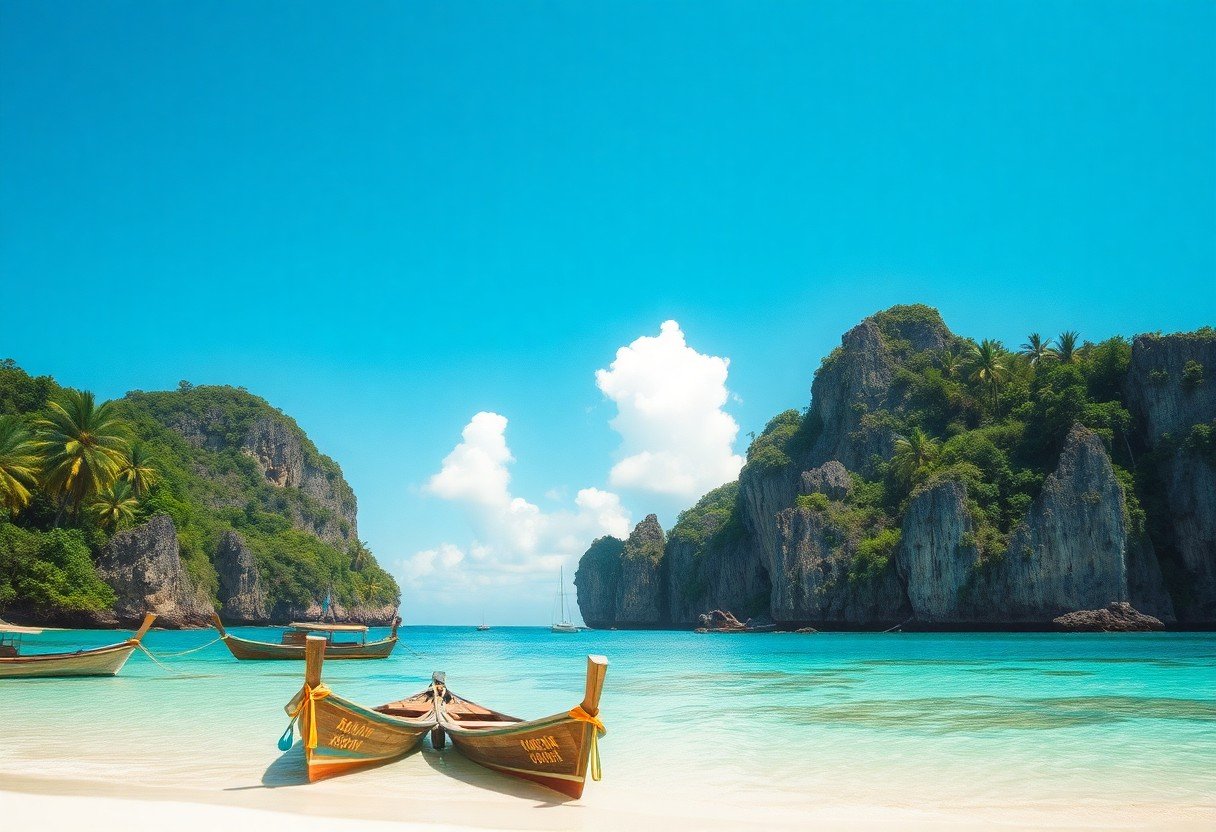
Island Hopping in the Philippines
Island hopping in the Philippines offers you a unique chance to explore stunning beaches, vibrant marine life, and rich cultural experiences. You’ll encounter breathtaking landscapes on gorgeous islands like Palawan and Boracay, while enjoying activities like snorkeling and diving in coral-rich waters. Be mindful of the changing weather conditions and plan your trips around local advisories for safety. With over 7,000 islands to discover, your adventure will be filled with unforgettable memories that showcase the stunning beauty and diversity of this tropical paradise.
Key Takeaways:
- Island hopping offers access to diverse landscapes, vibrant marine life, and unique cultures across various islands.
- Popular destinations include El Nido, Coron, and Siargao, each providing distinct experiences from lagoons to surfing spots.
- Tour packages often include boat rentals, snorkeling gear, and meals, making it convenient for travelers.
Overview of Island Hopping in the Philippines
Exploring the enchanting archipelago of the Philippines through island hopping reveals a tapestry of breathtaking landscapes and rich cultures. With over 7,000 islands, each offering its unique charm, you can navigate through pristine beaches, lush forests, and vibrant marine life. This activity not only allows for leisure but also creates an opportunity to immerse yourself in the local lifestyle, making every stop a memorable experience.
What is Island Hopping in the Philippines?
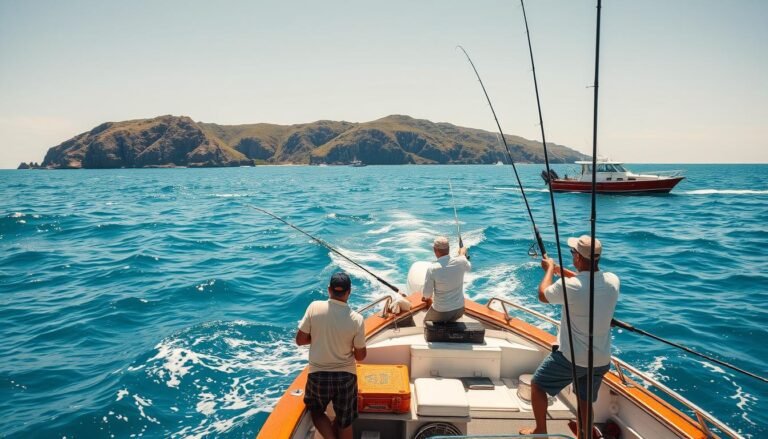
Island hopping involves traveling between various islands, typically via boat, to explore their distinctive features and attractions. You’ll uncover hidden coves, indulge in local delicacies, and engage with diverse communities. This type of exploration often includes activities like snorkeling, diving, and beach lounging, adding layers to your adventure.
Importance of Island Hopping in the Philippines
Island hopping plays a vital role in the Philippines’ tourism and local economies. It fosters connections between islands, allowing for the exchange of culture and resources. Additionally, regions like Palawan and Boracay rely on this activity to attract visitors, thereby supporting local businesses and preserving natural attractions.
Tourism rooted in island hopping has significantly boosted communities across the Philippines, contributing approximately 11% of the country’s GDP. Popular routes, such as the Honda Bay and El Nido tours, draw thousands annually, creating jobs for local guides, boat operators, and artisans. This economic boost not only enhances livelihoods but also spurs environmental awareness, as communities strive to protect their beautiful islands and marine ecosystems, ensuring they remain vibrant destinations for future generations.
Popular Island Hopping in the Philippines Destinations
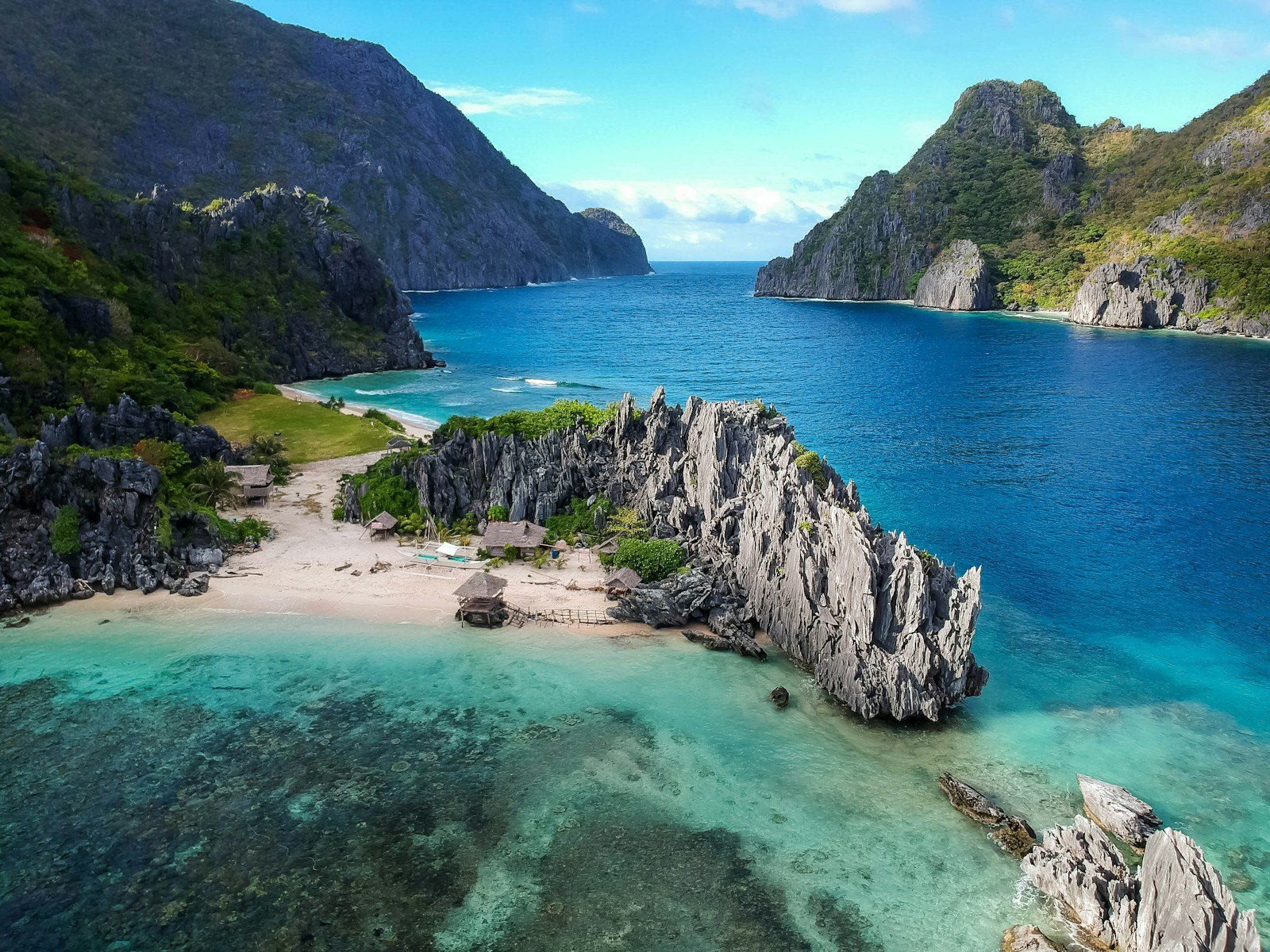
Palawan
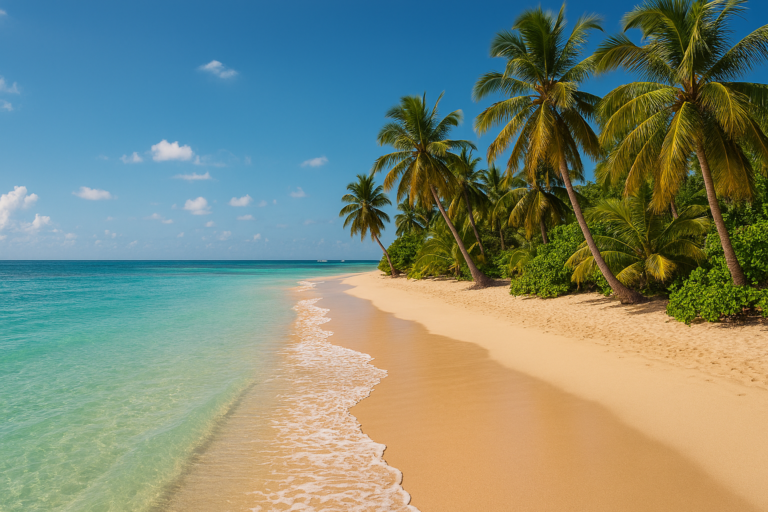
Palawan stands out as a premier island-hopping destination, renowned for its stunning limestone cliffs, vibrant coral reefs, and crystal-clear waters. You’ll find the iconic El Nido and Coron, both offering exceptional snorkeling and diving experiences among a wealth of marine life. Make sure to explore hidden lagoons and pristine beaches that make this destination unforgettable.
Siargao
Siargao is celebrated for its laid-back atmosphere and world-class surf spots, particularly Cloud 9. With its beautiful rock pools, palm-fringed beaches, and lush lagoons, this island offers not just surfing but also fantastic island-hopping tours to nearby islets like Naked Island and Daku Island, each showcasing unique landscapes.
As you navigate the waters around Siargao, you’ll discover an array of stunning vistas and hidden gems. Take a local boat to Sugba Lagoon, where you can swim in turquoise waters, or enjoy a beach barbecue on one of the remote islands. The island’s charm lies in its untouched beauty and vibrant local culture, making it a must-visit for adventurous travelers.
Cebu
Cebu is a diverse island that perfectly blends stunning natural wonders with rich history and culture. From captivating waterfalls like Kawasan Falls to the vibrant marine life surrounding Moalboal, island hopping here opens up a myriad of experiences. Don’t miss the chance to snorkel with sardine runs or enjoy the pristine beaches of Malapascua Island.
The island’s accessibility makes it particularly popular among tourists, with numerous boat services catering to island-hopping tours. You’ll encounter unique attractions such as the famous Kawasan Falls, where you can enjoy canyoneering, and the diverse wildlife around Pescador Island, making for an exhilarating day on the water. With a blend of leisure and adventure, Cebu ensures every island-hopping experience is unforgettable.
Essential Tips for Island Hopping in the Philippines
To make the most of your island hopping adventure, consider these crucial tips: plan your itinerary carefully, ensuring to include popular islands and hidden gems; always check weather conditions to avoid unpleasant surprises; and book your transportation in advance for a smoother experience. It’s also wise to pack light to ensure easy movement between islands. This will enhance your overall experience.
Best Time to Go
The ideal time for island hopping varies slightly by region, but generally, the dry season from November to April offers the best weather conditions. During these months, you can enjoy clear skies and calm seas, making your travel more enjoyable. Peak tourist season usually occurs around holidays, so planning your trip during shoulder months may provide a more peaceful experience.
What to Bring Island Hopping in the Philippines
Your packing list can make or break your island hopping experience. Essentials include sunscreen, a wide-brimmed hat, a waterproof bag, and adequate snacks. Additionally, bring a swimsuit and flip-flops to stay comfortable. If you’re planning to snorkel or dive, don’t forget to pack your own gear for an optimal experience.
When packing for island hopping, versatility is key. Lightweight clothing, such as quick-dry shirts and active shorts, will keep you comfortable and ready for any activity. A reusable water bottle will help you stay hydrated as you explore the islands, and packing a waterproof phone case can protect your devices during water activities. Consider bringing a lightweight backpack for day trips and a small first-aid kit for any emergencies.
Island Hopping in the Philippines Safety Considerations
Your safety should always be a priority when island hopping. Always choose reputable tour operators and be cautious of unfamiliar areas. Make sure you have a reliable life jacket when on a boat and inform someone of your plans for the day. Ensure you have proper insurance coverage that includes water activities.
Being aware of your surroundings is crucial while exploring the islands. Keep an eye on personal belongings, especially at crowded locations or beaches. It’s also wise to be cautious of local wildlife, including marine creatures. Always ask guides for recommendations regarding safe swimming spots and current conditions. Preparing adequately will help you enjoy a worry-free adventure while maximizing the beauty of the islands.
Cultural Experiences Island Hopping in the Philippines
Your journey through the Philippines’ islands is enriched not only by stunning landscapes but also by immersive cultural experiences. From vibrant villages to local traditions, each island offers a unique glimpse into the diverse Filipino heritage. Engaging with locals, you can partake in age-old customs and witness the warm hospitality that characterizes the islands, making your visit not just a visual feast but also a deep cultural exploration.
Local Cuisine
Savor the flavors of the Philippines through its diverse local cuisine, heavily influenced by the rich cultural tapestry of the islands. Dishes like adobo, sinigang, and lechon reflect a mix of indigenous, Spanish, and Asian culinary traditions. Street food, such as balut and isaw, provides an authentic taste of local life, while fresh seafood and tropical fruits add to the islands’ appeal.
Festivals and Events
Participating in local festivals and events immerses you in the vibrant Filipino culture. Each island boasts its own unique celebration, from the energetic Ati-Atihan festival in Aklan to the colorful Sinulog in Cebu, where you can witness lively parades, traditional dances, and captivating music that showcase the islands’ spirited community and rich history.
Festivals often coincide with religious or cultural significance, designed to honor saints or harvests. For instance, the Ati-Atihan festival honors the Santo Niño, while the Pahiyas Festival in Quezon celebrates the rice harvest with stunning displays of local produce. Engaging with these festivities offers invaluable insights into Filipino traditions, allowing you to connect with the islands on a deeper level. Expect to see local artisans, indulge in traditional foods, and join in communal activities that foster camaraderie and joy among participants, making your island experience unforgettable.
Environmental Considerations While Island Hopping in the Philippines
Island hopping in the Philippines brings not only breathtaking experiences but also significant environmental responsibilities. The delicate ecosystems you encounter can be disrupted by excessive tourism, making it vital to prioritize sustainable practices. Engaging in eco-friendly activities and promoting conservation ensures that the beauty of these islands remains preserved for future generations.
Responsible Tourism
Practicing responsible tourism helps protect the natural and cultural resources of the islands you visit. You should opt for local guides, support indigenous communities, and minimize your waste. Simple actions like using refillable water bottles and avoiding single-use plastics can significantly lessen your ecological footprint while exploring these pristine environments.
Conservation Efforts
Active conservation efforts are underway to protect the diverse marine and terrestrial ecosystems in the Philippines. You’ll find various organizations collaborating with local communities to restore coral reefs and protect endangered species. Your engagement, such as joining beach clean-ups or participating in educational programs, contributes to these efforts significantly.
Several conservation programs focus on marine biodiversity, such as the Coral Triangle Initiative, which involves multiple nations in safeguarding critical coral reef habitats. Community-led projects on islands like Siargao aim to rehabilitate mangroves and establish marine protected areas. These initiatives not only enhance the resilience of marine ecosystems but also provide alternative livelihoods for locals, showcasing how your involvement can create a positive impact on both the environment and the community. Each small action you take can contribute to the broader goal of sustainable tourism in this rich archipelago.
Planning Your Island Hopping in the Philippines Adventure
Your journey begins with meticulous planning, ensuring you maximize your island hopping experience. Identify your interests, whether it’s snorkeling, hiking, or cultural exploration, and select islands that cater to those. It’s crucial to check weather conditions during your desired travel period, as the dry season typically runs from November to May, providing the best visibility and calm seas. Keep in mind that booking in advance, especially during peak seasons, can help secure accommodations and activities that suit your preferences.
Itineraries and Travel Packages
Many travel agencies offer tailored itineraries and all-inclusive travel packages that streamline your adventure. These packages often include accommodation, meals, and guided tours, allowing you to explore without the hassle of arranging logistics. Well-planned itineraries can include a mix of popular spots and hidden gems, ensuring you experience the full diversity of the islands. Consider specific durations that fit your schedule, such as a week-long tour covering several islands or a quick weekend getaway focused on fewer locations.
Transportation Options
Getting around the Philippines requires a clear understanding of the various transportation options available to you. Speedboats, ferries, and chartered boats connect many islands, while domestic flights can cover larger distances efficiently. For local travel within islands, options such as tricycles, jeepneys, and taxis provide flexible transportation to get you where you need to go. Prices can vary significantly, so it’s wise to compare before choosing your mode of transport.
For island hopping, speedboats are often the most efficient choice, allowing you to navigate between islands swiftly. Ferries also provide a scenic option, especially for shorter distances, with some routes offering stunning views of the coastline. You can expect to pay around ₱500 to ₱1,500 for boat rides, depending on the distance and type of vessel. Domestic flights may be necessary for longer hauls between major destinations like Cebu and Palawan, generally costing between ₱2,000 to ₱5,000. Always check schedules in advance, as ferry services can fluctuate, especially during peak seasons or bad weather, influencing your overall travel plans.
Summing up
With these considerations, you can truly maximize your island hopping experience in the Philippines. Planning your itinerary around the archipelago’s rich culture, stunning landscapes, and diverse marine life will ensure unforgettable adventures. Tailor your journey to include popular destinations, hidden gems, and local interactions, allowing you to engage more deeply with the beauty of each island. Equipped with this knowledge, you’re ready to explore the breathtaking islands at your own pace, making memories that will last a lifetime.
FAQ
Q: What is island hopping in the Philippines?
A: Island hopping in the Philippines refers to the activity of visiting multiple islands in a short period, typically by boat. Tourists initiate on day trips or multi-day excursions to explore the diverse landscapes, beaches, and cultures of various islands.
Q: Which islands are popular for island hopping in the Philippines?
A: Major destinations include El Nido and Coron in Palawan, the Visayas region with islands like Cebu, Bohol, and Siquijor, as well as the Caramoan Peninsula. Each location offers unique experiences and stunning scenery.
Q: What should I pack for an island hopping trip?
A: Essentials include swimwear, sunscreen, hats, water-resistant bags, snorkeling gear, basic first-aid supplies, and casual wear. Snacks and a reusable water bottle are recommended for day trips.
Q: How much does island hopping cost in the Philippines?
A: Prices vary based on the location and type of tour. Group or shared boat tours typically range from $20 to $50 per person, while private charters can cost $100 or more, depending on the destination and duration.
Q: Is island hopping suitable for families with children?
A: Yes, many island hopping tours are family-friendly. However, it’s important to select tours that cater to children and ensure safety measures are in place, like life jackets and rest stops for younger travelers.