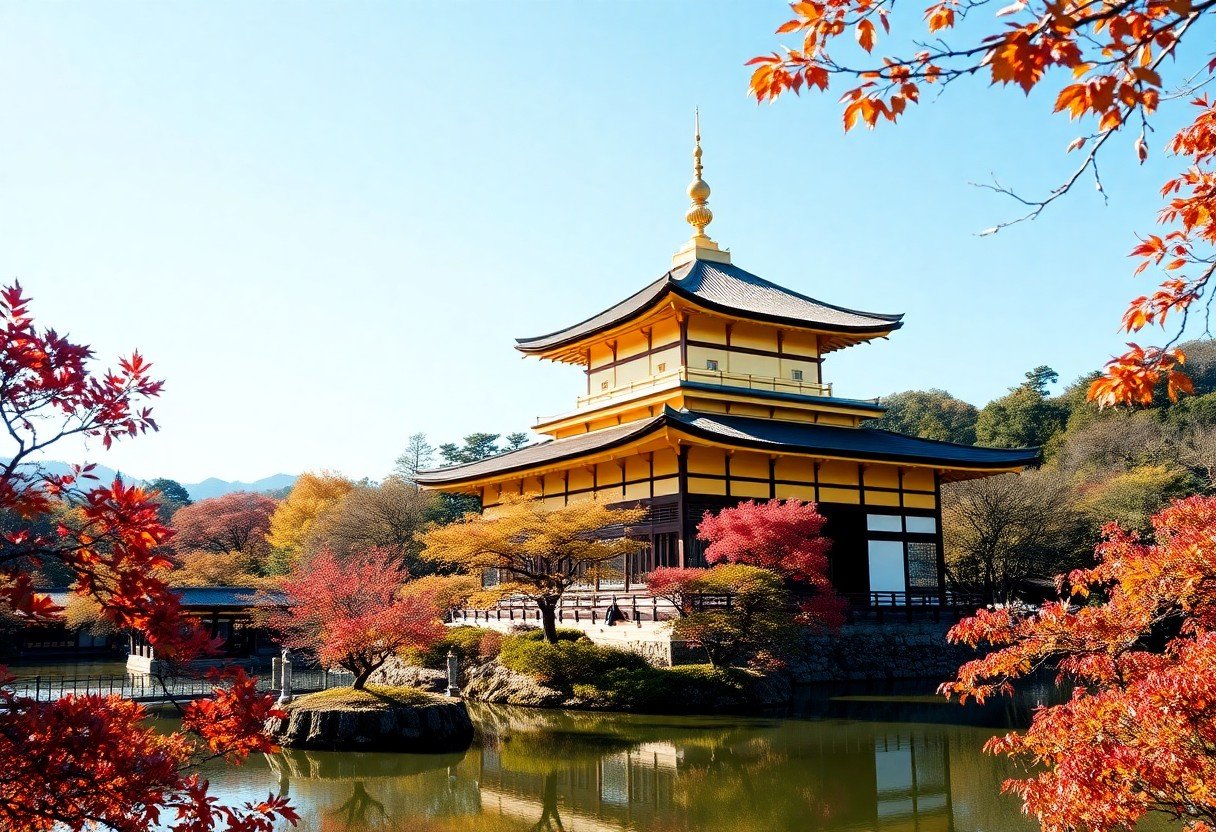
Unveiling the Cultural Treasures of Kyoto: A Journey Through Time
Cultural heritage thrives in Kyoto, where you can discover ancient temples, stunning gardens, and traditional tea ceremonies. As you explore this historic city, immerse yourself in its rich history and artistic achievements that define its unique identity. Your journey will take you through revered sites like the Golden Pavilion and the enchanting Arashiyama Bamboo Grove, where the beauty of nature intertwines with time-honored customs, offering a profound connection to Japan’s past and present.
Key Takeaways:
- Kyoto is home to 17 UNESCO World Heritage Sites, showcasing its significant historical and cultural value.
- The city is renowned for its traditional wooden architecture, including ancient temples and shrines that reflect Japan’s artistic heritage.
- Annual festivals, such as Gion Matsuri, highlight Kyoto’s vibrant culture and community involvement through rituals and celebrations.
Historical Significance
The historical significance of Kyoto is profound, as it served as Japan’s capital for over a millennium, from 794 to 1868. This period solidified its status as the heart of Japanese culture, where traditional arts such as tea ceremony, calligraphy, and Noh theater flourished. Each temple and shrine you visit reflects the city’s resilience and adaptation through various eras, showcasing a rich tapestry of history that has shaped modern Japanese identity.
Ancient Capitals and Their Legacy
As one of Japan’s ancient capitals, Kyoto represents a pivotal era that established political, cultural, and social norms still influential today. The Heian period (794-1185) particularly highlights this legacy, nurturing a refined court culture that advanced literature, art, and architecture. You’ll find remnants of this sophistication in the city’s elegant gardens and structures, echoing the continuity of artistic expression throughout Japan’s history.
The Role of Religion in Cultural Development
Religion played a significant role in shaping Kyoto’s cultural landscape. From Buddhism to Shintoism, spiritual practices influenced artistic endeavors and societal values, creating a rich intersection of faith and creativity. Your explorations will reveal how religious institutions not only provided spiritual guidance but also fostered artistic innovation, as seen in the exquisite temple architecture and ritualistic art forms.
Temples like Kinkaku-ji (Golden Pavilion) and Kiyomizu-dera are prime examples of how Buddhism shaped artistic styles in Japanese culture. These structures are not merely places of worship; they are masterpieces that encapsulate the philosophy and aesthetics of their time. You see how Shinto shrines integrate natural elements, emphasizing harmony with the environment, while festivals rooted in these religious practices promote community engagement and cultural continuity. The deeply intertwined relationship between religion and art in Kyoto invites you to appreciate both the past and its influence on contemporary life in Japan.
Architectural Marvels
Kyoto’s architectural marvels draw you into a world where ancient traditions blend seamlessly with innovative design. The city’s skyline is dominated by elaborate structures that reflect centuries of artistry and craftsmanship. Notably, the intricate wooden frameworks and graceful lines of temples and traditional houses reveal a deep respect for nature and harmony. Each building tells a story, showcasing the longstanding cultural values that continue to influence modern architecture.
Temples and Shrines
In Kyoto, you encounter some of the most revered temples and shrines in Japan, each imbued with spiritual significance. Fushimi Inari Taisha, known for its thousands of vermilion torii gates, invites you to explore its enchanting trails. Kinkaku-ji, the Golden Pavilion, dazzles with its shimmering gold leaf and idyllic pond reflection. These sacred places not only showcase stunning architecture but also serve as vital cultural hubs, drawing millions and fostering deep connections with Japan’s rich spiritual heritage.
Traditional Wooden House Styles
Among Kyoto’s notable architectural highlights are its traditional wooden house styles, especially the machiya. These merchant houses feature long, narrow designs and utilize natural materials like wood and clay, creating a warm, inviting atmosphere. You find sliding doors, tatami mat rooms, and ornate wooden beams that reflect a unique blend of functionality and aesthetic beauty, encapsulating centuries of living traditions.
These traditional wooden houses, or machiya, are not just living spaces; they embody a lifestyle that prioritizes harmony with the environment. Often located in narrow alleyways, they possess a unique charm that intrigues visitors. The structures usually integrate features such as engawa (verandas) that blur the lines between indoors and outdoors, allowing for natural ventilation and light. Each machiya is a testament to Kyoto’s commitment to sustainability, as many still use water from nearby rivers for everyday needs, preserving both culture and nature in your urban experience.
Art and Craftsmanship
Your exploration of Kyoto reveals a city deeply rooted in artistic heritage. The craftsmanship found here showcases traditions passed down through generations, blending aesthetics with functionality. Each piece, whether it’s pottery or fabric, reflects the meticulous devotion of artisans who bring their skills to life in vibrant markets and studios alike.
Kyo-yaki and Other Local Ceramics
Kyo-yaki, the renowned ceramic style of Kyoto, epitomizes the city’s artistic spirit. Characterized by its delicate glazes and intricate designs, this ceramic art form dates back to the 16th century. You’ll find stunning examples of Kyo-yaki in the shops around Nijo Castle, where artisans often incorporate seasonal motifs, making each piece a unique representation of nature.
Kimono Weaving and Dyeing Techniques
Kimono weaving and dyeing in Kyoto stand as a testament to the city’s rich cultural fabric. Techniques such as yuzen dyeing and ichimatsu weaving have roots that reach back centuries, and you can witness these intricate methods firsthand in workshops. Local artisans dedicate years to mastering these skills, ensuring each kimono is a wearable piece of art.
The yuzen dyeing technique involves meticulous hand-painting of fabrics with rice paste stencils, allowing for intricate, vivid patterns. This style became popular in the Edo period, resulting in unique designs that reflect various seasonal themes and motifs. In contrast, ichimatsu weaving features a checkerboard pattern that symbolizes harmony and balance, often showcasing vibrant color combinations. You may find that each kimono not only tells a story through its design but also embodies the profound cultural significance of the techniques employed, making these garments cherished heirlooms. Visiting a workshop provides invaluable insight into the time-honored traditions that keep Kyoto’s textile artistry alive.
Festivals and Traditions
Your visit to Kyoto will unveil a vibrant tapestry of festivals and traditions that reflect the city’s rich heritage. These celebrations, deeply rooted in local customs, often showcase breathtaking parades, traditional music, and age-old rituals. The diverse array of festivities throughout the year not only honors Kyoto’s history but also fosters a sense of community among residents and visitors alike.
Gion Matsuri: A Celebration of Culture
The Gion Matsuri stands out as Kyoto’s most famous festival, celebrated every July. This month-long event features stunning floats called yamaboko, intricately decorated and paraded through the streets. Originating over a millennium ago, it honors the deities believed to protect the city, illustrating the enduring cultural significance of the Shinto faith in Kyoto.
Seasonal Festivals and Their Significance
Seasonal festivals in Kyoto signify the changing of the seasons and the passage of time. Events such as Hanami in spring celebrate the beauty of cherry blossoms, while Momiji in autumn highlights the stunning foliage. Each festival is imbued with symbolism, emphasizing gratitude for nature’s bounty and reinforcing community ties through shared experiences.
Moreover, these seasonal celebrations are vital to preserving local traditions and customs. You’ll find that each event often involves unique rituals, traditional foods, and dress, such as wearing kimono during the festivities. Participating in these vibrant celebrations allows you to connect with Kyoto’s heritage deeply, offering insights into the values upheld by generations. Understanding these traditions enriches your experience, making each visit a profound exploration of culture and community.
Gardens and Natural Landscapes
Your journey through Kyoto leads you to its exquisite gardens and serene natural landscapes, where the harmony between nature and architecture flourishes. Renowned for stunning seasonal displays and meticulous design, Kyoto’s gardens often reflect the aesthetic principles of Japanese culture. Each garden invites you to pause, take a breath, and appreciate a moment of tranquility, whether surrounded by vibrant cherry blossoms or the subtle elegance of a moss-covered rock garden.
Zen Gardens and Their Philosophical Implications
Zen gardens, or karesansui, embody the essence of meditation and contemplation through their minimalist design. These spaces feature carefully raked gravel or sand that symbolizes water, while rocks represent mountains or islands. As you walk through a Zen garden, the simplicity prompts introspection, enhancing your connection with nature and fostering a sense of inner peace. The minimalism encourages reflection, making each visit a unique journey of thoughts and emotions.
The Importance of Cherry Blossom Viewing
Cherry blossom viewing, or hanami, is a cherished tradition that celebrates the fleeting beauty of sakura trees. Each spring, you will find locals and tourists alike gathering under blooming cherry trees to experience this picturesque event. The blossoms symbolize renewal and the transient nature of life, creating a poignant atmosphere that resonates deeply. As thousands flock to parks like Maruyama Park, you’ll witness the blend of nature and community that defines Kyoto’s springtime spirit.
During the cherry blossom season, which typically peaks in late March to early April, Kyoto transforms into a breathtaking canvas of soft pink hues. You may want to visit iconic locations such as the Philosopher’s Path, where rows of cherry trees line the walkway, creating an enchanting atmosphere perfect for leisurely strolls. Festivals and nighttime illuminations enhance the experience, allowing you to delight in events like Takato Castle Cherry Blossom Festival, where lanterns illuminate the blooms, offering a magical perspective on this seasonal rite. Understanding hanami not only enriches your cultural experience but also reflects Japan’s deep appreciation for nature’s beauty and life’s impermanence.
Culinary Heritage
Kyoto Cuisine: A Taste of Tradition
Kyoto cuisine embodies the essence of seasonal ingredients and meticulous presentation, offering a spectrum of flavors that reflect its rich history. Dishes such as kaiseki, a multi-course meal, showcase the artistry of local chefs and their attention to detail. At the heart of Kyoto cuisine is the use of fresh vegetables and delicate fish, often sourced from nearby waters. You’ll find that each dish tells a story of the land and its changing seasons, making your dining experience not just a meal but a cultural immersion.
The Influence of Buddhist Vegetarianism
The principles of Buddhist vegetarianism profoundly shape Kyoto’s culinary landscape, emphasizing harmony and sustainability. This practice encourages avoidance of meat and promotes the use of vegetables, grains, and tofu, which are prevalent in many local dishes. As a result, you can enjoy vibrant flavors that celebrate the ingredients themselves, such as in yudofu (tofu hot pot) and various vegetable tempuras. The focus on plant-based diets not only respects life but enhances your understanding of Kyoto’s cultural ethos.
In Kyoto, the impact of Buddhist vegetarianism transcends mere dietary preference; it represents a lifestyle shaped by a profound respect for nature and all living things. The emergence of shojin ryori, or temple cuisine, highlights this philosophy, showcasing meals composed entirely of seasonal, plant-based ingredients prepared in a manner that emphasizes their natural flavors. Dishes are designed to respect the aesthetics of both food and the environment, with each component considered for its color, texture, and taste. By embracing this culinary tradition, you can savor not only the delectable flavors but also the spiritual connection to Kyoto’s rich cultural heritage.
Summing up
Now, as you explore the cultural treasures of Kyoto, you uncover a rich tapestry of history, art, and tradition that defines this ancient city. Each temple, garden, and festival contributes to your understanding of Japanese culture, offering a deeper connection to the values and customs that have shaped generations. Embrace the beauty and significance of your surroundings, allowing the stories of Kyoto to enhance your appreciation for this remarkable destination.
FAQ
Q: What are some must-visit cultural sites in Kyoto?
A: Key cultural sites include Kinkaku-ji (Golden Pavilion), Fushimi Inari Taisha, Kiyomizu-dera, Arashiyama Bamboo Grove, and Nijo Castle. Each of these locations showcases unique aspects of Kyoto’s history and culture.
Q: How can I experience traditional Kyoto arts?
A: Visitors can experience Kyoto’s traditional arts by attending a tea ceremony, watching a kaiseki meal preparation, or visiting artisan workshops that specialize in pottery, textiles, and bamboo crafts. Classes and demonstrations are often available for those looking for hands-on experiences.
Q: What festivals are celebrated in Kyoto?
A: Kyoto hosts several festivals, including Gion Matsuri in July, Aoi Matsuri in May, and Jidai Matsuri in October. These festivals are vibrant displays of cultural heritage featuring parades, traditional garments, and ancient rituals.
Q: Are there any UNESCO World Heritage Sites in Kyoto?
A: Yes, Kyoto is home to numerous UNESCO World Heritage Sites, including the Historic Monuments of Ancient Kyoto (Kyoto, Uji, Otsu) which consists of 17 locations notable for their cultural significance, architecture, and historical importance.
Q: What role do gardens play in Kyoto’s culture?
A: Gardens in Kyoto are designed to reflect natural beauty and are integral to Japanese aesthetics. They serve as places for meditation and contemplation, showcasing the harmony between nature and human ingenuity through elements like water, rocks, and flora.