Top Food Festivals Worth Traveling For
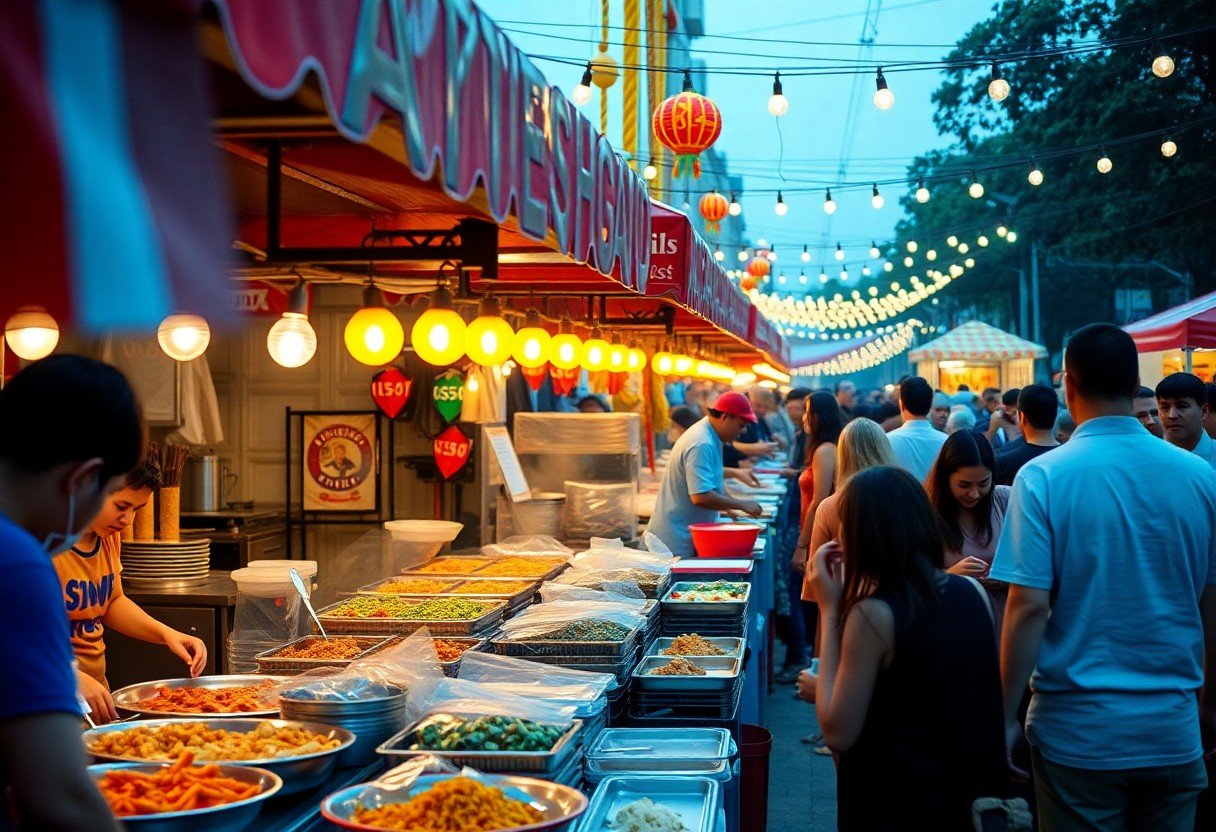
With a myriad of culinary delights awaiting you around the globe, food festivals are a gateway to experience local culture through its most vibrant flavors. These events not only showcase unique dishes but also offer immersive experiences that celebrate the artistry of food and its connection to community. From savory street foods to exquisite fine dining, traveling for these festivals can elevate your palate and enrich your travels. Explore these can’t-miss events and indulge your senses in unforgettable gastronomic adventures.
Key Takeaways:
- Food festivals showcase local cuisine and culinary traditions, offering visitors a unique cultural experience.
- These events often feature renowned chefs, cooking demonstrations, and local ingredients, enhancing the gastronomic adventure.
- Attending food festivals can provide opportunities to connect with local communities and explore new flavors and dishes.
Iconic Food Festivals Around the World
La Tomatina – Spain
In the town of Buñol, La Tomatina is an exhilarating battle of ripe tomatoes held annually on the last Wednesday of August. You’ll be thrown into a frenzy of red pulp and joy as thousands gather to hurl overripe tomatoes at each other in this unconventional celebration, which attracts over 20,000 participants. Dress accordingly-this event is all about messy fun and ultimately, a sense of community as you wash off the remnants after an unforgettable day.
Oktoberfest – Germany
Oktoberfest in Munich, kicking off in late September and lasting until the first weekend of October, is the world’s largest beer festival, drawing over six million visitors. You’ll immerse yourself in Bavarian culture as you taste traditional brews from local breweries, indulge in hearty foods like pretzels, sausages, and roast chicken, and enjoy lively music and dancing under massive tents. Be prepared for a festive atmosphere where the spirit of camaraderie and celebration fills the air.
With origins dating back to 1810, Oktoberfest has evolved into a cultural phenomenon beyond beer, featuring carnival rides, exhibitions, and traditional costumes. Each year, you’ll find over 14 million liters of beer consumed, paired with delicious culinary offerings. There’s something special about joining the throngs of locals and tourists alike in authentic beer halls, experiencing everything from lively polka music to the joyous cacophony of laughter and clinking steins. Planning your visit in advance is wise, especially if you want a spot in one of the famous tents!
Unique Culinary Experiences
Feast of San Gennaro – USA
Every September, you can explore Italian-American culture at the Feast of San Gennaro in New York City’s Little Italy. This iconic festival offers over 300 food vendors, featuring mouthwatering dishes like cannoli and fried zeppole, along with live music and vibrant parades. With two weeks of festivities, you’ll engage in authentic culinary delights while honoring a rich cultural tradition.
Melbourne Food and Wine Festival – Australia
The Melbourne Food and Wine Festival transforms the city into a gastronomic wonderland every March. Over 10 days, you can indulge in tastings, masterclasses, and exclusive events featuring renowned chefs. This festival celebrates Victoria’s produce, showcasing seasonal ingredients and innovative culinary techniques, making it a must-attend for food enthusiasts from around the globe.
Attending the Melbourne Food and Wine Festival grants you access to intimate dinners with celebrated chefs, vibrant food markets, and unique events like the popular “Brunch in the Sky.” With participation from over 200 local restaurants and wineries, the festival highlights regional flavors through educational experiences and collaborations. Sign up for specific events in advance, as this immersive culinary journey captivates thousands of visitors every year.
Regional Delicacies Celebrated
Your journey through culinary festivals wouldn’t be complete without indulging in regional delicacies that highlight local flavors and traditions. These festivals offer a unique opportunity to taste authentic dishes that embody the culture and heritage of each location. Savoring these delights brings a deeper understanding of the region’s history and culinary practices, making your experience all the more enriching.
Pizzafest – Italy
Pizzafest in Naples, Italy, is a paradise for pizza lovers, taking place annually in September. You’ll sample authentic Neapolitan pizza handcrafted by renowned pizza makers, showcasing the art of pizza-making with only the finest ingredients. The festival features over 50 pizzaioli, live music, and cultural events, inviting you to immerse yourself in the vibrant atmosphere of this iconic city.
Maine Lobster Festival – USA
The Maine Lobster Festival, held in Rockland, is a shellfish lover’s dream, attracting thousands every August. You can feast on freshly caught lobster prepared in various delicious ways and participate in lively contests, including the famed Lobster Cracking Contest. This annual event not only highlights Maine’s maritime pride but also offers cooking demonstrations, local artisans, and family-friendly activities for everyone to enjoy.
At the Maine Lobster Festival, over 20,000 pounds of lobster are served, showcasing the bounty of the Atlantic. Aside from the mouthwatering lobster, you might try dishes like clam chowder, crab cakes, and other seafood delicacies. Live music and entertainment add to the festive atmosphere, while the chance to experience Lobster Boat tours offers you a glimpse into the region’s fishing culture. This celebration is a hub for culinary adventure, engaging local fishermen and chefs who share their expertise and passion for fresh seafood.
Cultural Significance of Food Festivals
Bridging Communities
Food festivals act as a cultural bridge, connecting diverse communities and fostering relationships. For instance, the Carnaval de Oruro in Bolivia showcases traditional dishes alongside mesmerizing folklore, reinforcing local identity and heritage. Such events often attract over 400,000 visitors annually, highlighting the importance of sharing culinary traditions. When you attend these festivals, you not only savor unique flavors but also participate in a cultural exchange that strengthens community bonds and promotes understanding among different peoples.
Preserving Heritage
Many food festivals serve as a platform for preserving endangered culinary practices and recipes. The World Gnocchi Festival in Italy, for example, revives traditional pasta-making techniques that date back centuries. This celebration brings together chefs, home cooks, and historians, emphasizing the need to protect culinary heritage for future generations. When you partake in these festivities, you contribute to the conservation of invaluable traditions that define cultural landscapes.
Economic Impact
The economic benefits of food festivals are significant, generating millions in revenue for local economies. The Great American Foodie Fest in Las Vegas attracts thousands, with an estimated economic impact of around $1.5 million each year. By supporting local vendors and artisans, you help stimulate job creation and business growth. Attending these festivals strengthens the local economy while allowing you to indulge in authentic cuisine.
Tips for Enjoying Food Festivals
- Arrive early for shorter lines and fresh servings.
- Sample a variety of dishes to maximize flavor experiences.
- Stay hydrated, especially if spending long hours outdoors.
- Understand the layout to optimize your time at the festival.
- Engage with vendors to learn more about the cuisine you’re tasting.
Assume that your experience will be richer when you approach food festivals with an open mind and a willingness to explore.
Planning Your Visit
When planning your visit, check the official schedule of events to ensure you don’t miss any special activities or performances. Consider traveling during the week before peak days to enjoy lower crowds and better access to food. It’s wise to book your accommodations early, especially in popular destinations, as hotels tend to fill quickly during these events. Transportation should also be planned in advance; whether by car or public transit, knowing your route will help you navigate easily.
Engaging with Local Culture
Engaging with local culture at food festivals can significantly enhance your experience. Participating in cooking demonstrations or attending workshops allows for a hands-on approach to understanding traditional practices. This immersion fosters connections with local chefs and artisans, turning simple tastings into rich storytelling experiences about cultural heritage. Moreover, sampling regional specialties gives you a tangible connection to the area’s history, making your culinary journey unforgettable.
Delve deeper by participating in cultural performances that accompany food festivals, such as regional dances or music. These activities offer insight into the community’s traditions and values, allowing you to appreciate the food’s background fully. Seeking out local artisanal vendors not only supports the economy but also invites conversations about their craft. This engagement transforms your visit from mere consumption into an enriching exploration of the local identity shaped by cuisine.
Sustainable Practices at Food Festivals
Waste Reduction Initiatives
Your participation in food festivals increasingly supports sustainable practices, like waste reduction initiatives. Many festivals now implement zero-waste goals, encouraging vendors to use compostable or reusable materials. For example, the Green Festivals in San Francisco have successfully diverted over 95% of waste from landfills through composting and recycling programs, setting a benchmark for others to follow.
Local Sourcing and Organic Choices
A growing trend among food festivals is the emphasis on local sourcing and organic ingredients. Chefs and vendors are showcasing dishes made from ingredients sourced within 100 miles, reducing carbon footprints and supporting local economies. Events like the Farm-to-Table Festival in New York not only highlight regional produce but also foster a deeper connection between attendees and local farms.
Education and Awareness
Many festivals prioritize education on sustainable practices through workshops and demonstrations. You can find sessions on topics like composting at the Pig & Whiskey Festival in Michigan, where attendees learn how to implement sustainable practices in their daily lives. Such knowledge empowers you to make more environmentally conscious decisions beyond the festival.
To wrap up
Following this exploration of diverse food festivals, you should consider how these events can enhance your travel experiences. Each festival offers a unique glimpse into local culture and cuisine, allowing you to engage with traditions and flavors that are often hard to find elsewhere. By planning your travels around these festivals, you can savor unforgettable culinary delights while connecting with fellow food enthusiasts. Your journey through these culinary celebrations will not only tantalize your taste buds but also enrich your understanding of the world’s culinary heritage.
FAQ
Q: What are some of the top food festivals to travel for in 2023?
A: Some top food festivals in 2023 include the Taste of Chicago in the United States, the Salon International de l’Agriculture in Paris, the Melbourne Food and Wine Festival in Australia, the Pizzafest in Naples, Italy, and the Tokyo Ramen Show in Japan.
Q: How do food festivals enhance culinary tourism?
A: Food festivals provide an immersive experience, showcasing local cuisine, cooking techniques, and culture. They attract food enthusiasts, chefs, and tourists, creating a vibrant environment that fosters culinary appreciation and cultural exchange.
Q: What should travelers expect at a typical food festival?
A: Travelers can expect to sample a variety of dishes, attend cooking demonstrations, participate in tasting events, and enjoy live entertainment. Many festivals also feature workshops, food contests, and opportunities to meet renowned chefs.
Q: How can attendees prepare for a food festival?
A: Attendees should plan their visit by researching festival schedules, making reservations for popular events, and arriving early to avoid long lines. It’s also beneficial to wear comfortable shoes and maintain hydration for a full day of activities.
Q: Are food festivals suitable for people with dietary restrictions?
A: Many food festivals offer diverse food options to cater to various dietary needs, including vegetarian, vegan, gluten-free, and allergen-friendly choices. It’s advisable for attendees to check the festival’s website or contact organizers for specific information on available options.