Top 10 Cooking Classes Abroad for Family fun: A Global Guide
Every parent knows the specific anxiety of staring down a rainy afternoon in a foreign city with energetic kids and an empty itinerary. You’ve done the museums (too quiet), you’ve done the playgrounds (too familiar), and you’re dreading the inevitable request for screen time.
But there is a growing trend in family travel that solves the boredom problem while handling lunch at the same time: cooking classes.
Once reserved for serious foodies or couples on romantic getaways, culinary workshops have evolved into one of the most engaging activities for families. This shift aligns with recent findings from the 2025 Family Travel Survey by NYU, which highlights a massive spike in “kidfluence”—where parents prioritize activities that allow their children to actively participate in the local culture rather than just observing it from a tour bus window.
Beyond the entertainment value, these classes offer a secret weapon for parents of picky eaters. Science backs this up: studies published by the National Institutes of Health (NIH) have found that children are significantly more likely to eat vegetables and try new foods when they have helped prepare them. When a child rolls their own pasta or wraps their own spring roll, the fear of the unknown is replaced by the pride of creation.
Add in the fact that cooking applies real-world skills—measuring ingredients, observing chemical reactions, and following sequences—and you have an educational activity that feels like play. Experts at Michigan State University Extension note that cooking with children supports math and science learning in a way that traditional classrooms often can’t replicate.
In this guide, we’ll explore why you should book a class, what specific features to look for to ensure it’s actually kid-friendly, and our top picks for destinations where your little chefs can shine.
What Makes a Class “Family-Friendly”?
Not all cooking schools are created equal when it comes to kids. A 5-hour masterclass on deboning a duck might be a dream for a professional chef, but it is a nightmare for a 7-year-old. To avoid mid-class meltdowns, you need to filter your options through a specific set of criteria.
-
Interactive vs. Demonstration: This is the most critical factor. You must book a “hands-on” class where children are physically doing the work—kneading dough, rolling sushi, or mixing spices. Avoid “demonstration” classes where you sit and watch a chef cook; kids need tactile engagement to stay focused.
-
The “Yuck” Factor: When traveling, children are often wary of new flavors. Look for classes that act as a “gateway.” Cuisines like Italian (pizza/pasta) or Japanese (rice/dumplings) are excellent starting points because they rely on familiar textures before introducing exotic spices.
-
Duration: The “sweet spot” for family classes is 2 to 3 hours. According to educational experts at Utah State University, tasks that break down into short, achievable steps help maintain a child’s confidence and attention. Anything over 4 hours usually results in diminishing returns for younger participants.
-
Private vs. Group: If your children are very young (under 6) or have high energy, consider booking a private session. Many schools offer “family private” rates that are comparable to buying 4 group tickets, giving you the freedom to take breaks whenever needed.
The Top 10 Family-Friendly Cooking Classes Abroad
We have curated this list based on schools that specifically cater to families, offering English instruction, safe environments, and menus that kids love to make (and eat).
1. Italy (Rome): Cooking Classes in Rome with Chef Andrea
-
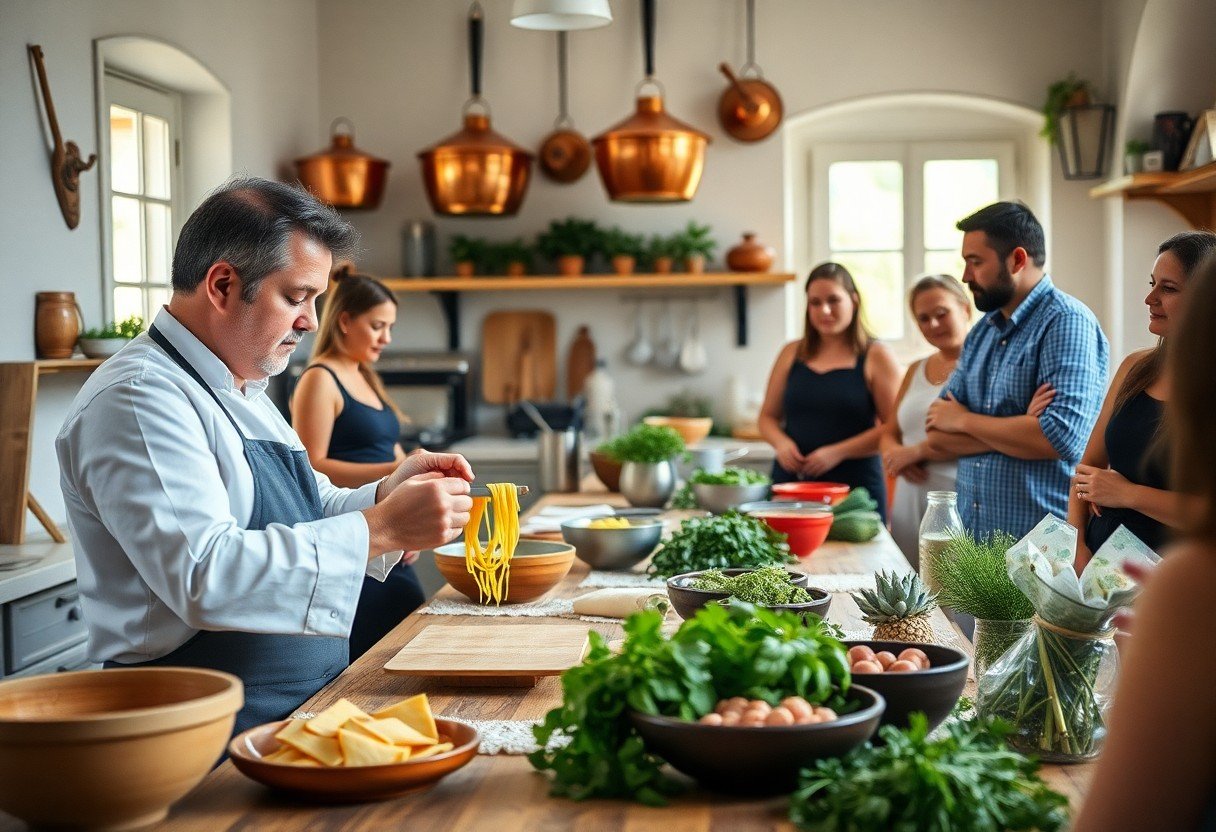
The Vibe: Located in the charming Trastevere neighborhood, this class feels like Sunday dinner at an Italian uncle’s house. Chef Andrea is renowned for his humor and ability to make kids feel like the “head chefs” of the kitchen.
-
Why Kids Love It: It is high energy and tactile. There is no standing around; kids get messy immediately making fresh pasta dough from scratch.
-
Hero Dish: Fresh Fettuccine and Tiramisu (Chef Andrea often does a kid-friendly version without strong coffee).
-
Book It: Cooking Classes in Rome
2. Thailand (Chiang Mai): Grandma’s Home Cooking School
-
The Vibe: This isn’t just a kitchen; it’s a field trip. The experience begins with a tour of an organic farm where families pick their own herbs and eggs. The cooking stations are open-air pavilions, meaning there is plenty of space for energetic kids to move around.
-
Why Kids Love It: The “farm-to-table” connection is instant. Picking ingredients gives them ownership over the meal. Plus, Thai dishes like spring rolls are like edible arts and crafts.
-
Hero Dish: Pad Thai (customizable spice levels) and Coconut Soup.
-
Book It: Grandma’s Home Cooking School
3. France (Paris): Cook’n With Class
-
The Vibe: While many Parisian schools are strict and technical, Cook’n With Class offers a dedicated “Cuisine en Famille” course designed specifically for parents and children (ages 6-12). The atmosphere is relaxed, English-speaking, and focused on fun rather than perfection.
-
Why Kids Love It: They get to wear professional aprons and use real tools, which makes them feel grown-up. The baking classes (Macarons or Profiteroles) are particularly popular because… well, sugar.
-
Hero Dish: French Macarons or a 3-Course French Lunch.
-
Book It: Cook’n With Class Paris
4. Japan (Kyoto): Kyoto Family Kitchen
-
The Vibe: This unique experience takes place inside a real family home in the suburbs of Kyoto, rather than a commercial studio. It offers an intimate glimpse into Japanese domestic life that hotels can’t provide.
-
Why Kids Love It: The kitchen is cozy and informal. The instructors often teach “Character Bento” making, where rice is shaped into pandas or anime characters—a massive hit with children.
-
Hero Dish: Gyoza (Dumplings) and Bento Boxes.
-
Book It: Kyoto Family Kitchen
5. Mexico (Mexico City): Aura Cocina Mexicana
-
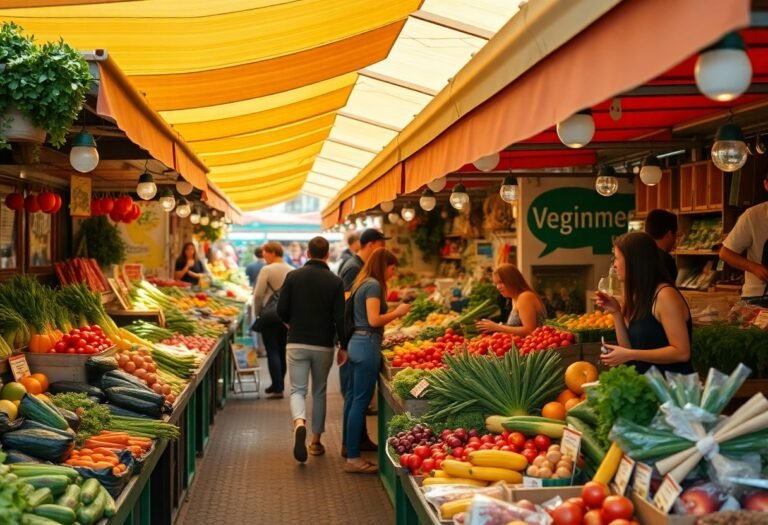
The Vibe: A sensory explosion. The class often starts with a guided market tour to smell spices, see hanging piñatas, and pick vegetables. Back in the kitchen, the environment is colorful, loud, and joyful.
-
Why Kids Love It: Using a traditional tortilla press is incredibly satisfying for little hands. The tactile nature of masa (corn dough) is similar to play-dough, making it easy for even toddlers to participate.
-
Hero Dish: Handmade Tortillas, Sopes, and mild Salsas.
-
Book It: Aura Cocina Mexicana
6. Sweden (Vaxholm): Vaxholms Bed & Breakfast
-
The Vibe: Located in the Stockholm archipelago, this isn’t a commercial kitchen—it’s a cozy, traditional Swedish home. The experience centers around Fika, the Swedish cultural institution of taking a break with coffee (or hot chocolate) and cake. It feels like visiting a grandparent in the countryside.
-
Why Kids Love It: It’s low-stress and sweet-focused. There is no heavy chopping or heat; it’s mostly rolling dough, sprinkling sugar, and enjoying the smell of baking cinnamon.
-
Hero Dish: Traditional Cinnamon Buns (Kanelbullar).
-
Book It: Vaxholms Bed & Breakfast
7. Peru (Cusco): Marcelo Batata Cooking Class
-
The Vibe: This class is high-energy and educational, perfect for slightly older kids (ages 8+). It often includes a “chocolate workshop” segment where instructors explain the journey from cacao bean to bar, followed by a savory cooking session.
-
Why Kids Love It: The chocolate tasting is an obvious win, but the savory portion is also engaging because it involves “flaming” the wok (safely supervised), which looks spectacular and exciting.
-
Hero Dish: Lomo Saltado (Stir-fried beef) and Chocolate Fondue.
-
Book It: Marcelo Batata
8. Austria (Vienna): Wrenkh Cooking Salon
-
The Vibe: Vienna is known for its formality, but the Wrenkh brothers run a modern, accessible studio that welcomes families. The focus here is on Viennese classics that are hearty and fun to assemble.
-
Why Kids Love It: The process of making Apple Strudel involves stretching the dough until it is paper-thin—a tactile challenge that often results in giggles when holes appear. It’s a messy, flour-filled activity that kids adore.
-
Hero Dish: Classic Viennese Apple Strudel.
-
Book It: Wrenkh Cooking Salon
9. Jordan (Petra): Petra Kitchen
-
The Vibe: Located right near the entrance to the Petra archeological site, this is a communal experience. You cook alongside local women in a large, bustling kitchen. It’s noisy, chaotic in a good way, and feels like a community party rather than a strict classroom.
-
Why Kids Love It: It removes the pressure of individual performance. Because everyone cooks together at long tables, it’s social and fast-paced. Chopping vegetables for salads and rolling flatbreads are easy tasks for all ages.
-
Hero Dish: Hot and Cold Mezza (Hummus, Baba Ganoush) and fresh flatbreads.
-
Book It: Petra Kitchen
10. USA (Santa Fe): Santa Fe School of Cooking
-
The Vibe: You don’t always have to cross an ocean for a cultural culinary experience. For North American families, Santa Fe offers a distinct “New Mexican” flavor profile that feels like a different world. The school focuses on the history and storytelling of the Southwest.
-
Why Kids Love It: The instructors are master storytellers, keeping kids engaged with tales of the region while they work. The food is hands-on, specifically the tortilla making.
-
Hero Dish: Corn Tortillas and Mild Red Chile Sauces.
-
Book It: Santa Fe School of Cooking
Practical Tips for Parents
Even the best cooking class can go sideways if you aren’t prepared. Here are three tips to ensure smooth sailing:
-
The “Snack Strategy”: Never arrive starving. It counterintuitive, but you will likely be cooking for 90 minutes before you actually eat the final meal. Feed kids a small protein-rich snack beforehand to prevent “hangry” meltdowns during the prep work.
-
Safety First: Kitchens are full of hot oil and sharp edges. Ensure everyone wears closed-toe shoes (no flip-flops!). If you have children with long hair, bring hair ties to keep it out of the food and away from flames.
-
Allergy Prep: Language barriers can make communicating allergies difficult. Food Allergy Research & Education (FARE) recommends printing out “chef cards” in the local language that clearly list what your child cannot eat. Email these to the school at least 48 hours in advance.
Cooking Classes Abroad Conclusion
Travel souvenirs often end up collecting dust on a shelf, but a recipe is a souvenir you can use forever. Taking a cooking class with your children isn’t just about the meal you eat that day; it’s about the confidence they gain and the memory of laughing together over misshapen dumplings or flour-covered noses.
Whether you are folding dumplings in Kyoto or stretching strudel in Vienna, these experiences prove that the kitchen truly is the heart of the home—even when you are thousands of miles away from yours.
Have you taken a cooking class with your kids? Tell us which country had the best food in the comments below!