Best 7-day Itinerary For First-time Visitors to Japan
What is the Best 7-day itinerary for first-time visitors to Japan? Japan is a country that captures the heart of every visitor. It has a rich culture, breathtaking landscapes, and vibrant history. Planning a trip to Japan can be daunting for first-time visitors.
Effective travel planning is key to enjoying your Japan trip. With a good plan, you can see the best of Japan. This includes bustling cities and serene landscapes.
Key Takeaways
- Understand the importance of planning your Japan trip
- Discover key destinations for first-time visitors
- Learn how to make the most out of your 7-day journey
- Get insights into Japan’s culture and history
- Explore travel tips for a smooth journey
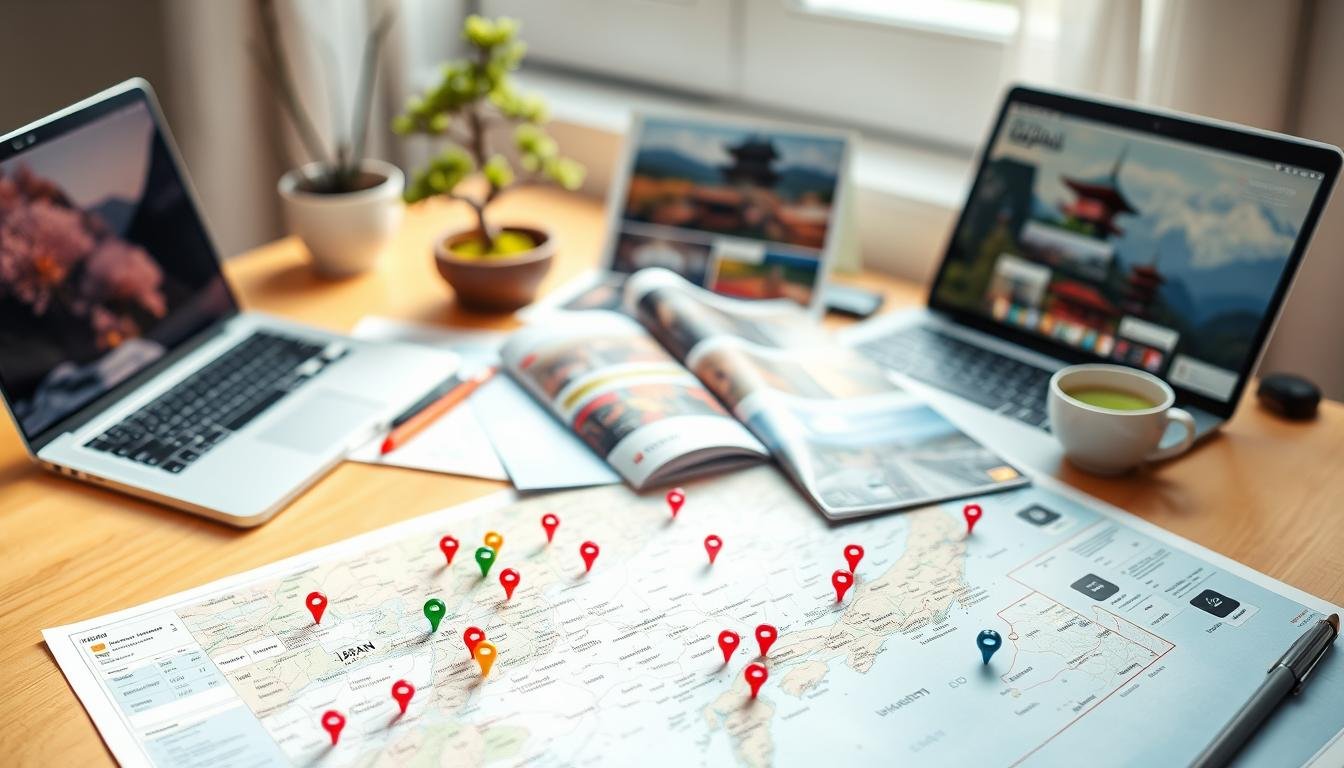
Planning Your First Trip to Japan
Getting ready for your first trip to Japan? A few important things will make your trip fun and easy. Start planning early for a great trip.
Best Time to Visit Japan
Japan is beautiful all year round. But, the best time to go depends on what you like. Spring (March to May) is perfect for seeing cherry blossoms. Autumn (September to November) has nice weather and beautiful leaves.
- Spring: Cherry blossoms, mild weather
- Autumn: Comfortable temperatures, fall foliage
- Summer: Hot and humid, but great for beachgoers
- Winter: Cold, but ideal for skiing and hot springs
Visa Requirements and Entry Procedures
Visa rules for Japan change based on where you’re from. Check the official government website or talk to the Japanese embassy or consulate in your country. For more info on visas and how to enter, visit Nomadic Matt’s travel guide.
Budget Considerations and Currency
Japan can be pricey, but you can still save money. The currency is the Japanese Yen (JPY). Plan your budget for travel, staying, eating, and fun activities. Here are some tips:
- Use a Japan Rail Pass for extensive train travel
- Stay in budget-friendly accommodations like hostels or capsule hotels
- Enjoy local street food and convenience store meals
- Purchase a Suica or Pasmo card for easy travel on public transportation
Essential Travel Tips Before You Go
Before you head to Japan, it’s important to know some key travel tips. Learning the basics of traveling in Japan can make your trip better.
Transportation Options in Japan
Japan is famous for its great transportation system. You can use trains, buses, and subways to get around. The Japan Rail Pass is a good choice if you want to see many places.
| Transport Mode | Coverage | Cost |
|---|---|---|
| Train | Extensive network across Japan | Varies by distance and type |
| Bus | Wide coverage, including rural areas | Generally cheaper than trains |
| Subway | Major cities like Tokyo and Osaka | Convenient, with prepaid cards available |
Japan Rail Pass: Is It Worth It?
The Japan Rail Pass is a smart buy for those who will use trains a lot. It lets you travel unlimited on JR trains, buses, and ferries.
Packing Essentials for Japan
Choosing the right things to pack can make your Japan trip better. You’ll need comfy shoes, clothes for different weather, and a portable charger.
- Comfortable walking shoes
- Lightweight rain gear
- Power adapter for charging electronic devices
Best 7-day Itinerary for First-time Visitors to Japan: Overview
Japan is a unique mix of old and new, offering a travel experience unlike any other. A well-planned 7-day trip can help first-timers enjoy their visit to the fullest.
For a great Japan trip, balance is key. This 7-day plan takes you through Japan’s top cities and cultural spots.
Balancing Urban Exploration and Cultural Experiences
A good Japan trip plan mixes city life with cultural experiences. You might spend days in Tokyo, visiting temples, and trying traditional food.
Why This Route Works for First-timers
This 7-day plan is perfect for first-timers. It covers famous spots like Tokyo’s skyscrapers and Kyoto’s gardens.
The route is easy to follow, with good transport between places. It’s a great way to start exploring Japan.
Day 1: Arriving in Tokyo
Your journey to Japan starts in Tokyo, a city that mixes old traditions with new modern ways. As you arrive, you can’t wait to explore this vibrant city.
Navigating Narita or Haneda Airport
When you land at Narita or Haneda airport, finding your way to your next stop is the first task. Both airports have many ways to get to the city center, like trains and buses. For example, the Narita Express train is a great way to get to central Tokyo.
Getting to Your Accommodation
After leaving the airport, finding your hotel is easy. Many hotels are close to big train stations. It’s a good idea to buy a Suica or Pasmo card for easy travel on Tokyo’s public transport.
Evening Exploration in Shinjuku
For your first night, Shinjuku is a great place to check out. It has both modern and traditional Tokyo, from tall skyscrapers to peaceful gardens. Take a walk around and try some local food.
Where to Stay in Tokyo
Tokyo has many places to stay, for every budget. Shinjuku, Shibuya, and Asakusa are favorites for tourists because of their good locations and easy access to sights. Look for a hotel that’s close to public transport.
| Area | Average Cost per Night | Proximity to Major Attractions |
|---|---|---|
| Shinjuku | $150 | High |
| Shibuya | $180 | High |
| Asakusa | $120 | Medium |
Day 2: Tokyo’s Eastern Districts
On your second day in Tokyo, explore the city’s eastern districts. Here, tradition and modernity blend perfectly. This area is full of cultural heritage and fun, making it a top spot for travelers.
Morning at Senso-ji Temple and Asakusa
Begin your day at Senso-ji Temple, a famous Tokyo landmark. Walk down Nakamise shopping street and visit the temple. You’ll get a taste of Asakusa’s traditional culture.
Afternoon in Ueno Park and Museums
Next, visit Ueno Park, a big green space in the city. Check out the Tokyo National Museum or the National Museum of Western Art. They’re both in the park and offer a deep dive into Japanese art and history.
Evening in Akihabara Electric Town
As evening falls, head to Akihabara, Tokyo’s electronic and anime center. Look through shops filled with retro video games and the newest tech. The vibe here is truly unique.
Dining Experiences in Eastern Tokyo
For dinner, check out eastern Tokyo’s dining scene. You’ll find everything from traditional izakayas to modern restaurants with creative dishes. Try local favorites like tempura or monjayaki for a dinner you’ll remember.
Day 3: Tokyo’s Western Highlights
On your third day in Tokyo, explore the city’s western highlights. Here, trendy fashion, iconic landmarks, and lively nightlife await. This day is packed with visits to famous areas, offering cultural experiences and modern entertainment.
Morning at Meiji Shrine and Harajuku
Start your day at the Meiji Shrine, a peaceful Shinto shrine in a forested area. Then, head to Harajuku, famous for its unique fashion styles. Walk down Takeshita Street, filled with trendy shops, cafes, and snack bars.
Afternoon in Shibuya and the Famous Crossing
Next, visit Shibuya, one of Tokyo’s busiest districts. See the famous Shibuya Crossing. Walk around Shibuya, visit Hachiko’s statue, and check out the shopping and dining options.
Evening in Roppongi Hills
In the evening, go to Roppongi Hills. Enjoy the views of Tokyo from its observation decks. Have dinner at a restaurant, visit the Mori Art Museum, or just enjoy the atmosphere.
Tokyo’s Nightlife Options
Tokyo’s nightlife is diverse and vibrant. From rooftop bars to underground clubs, there’s something for everyone. Try Shinjuku’s Golden Gai for a unique bar-hopping experience or explore Kabukicho’s neon-lit streets.
| Location | Must-see Attractions | Best Time to Visit |
|---|---|---|
| Meiji Shrine | The shrine itself, tranquil gardens | Morning |
| Shibuya | Shibuya Crossing, Hachiko statue | Afternoon |
| Roppongi Hills | Observation decks, Mori Art Museum | Evening |
Day 4: Day Trip to Hakone or Kamakura
A day trip from Tokyo can take you to amazing places like Hakone or Kamakura. Both spots offer unique experiences that add to your Tokyo journey.
Getting to Hakone/Kamakura from Tokyo
To reach Hakone or Kamakura, Japan’s rail network is your best bet. For Hakone, the Odakyu Line from Shinjuku Station is direct. For Kamakura, take the JR Yokosuka Line from Tokyo Station or the Odakyu Line from Shinjuku with a transfer at Fujisawa.
Hakone Option: Hot Springs and Mt. Fuji Views
Hakone is known for its hot springs and Mt. Fuji views. Soak in Owakudani Valley’s hot springs or cruise Lake Ashi for breathtaking views of Mt. Fuji.
Kamakura Option: Ancient Temples and Giant Buddha
Kamakura is home to ancient temples and the giant Buddha at Kotokuin Temple. Visit the serene gardens and historic sites, like Tsurugaoka Hachiman Shrine, a key landmark in Kamakura.
Returning to Tokyo
After exploring Hakone or Kamakura, head back to Tokyo on the same rail lines. Plan your return based on your evening plans in Tokyo, whether it’s dining or entertainment.
| Destination | Main Attractions | Travel Time from Tokyo |
|---|---|---|
| Hakone | Hot Springs, Mt. Fuji Views | 2 hours |
| Kamakura | Ancient Temples, Giant Buddha | 1.5 hours |
Day 5: Traveling to Kyoto
Traveling to Kyoto is a highlight of any Japan trip. The journey is as memorable as the destination. You’ll leave Tokyo behind and start an exciting adventure to Japan‘s culturally rich city.
Taking the Shinkansen Bullet Train
The journey starts with a ride on the Shinkansen bullet train. It’s known for its speed and comfort. As you travel, you’ll see Mount Fuji and other scenic views. For more information on planning your Japan trip, visit this helpful resource.
Afternoon in Arashiyama Bamboo Grove
When you arrive in Kyoto, go to the Arashiyama Bamboo Grove. It’s a serene and picturesque area that shows Kyoto’s tranquility. The bamboo stalks sway in the breeze, creating a soothing atmosphere.
Where to Stay in Kyoto
Kyoto has many places to stay, from traditional ryokans to modern hotels. For a real experience, stay in a ryokan. You’ll enjoy traditional Japanese hospitality and cuisine. Booking early is a good idea, as it gets busy during peak seasons.
Days 6-7: Exploring Kyoto and Nearby Areas
Days 6 and 7 are all about diving into Kyoto’s heart. You’ll see eastern temples and shrines and visit Nara. Kyoto shows Japan’s rich culture through its many landmarks.
Day 6: Kyoto’s Eastern Temples and Shrines
Day 6 takes you to Kyoto’s eastern areas. You’ll see the Kiyomizu-dera Temple, a UNESCO site with a wooden stage over a valley. The Sanjusangendo Temple is known for its 1,001 Kannon statues.
Walking through these places, you’ll feel the mix of spirituality and nature.
Day 7: Fushimi Inari and Nara Day Trip
Day 7 is for Fushimi Inari’s vermilion gates. They make a stunning tunnel up the mountain. It’s a must-see in Kyoto.
Then, head to Nara for a day trip. See the Todai-ji Temple’s huge bronze Buddha and walk with friendly deer in Nara Park.
Final Evening in Japan
Your trip ends with a traditional Japanese dinner in Kyoto. Maybe even a geisha show if you book it. Think back on your adventures, from Tokyo’s streets to Kyoto and Nara’s calm.
Practical Tips for Navigating Japan
Getting ready for Japan? Having some handy tips can really help. Knowing the basics can make your trip smoother.
Language Barrier and Useful Phrases
Many Japanese speak some English, but learning basic phrases is great. Say “konnichiwa” (hello), “arigatou” (thank you), and “sumimasen” (excuse me) to locals. Translation apps can also be a big help.
Etiquette and Cultural Customs
Japan values strict etiquette and customs. Always remove your shoes at traditional homes or temples. This shows respect and avoids offense.
Also, respect queues and don’t eat while walking. These habits are important in Japan.
Internet Access and Staying Connected
Staying online in Japan is easy, thanks to free Wi-Fi in many spots. You might want a portable Wi-Fi hotspot or a SIM card. Restaurants and cafes often have Wi-Fi too.
Knowing how to get online helps you stay connected with loved ones.
Conclusion
This 7-day itinerary is perfect for first-time visitors to Japan. It mixes urban excitement, cultural heritage, and natural beauty. You’ll see Tokyo’s bright streets and Kyoto’s calm temples.
Travel planning is crucial for a great trip. This itinerary helps you explore Japan’s top spots and hidden treasures. Japan offers history, food, and tech for everyone.
Japan is a mix of old and new. With this plan, you’re set for an amazing journey. Start planning your trip now and dive into Japan’s beauty.
FAQ
What is the best time to visit Japan?
The best times to visit Japan are spring (March to May) and autumn (September to November). The weather is mild and comfortable during these seasons. You can enjoy Japan’s natural beauty, like cherry blossoms in spring and autumn foliage.
Do I need a visa to enter Japan?
Visa rules for Japan depend on your nationality. Many countries, like the U.S., Canada, and most of Europe, don’t need a visa for short stays (up to 90 days). Always check the latest visa and entry rules before your trip.
How do I navigate Japan’s transportation network?
Japan’s public transport is top-notch, with trains, buses, and subways. The Japan Rail Pass is great for long trips. Suica and Pasmo cards make local travel easy. Knowing some Japanese and having a translation guide helps too.
Is a Japan Rail Pass worth it?
A Japan Rail Pass is a good deal for those taking many long train trips, like the Shinkansen. It lets you travel unlimited on JR trains, buses, and ferries. It’s a smart choice for exploring Japan.
What are the must-visit places in Tokyo?
Tokyo has lots to see, like Shibuya Crossing and Meiji Shrine. Don’t miss Senso-ji Temple and Tokyo Skytree. Explore areas like Harajuku, Akihabara, and Roppongi Hills for different experiences.
How do I stay connected in Japan?
Staying online in Japan is easy, with free Wi-Fi in many places. You can also get a prepaid SIM card or rent a portable Wi-Fi hotspot for internet on the go.
What are some essential items to pack for Japan?
Pack comfy shoes, layers for weather, and modest clothes for temples. Bring a portable charger, as you’ll use your phone a lot for maps and photos.
What are some basic Japanese phrases I should know?
Knowing “konnichiwa” (hello), “arigatou” (thank you), and “sumimasen” (excuse me) shows respect. A translation guide or app can help with more complex talks.
Can I use my credit cards in Japan?
Major credit cards work in big cities and tourist spots, but cash is preferred elsewhere. Carry some yen for small buys and at traditional places.