Walking the Camino De Santiago Coast Trail
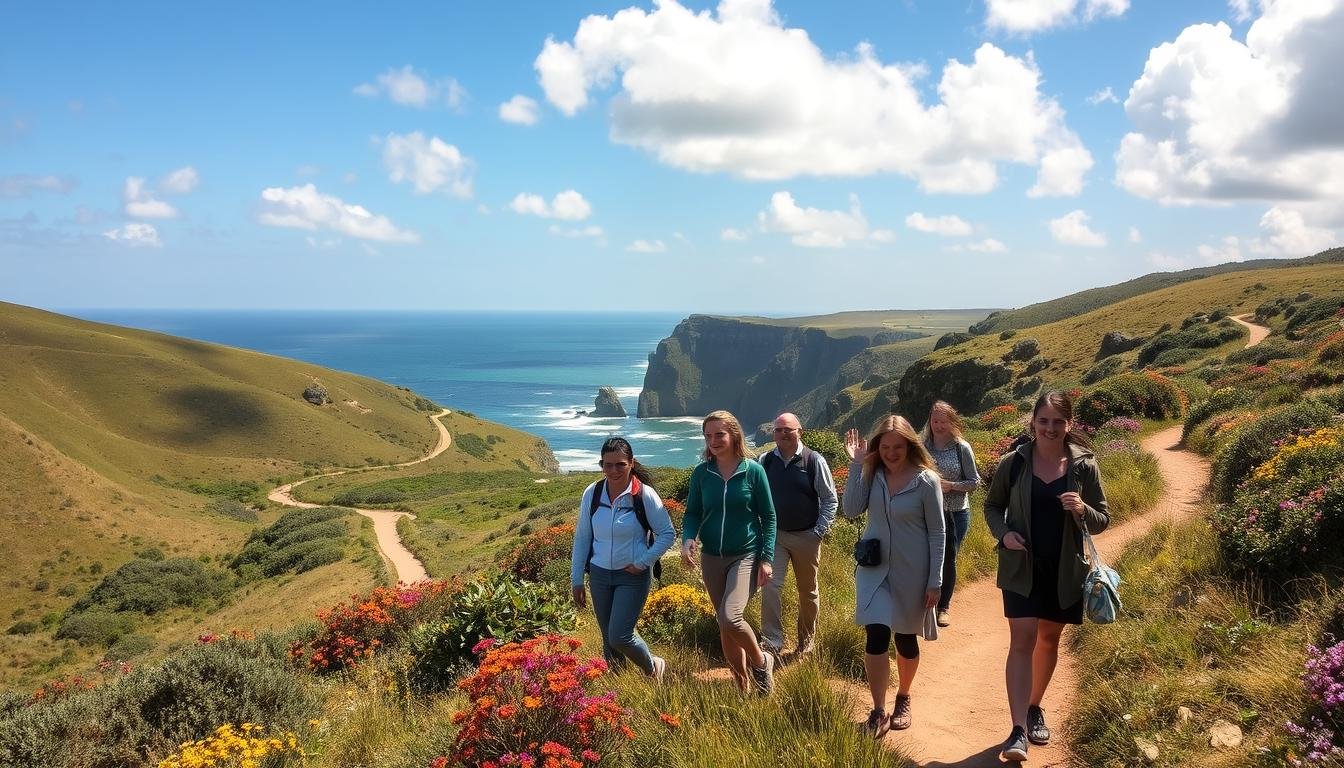
Start a spiritual journey along the beautiful Atlantic coast with walking the Camino de Santiago Coast Route. It’s a part of the Camino Portugues. The path begins in Porto and follows the coast to Vigo. Then, it joins the Central Route, offering stunning ocean views.
The Camino de Santiago is a network of paths leading to the Cathedral de Santiago de Compostela in Spain. It draws pilgrims and travelers from all over. The Coastal Route is famous for its natural beauty. It’s perfect for those who want to combine spirituality with scenic views.
Key Takeaways
- Discover the Camino de Santiago Coastal Route, a scenic variant of the Camino Portugues.
- Explore the expenses associated with traveling the Camino de Santiago.
- Learn about the travel costs and how to plan your pilgrimage.
- Experience the spiritual journey and natural beauty of the Atlantic coast.
- Understand the significance of the Camino de Santiago and its various routes.
Overview of Walking the Camino de Santiago Coast
The Camino de Santiago Coastal Route is a mix of spiritual journey and stunning coastal views. It spans 274 km and takes 12-15 days to finish. It starts in Porto and ends in Redondela, after passing along the coast.
This route is part of the Camino Portugues. It offers a unique mix of coastal beauty and cultural experiences. Pilgrims see the Atlantic Ocean, lovely coastal towns, and a rich history and spirituality.
- Scenic coastal views and beaches
- Historic sites and landmarks
- Cultural immersion in local towns
- Spiritual journey and personal reflection
Knowing the costs of walking the Camino de Santiago is key for planning. The expenses vary based on where you stay, what you eat, and how much you spend. On average, pilgrims spend $30 to $50 daily on accommodation, food, and other needs.
Budgeting for Walking the Camino de Santiago Coast
To plan your budget for the Camino de Santiago, consider these costs:
- Accommodation: Albergues (pilgrim hostels) cost $5 to $15 per night.
- Food: Eating at local cafes and making some meals can cost $15 to $30 daily.
- Transportation: The cost varies, but pilgrims usually spend $50 to $100 on getting to and from the route.
- Miscellaneous: Souvenirs, extra snacks, and unexpected costs can add up to $100 or more.
By knowing these costs and planning, pilgrims can prepare for the financial side of their Camino de Santiago Coast journey.
Preparing for Walking the Camino de Santiago Coast
Before you start the Camino de Santiago Coast, get ready physically and financially. A well-prepared traveler enjoys their journey more.
Physical prep is key for the Camino de Santiago Coast. Start training 2-3 months before your trip. Include walking, cycling, or swimming for heart health. Also, do strength training to boost endurance.
Also, pack the right stuff. You’ll need comfy hiking shoes, layers for the weather, a first-aid kit, and a big enough backpack. Remember, pack light to avoid extra weight.
Planning your budget is also important. The cost of the Camino varies based on where you stay and eat. Prices for albergues range from 10 to 20 Euros per night. Daily expenses can be 25 to 40 Euros, depending on your choices.
Plan your daily budget to manage costs. Think about where you’ll stay, eat, and any extra activities. Smart budgeting makes your trip fun and affordable.
With physical prep, the right gear, and budgeting, you’re set for the Camino de Santiago Coast. This prep makes your journey better and more rewarding.
Highlights Along the Coastal Path
The Coastal Path of the Camino de Santiago is filled with beautiful villages, historical sites, and amazing natural views. Pilgrims get to see different landscapes and cultures, making their journey unforgettable.
Vila do Conde is one of the first towns pilgrims see. It’s known for its medieval buildings and history. Travelers can check out the historic center, see the 18th-century aqueduct, and try local food. Planning your finances for the Camino de Santiago lets you enjoy these stops without worry.
Next, pilgrims visit Póvoa de Varzim, known for its lovely beaches and lively culture. The town has many places to stay and eat, perfect for resting and refreshing. Knowing the costs of walking the Camino de Santiago coast helps you plan your budget.
Esposende is another highlight, with its beautiful harbor and sea history. Pilgrims can have fresh seafood, visit markets, and feel the Portuguese welcome.
Must-See Attractions
- The historic center of Vila do Conde
- The beautiful beaches of Póvoa de Varzim
- The picturesque harbor of Esposende
- Various natural wonders along the Coastal Path
Walking the Camino de Santiago Coast is more than reaching a goal. It’s about diving into the history, culture, and beauty of the areas you pass through. With good financial planning, you can fully enjoy this incredible journey.
Challenges to Expect While Walking the Camino de Santiago Coast
The Camino de Santiago Coast is more than just a pretty path. It’s a tough journey that needs careful planning and strength. Pilgrims face changing weather, from rain to heat, and different paths like cobblestone and asphalt.
Walking long distances every day is a big challenge. You need to be in good shape to do this. It’s smart to train before starting your journey walking the Camino de Santiago coast.
Weathering the Elements
The weather on the Camino de Santiago Coast can surprise you. Bring clothes that can handle rain and keep you cool in the sun. Knowing the weather in each area helps you plan better.
Managing Costs
Another big challenge is keeping track of your money. The budget for walking the Camino de Santiago coast changes based on where you stay, eat, and other costs. Look into the cost of walking the Camino de Santiago pilgrimage and plan your budget. Camino de Santiago accommodation prices vary from cheap to expensive.
- Research accommodation options in advance to manage costs.
- Plan your daily expenses, including food and miscellaneous costs.
- Consider budgeting extra for contingencies.
Knowing the challenges and preparing well makes the Camino de Santiago Coast journey rewarding. It’s about being ready for the physical and financial aspects of the trip.
Tips for a Successful Pilgrimage
As you get ready for walking the Camino de Santiago coast, think about what will make it unforgettable. A great pilgrimage is not just about finishing the journey. It’s about the amazing moments you have along the way.
Getting to know the local culture is a big part of the Camino de Santiago. Staying in local albergues gives you rest and chances to meet others. Joining in communal activities, like sharing meals or going to local events, makes your trip even better.
Planning your finances is key for a worry-free trip. Knowing how much it costs to walk the Camino helps you budget. Here are some important costs to think about:
- Accommodation: Prices differ between albergues and hotels. Aim to spend €15-€30 per night at albergues.
- Food: Eating at local cafes and cooking your own meals can save money. Expect to spend €10-€15 per meal.
- Transportation: Don’t forget the cost of getting to and from the Camino trailheads.
Setting a Camino de Santiago daily budget helps you keep track of your spending. Pilgrims usually spend €30-€50 daily on accommodation, food, and other things. Adjusting your budget based on your spending habits and exchange rates makes your trip more enjoyable.
Financial planning for Camino de Santiago is more than just budgeting. It’s about being ready for anything. Pack lightly to save on transport and get travel insurance for unexpected medical or travel costs.
By watching your spending and fully enjoying the pilgrimage, you’ll have a fulfilling and memorable experience walking the Camino de Santiago coast .
Walking the Camino de Santiago Coast Conclusion
The Camino de Santiago Coast journey changes lives, sparking spiritual and personal growth. Pilgrims walk along the scenic path, diving into a journey of self-discovery.
Many say they grow personally and find a deeper spirituality after the Camino. Walking the Camino de Santiago Coast is a unique experience. It combines physical challenge, cultural immersion, and spiritual exploration. If you’re thinking about this pilgrimage, plan well. This includes budgeting for Camino de Santiago travel costs and expenses.
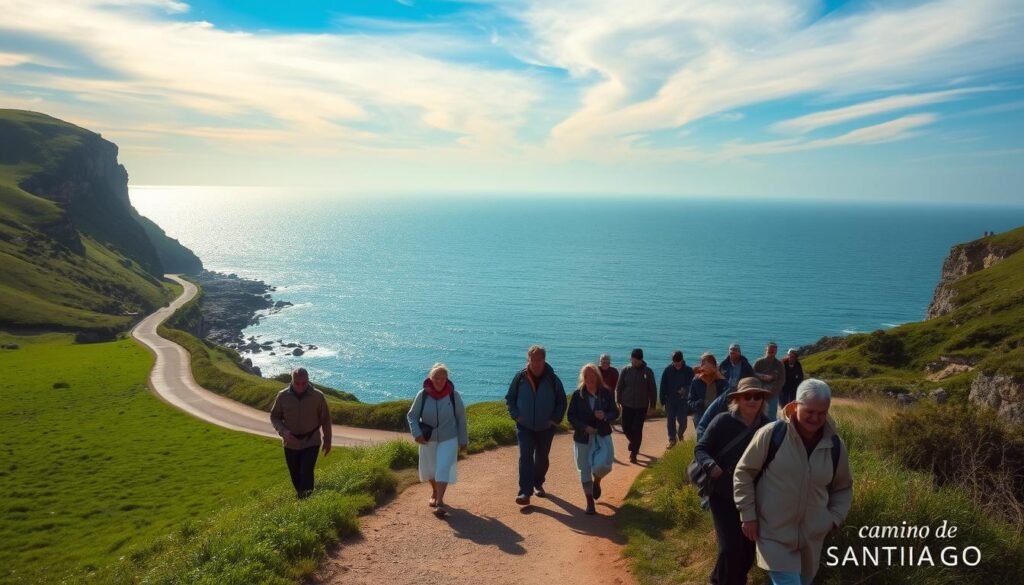
Reflecting on the Camino de Santiago coast, the memories and lessons stay with you. This pilgrimage is more than a walk. It’s a journey that can deeply change your life, encouraging personal reflection and spiritual growth.
Resources for Your Trip Walking the Camino de Santiago Coast
To make your journey on the Camino de Santiago Coast smooth and fun, there are many resources available. Guidebooks, online forums, and apps can help with planning and finding your way.
For flight planning, there are tools to compare prices and find great deals. Knowing the costs of places to stay along the way is also important for planning your budget.
It’s key to set a daily budget for the Camino de Santiago. Think about what you’ll spend on food, lodging, and activities. Doing your research and budgeting ahead of time is smart.
Online communities and forums offer great advice from those who have walked the Camino before. They can help with packing and navigating the path.
Using these resources can help you prepare better for your trip. This way, you’ll have a more rewarding experience on the Camino de Santiago Coast.
FAQ
What is the Camino de Santiago Coast, and how does it differ from other Camino routes?
The Camino de Santiago Coast is part of the Camino Portugues. It leads to Santiago de Compostela. It’s known for its beautiful views of the Atlantic coast. This makes it different from other routes like the Camino Frances.
How much does it cost walking the Camino de Santiago coast?
Walking the Camino de Santiago Coast costs vary. It depends on what you choose to spend on places to stay, food, and activities. On average, you might spend to per day.
What are the accommodation prices like walking the Camino de Santiago Coast?
Prices for places to stay vary. You can find albergues (hostels) for to per night. Mid-range hotels and pensions cost to per night. Luxury hotels can be 0 or more.
How should I budget for my Camino de Santiago Coast trip?
Plan your budget by thinking about daily costs. This includes where you stay, what you eat, and activities. A good starting point is a daily budget of to . But, this can change based on how you travel.
What are the must-see places walking the Camino de Santiago Coast?
The route is full of beautiful towns, historical sites, and nature. You should see the charming towns and villages. Also, don’t miss the beaches and cliffs.
What challenges can I expect on the Camino de Santiago Coast, and how can I overcome them?
You might face weather changes, different terrains, and tiredness. To deal with these, plan for surprises, stay fit, and be flexible with your plans.
How can I engage with local culture and connect with fellow pilgrims on the Camino de Santiago Coast?
To connect with local culture, visit markets, try local food, and talk to people. To meet other pilgrims, stay in shared places, join meals, and take part in events.
What resources are available to help plan and navigate the Camino de Santiago Coast?
There are many resources to help plan your trip. Guidebooks, online groups, and apps and websites are available. They offer info on the route, places to stay, and things to do.
How can I prepare physically for the Camino de Santiago Coast?
To prepare, start training to get fit. Do cardio, strength exercises, and stretch. Also, increase your walking and wear good shoes to avoid injuries.
What should I pack for the Camino de Santiago Coast?
Pack essentials like comfy shoes, layers for weather, a first-aid kit, and hygiene items. Try to pack light to avoid carrying too much.