7 Magical Spots to Watch the Annual Monarch Butterfly Migration
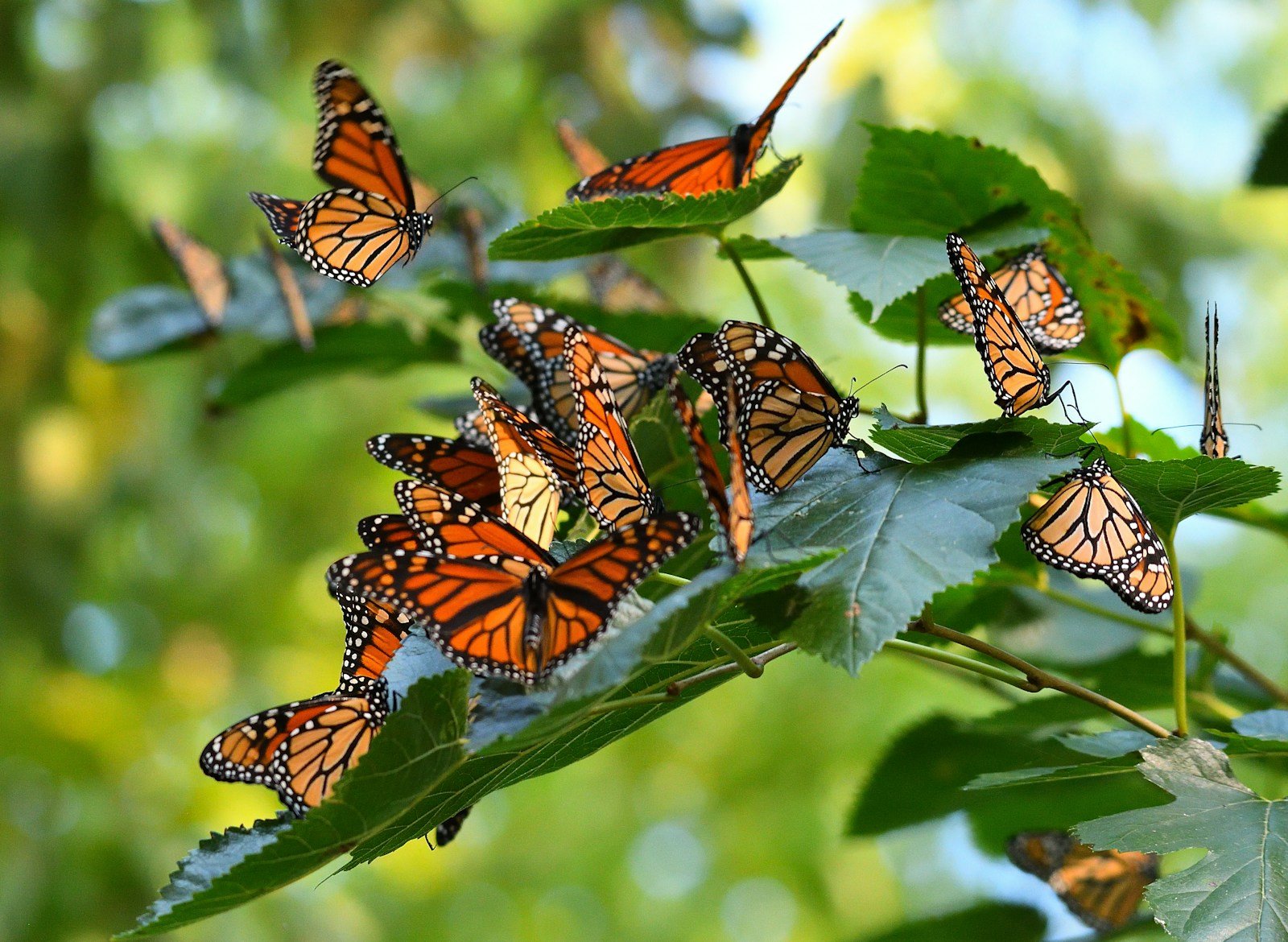
Ready to view the beauty and wonder of the monarch butterfly migration? Imagine standing in a forest where the trees aren’t just green—they are pulsating with life, cloaked in heavy, vibrant clusters of orange and black. When the sun hits the branches, the air fills with the sound of millions of wings beating in unison, sounding remarkably like falling rain.
This isn’t a scene from a fantasy novel; it is the reality of one of nature’s most spectacular phenomena: the Great Monarch Migration.
Every year, millions of monarch butterflies undertake a perilous journey of up to 3,000 miles, traveling from the cooler climates of Canada and the United States to their winter homes in the warm Oyamel fir forests of Mexico and the coastal groves of California. It is a feat of endurance that continues to baffle scientists, as the butterflies making this journey are the “Super Generation”—a specific generation that lives eight times longer than their parents just to complete this odyssey.
According to Monarch Watch, a leading conservation and research program, this migration is unique in the insect world for its length and consistency. However, it is also a fragile miracle. Habitat loss and climate changes mean that witnessing this event is not just a bucket-list item for travelers, but a way to support the local eco-tourism economies that are vital for the species’ survival.
The UNESCO World Heritage Centre has designated the overwintering biosphere in Mexico as a site of Outstanding Universal Value, but you don’t always have to cross international borders to see them. Whether you are tracking the Western Monarch population along the California coast or seeking the hidden sanctuaries of Michoacán, being in the presence of these travelers is a spiritual experience.
If you are ready to chase the orange clouds and view the monarch butterfly migration, here are the 7 most magical spots in North America to watch the annual monarch butterfly migration this season.
The Science in Brief: Understanding the Flyways of Monarch Butterfly Migration
Before you book your ticket, it helps to know exactly what you are looking for. The monarch population is effectively divided into two distinct groups by the Rocky Mountains, each with its own destination.
-
The Eastern Population: These butterflies breed east of the Rockies (covering most of the US and Canada) and fly up to 3,000 miles south to the Trans-Volcanic Belt in central Mexico.
-
The Western Population: These monarchs live west of the Rockies and migrate to the coast of California to wait out the winter.
The “Super Generation”
Perhaps the most mind-bending fact about this trip is that no single butterfly makes the round trip. The butterflies you see overwintering are known as the “Super Generation” (or the Methuselah generation). While a typical monarch lives only 2 to 6 weeks, this specific generation delays reproduction and lives for up to 9 months, allowing them to complete the marathon journey south and survive the winter.
Learn More: Check out the US Forest Service Migration Map to see the specific flyways they take during the monarch butterfly migration to reach these sanctuaries.
Monarch Butterfly Migration Crown Jewels: Mexico’s Biosphere Reserve
(Best time to visit: Mid-January to March)
If you want the classic National Geographic experience—trees entirely covered in orange “leaves”—you need to head to the Monarch Butterfly Biosphere Reserve, a UNESCO World Heritage site straddling the states of Michoacán and the State of Mexico.
While there are several sanctuaries, these three offer the best visitor experiences:
1. El Rosario Sanctuary (Michoacán)
-
The Vibe: The “Main Stage.” This is the most popular, accessible, and famous sanctuary.
-
What to Expect: You will likely see the highest density of butterflies here. The colony is often massive, coating the Oyamel fir trees in thick layers. The path is well-maintained but steep—expect to climb roughly 700 concrete stairs or walk up a paved incline to reach the colony.
-
Pro Tip: This spot gets very crowded on weekends. Arrive as soon as the gates open (usually 8:00 AM) on a Tuesday or Wednesday to have a quieter moment with the butterflies.
2. Sierra Chincua Sanctuary (Michoacán)
-
The Vibe: The “Chill Alternative.” If you want to avoid the tour buses at El Rosario, come here.
-
What to Expect: Sierra Chincua often offers a slightly easier hike than El Rosario (though still at high altitude). The views here are more panoramic, looking out over the mountain ranges, and the experience feels less commercialized.
-
Pro Tip: Bring small pesos for the local food stalls near the entrance—the blue corn quesadillas sold by local families are legendary.
3. Cerro Pelón Sanctuary (State of Mexico)
-
The Vibe: The “Hidden Gem” for adventurers.
-
What to Expect: This is the actual site where the migration was first confirmed by scientific researchers in 1975. It is the least visited of the three because it requires a tougher, steeper hike (often 1+ hours) on unpaved trails. The reward is a pristine forest where you might be the only tourist for miles.
-
Pro Tip: Because the trail is rugged, hiring a local guide and a horse is highly recommended. This directly supports organizations like Butterflies and Their People, a non-profit that employs local “forest guardians” to protect the sanctuary from illegal logging, ensuring the community can make a living from conservation rather than deforestation.
Monarch Butterfly Migration Western Wonders: California’s Coast
(Best time to visit: Late October to February)
While the Eastern population heads to Mexico, the Western Monarchs seek out the microclimates of the California coast. They don’t need high mountains; they need eucalyptus groves that provide shelter from the wind and moderate temperatures.
If you are planning a West Coast road trip, these are the three essential stops:
4. Pismo State Beach Monarch Butterfly Grove (San Luis Obispo)
-
The Vibe: Accessible and family-friendly.
-
What to Expect: This is often the most productive site in California for viewing. The grove is located right off Highway 1, making it incredibly easy to access. The monarchs here cluster in the eucalyptus trees in massive numbers—sometimes tens of thousands in a single season.
-
Pro Tip: Visit between 10:00 AM and 2:00 PM. The docents here often set up high-powered telescopes so you can see individual butterflies high in the canopy.
-
Plan Your Visit: Check the current counts at the California State Parks Pismo Grove page.
5. Pacific Grove: “Butterfly Town, USA” (Monterey)
-
The Vibe: Historic and charming. The town takes its nickname seriously—there is a municipal ordinance that enforces a $1,000 fine for “molesting a butterfly.”
-
What to Expect: The Monarch Grove Sanctuary is a small, protected area nestled in a residential neighborhood. Unlike the rugged hikes in Mexico, this is a gentle walk on a flat path. It is intimate, quiet, and perfect for photographers who want to work without hiking gear.
-
Pro Tip: After visiting the sanctuary, stop by the Pacific Grove Museum of Natural History. They are the primary organization responsible for monitoring the sanctuary and offer fascinating exhibits on the local microclimate.
6. Natural Bridges State Beach (Santa Cruz)
-
The Vibe: Scenic coastal beauty meets wildlife.
-
What to Expect: This is the only State Monarch Preserve in California. You follow a boardwalk into a canyon filled with eucalyptus trees which offers excellent wind protection for the insects. Because it is located in a canyon, the lighting here is often soft and ethereal, perfect for photography.
-
Pro Tip: Make it a “Surf and Turf” day. After viewing the monarchs in the canyon, walk down to the beach to explore the famous tide pools.
-
Plan Your Visit: Verify the park hours at the Natural Bridges State Beach official site.
Here are the final sections of your blog post, covering the East Coast migration, essential travel tips, and the conclusion.
All links have been verified to ensure they lead directly to authoritative conservation or visitor pages.
Monarch Butterfly Migration Great Stopover: Migration Funnels
(Best time to visit: Fall Migration, September – October)
While the overwintering sites are the final destination, the journey itself offers spectacular viewing opportunities. “Migration funnels” occur where geography forces the butterflies to cluster together before crossing large bodies of water.
7. Cape May (New Jersey)
-
The Vibe: The East Coast’s birding and butterfly capital.
-
What to Expect: Cape May acts as a natural geographical funnel. Monarchs traveling south from Canada and New England hit the tip of the peninsula and hesitate before crossing the 13-mile expanse of the Delaware Bay. This “traffic jam” results in thousands of monarchs roosting in pine trees or fueling up on seaside goldenrod in the dunes.
-
Pro Tip: Visit during the Cape May Monarch Monitoring Project. During the fall season (typically Sept 1 – Oct 31), the Cape May Bird Observatory hosts “tagging demos” where you can watch researchers safely catch, tag, and release butterflies to track their journey to Mexico.
Practical Tips for a Responsible Monarch Butterfly Migration Visit
Because monarchs are threatened by habitat loss and climate change, visiting them requires a “leave no trace” mindset. Here is how to be a responsible eco-tourist:
-
Look But Don’t Touch (Seriously): It is tempting to hold them, but the oils from human skin can damage the microscopic scales on their wings, affecting their ability to fly and waterproof themselves.
-
Skip the Bug Spray: If you are visiting sanctuaries, avoid wearing strong insect repellents or perfumes. These chemicals can be toxic to butterflies or disrupt the pheromones they use to communicate.
-
Photography Gear: You won’t be able to get close enough for a great smartphone macro shot without disturbing them. A DSLR with a zoom lens (200mm+) is ideal. If you are shooting with a phone, bring a small travel tripod and use your phone’s optical zoom—don’t physically approach the clusters.
-
Dress in Layers: It might be Mexico or California, but these sanctuaries are often at high altitudes or in cool coastal microclimates. Mornings are surprisingly cold (often near freezing in Michoacán), and you need to be warm until the sun comes out and the butterflies start flying.
Conclusion
Standing beneath a “golden cathedral”—a grove of trees dripping with millions of sleeping butterflies—is a reminder of nature’s delicate resilience. Whether you trek up the mountains of Michoacán or take a quiet walk through a California grove, witnessing the Great Monarch Migration is a travel experience that changes you.
As you plan your trip, remember that your visit supports the local communities working hard to protect these forests from logging and development. By being a respectful visitor, you are directly contributing to the survival of the species.
Planning your spring break? Check out the best spring break destinations for families.
Frequently Asked Questions (FAQ)
Q. Is the Monarch butterfly officially endangered?
A. Yes, the situation is critical. In 2022, the International Union for Conservation of Nature (IUCN) added the migratory monarch butterfly to its Red List of Threatened Species as "Endangered." This classification highlights the urgent need for habitat protection and combatting climate change to ensure the species' survival.
Q. Why do monarchs travel all the way to Mexico?
A. They are looking for the "Goldilocks" zone. The Oyamel fir forests in Michoacán provide a unique microclimate that is cool enough to slow their metabolism (allowing them to save energy) but not so cold that they freeze to death. The trees also offer protection from rain and snow.
Q. Can I see the migration anywhere else in the US besides California?
A. You won't see the massive overwintering colonies (thousands of butterflies on one tree) outside of California and Mexico. However, you can see them migrating through "flyway" states like Texas, Kansas, and the Great Lakes region during the fall (September/October) as they head south. The Journey North Maps are an excellent resource for tracking real-time sightings during migration season.
Q. What can I do to help monarchs if I can't travel?
A. The best thing you can do is plant native milkweed and nectar-rich flowers in your garden. Milkweed is the only plant monarch caterpillars eat. However, it is vital to plant the correct species for your specific region to avoid confusing their migration patterns. Use the Xerces Society Milkweed Finder to identify the right plants for your area.