The Best Places to Learn Surfing For Beginners: Top 7 Spots with Gentle Waves and Great Vibes
The Best Places to Learn Surfing For Beginners
The best places to learn surfing all share one secret ingredient: they make you feel like a pro even when you’re just wobbling on foam. Let’s be real for a second—learning to surf can feel a little scary. Between the crashing waves, the locals who seem to know exactly what they’re doing, and the fear of accidentally face-planting into a rock, it’s easy to feel intimidated.
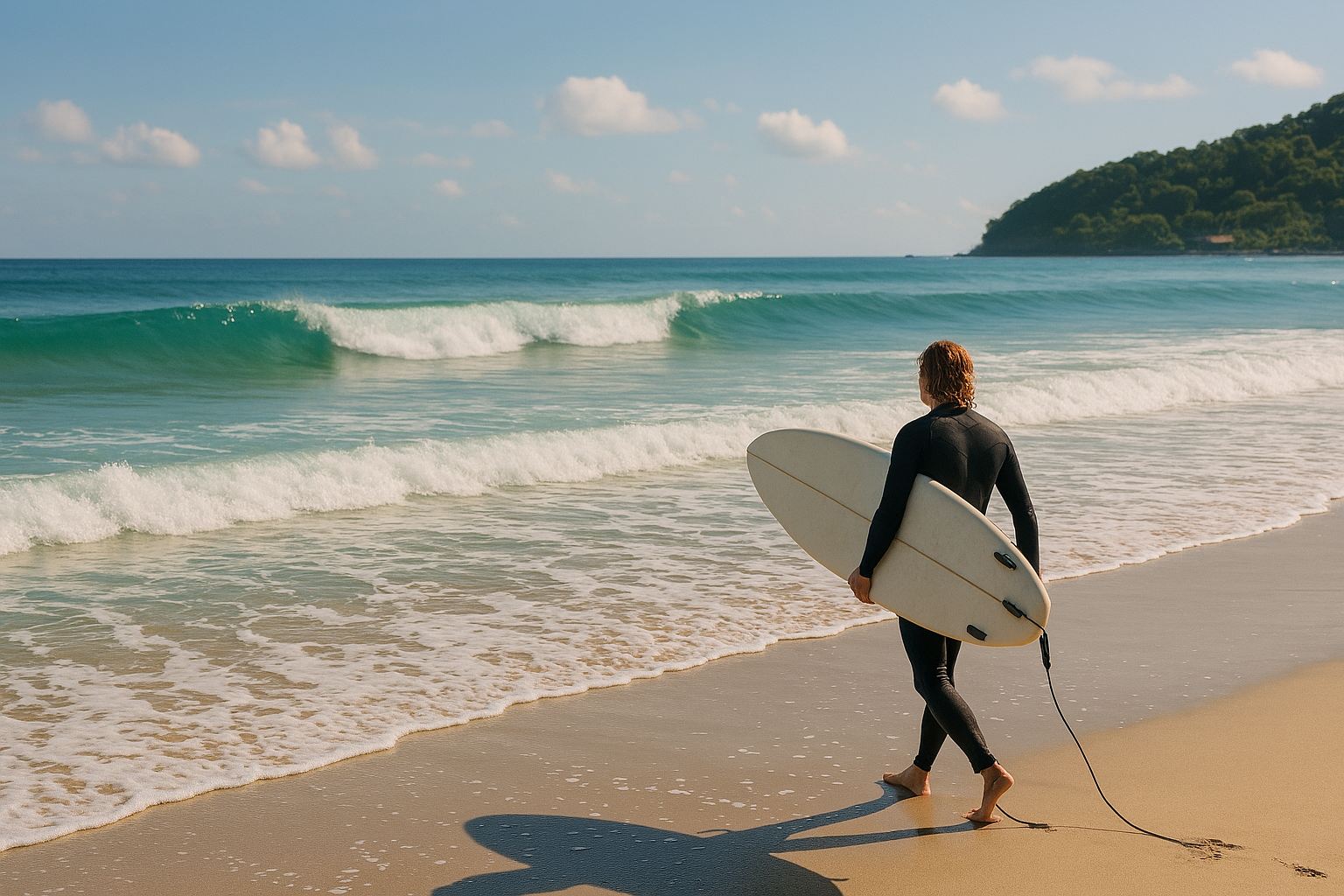
But here’s the good news: you don’t need to be an Olympic athlete or live by the beach to catch your first wave. You just need to find the right spot. The perfect beginner surf trip isn’t about finding the biggest waves; it’s about finding the friendliest ones. We’re talking about beaches with soft sandy bottoms (so you don’t scrape your knees), warm water, and long, gentle rollers that give you plenty of time to pop up.
Before you book your flight, it’s always a good idea to check out the International Surfing Association’s (ISA) guide to recognized surf schools to ensure you’re learning from certified instructors. You should also familiarize yourself with basic ocean safety from trusted sources like the RNLI’s Surfing Safety Guide, which covers essential tips like understanding rip currents and beach flags.
Whether you’re dreaming of sipping coconuts in Costa Rica or catching the “Aloha” spirit in Hawaii, the spots on this list were chosen because they have the ultimate “good vibes” for newbies. So, grab your rash guard and let’s dive in!
What Makes a Surf Spot “Beginner Friendly”?
You might think all waves are created equal, but that’s definitely not the case! When you’re looking for the best places to learn surfing, you can’t just rock up to any beach with a board and hope for the best. Some waves are too fast, some are too hollow, and some break over sharp coral that you definitely don’t want to meet close-up.
To have the most fun (and stay safe), you need to look for three specific things:
1. The “Mushy” Wave Factor
Okay, “mushy” might sound gross, but in surfing, it’s a compliment! You want waves that crumble gently rather than crashing down hard. These soft, rolling waves move slower, giving you plenty of time to paddle, wobble, and eventually stand up. Steep, hollow waves (the kind you see in the movies) are strictly for the pros.
2. Sand is Your Best Friend (Beach Breaks)
As a beginner, you will fall off your board. A lot. It’s part of the fun! But falling onto a soft sandy bottom is way better than falling onto a rocky reef. We call these spots Beach Breaks. They are the safest places to learn because the ocean floor is predictable and forgiving. Before you paddle out, it’s smart to brush up on your Surf Etiquette so you know who has the right of way and how to stay safe in the lineup.
3. Easy Access & Schools
The best beginner spots have a whole community ready to help you. Look for beaches with established surf schools and board rentals right on the sand. You don’t want to be dragging a heavy longboard for miles! Plus, these spots often have lifeguards who know the local currents. Supporting these local surf economies is also a great way to travel sustainably—something organizations like Save The Waves Coalition advocate for to protect these amazing coastlines for future surfers.
The Top 7 Spots with Gentle Waves and Great Vibes
Waikiki, Hawaii (The Classic)
You can’t talk about surfing without starting here. Waikiki is literally the birthplace of modern surfing, where legends like Duke Kahanamoku introduced the sport to the world. Imagine catching a wave with a view of the Diamond Head crater in the background and warm turquoise water splashing around you. It’s busy and touristy, but the “Aloha Spirit” is real, and there is no better place on earth to catch your very first party wave. For more on the history and travel tips, check out the official Go Hawaii guide.
-
The Vibe: Iconic, tropical city life, and deep surf history.
-
The Waves: “Canoes” and “Queens” spots offer incredibly long, gentle rides that push you forward slowly—perfect for longboarding.
-
Best Time to Go: Year-round! Summer (May-September) actually brings nice, gentle swells that are great for learners.
-
YohoTravel Tip: Don’t just rent a board; book a lesson with the “Beach Boys” right on the sand for an authentic experience.
Tamarindo, Costa Rica (Pura Vida)
If you want to experience the jungle and the ocean at the same time, Tamarindo is your spot. Located on the Nicoya Peninsula, this town lives by the motto “Pura Vida” (pure life). It’s evolved from a quiet fishing village into a buzzing surf town where howler monkeys watch you from the trees while you walk to the beach. It’s super safe for travelers and has an amazing mix of local Tico culture and international vibes. You can plan your adventure using the resources at Visit Costa Rica.
-
The Vibe: A lively party town meets relaxed jungle life. Great smoothies, great sunsets, and great nightlife.
-
The Waves: The main beach has a soft sandy bottom and consistent whitewater, meaning you can practice standing up without paddling out too far.
-
Best Time to Go: December to April is the dry season (perfect sunny days).
-
YohoTravel Tip: After your morning surf, take a catamaran sunset tour—it’s a Tamarindo staple.
Byron Bay, Australia (The Hippie Haven)
Down Under in Australia, Byron Bay is the ultimate chill-out zone. It used to be a sleepy hippie town, and while it’s a bit more upscale now, it still keeps that barefoot, bohemian soul. You’ll find buskers playing acoustic guitars, people doing yoga in the park, and a coastline that looks like a postcard. It is easily one of the best places to learn surfing if you want to combine your lessons with cool coastal walks and café hopping. Check out Visit NSW for local surf info.
-
The Vibe: Boho-chic, creative, and very health-conscious (hello, avocado toast!).
-
The Waves: The Pass and Clarkes Beach are protected from the massive ocean swells, offering super long, easy rides that go on forever.
-
Best Time to Go: March to May (Autumn in Australia) for warm water and fewer summer crowds.
-
YohoTravel Tip: Keep an eye out for dolphins; they are locals here and often surf the waves alongside you.
Weligama, Sri Lanka (The Up-and-Comer)
For a tropical adventure that is easy on your wallet, Weligama is unbeatable. This massive horseshoe-shaped bay on the south coast of Sri Lanka is protected from the wind, making the water glassy and inviting. It feels like a true escape, with colorful fishing boats bobbing in the water and tuk-tuks zipping through the streets. It’s widely considered the best beginner beach in the country.
-
The Vibe: Laid-back tropical paradise with incredible spicy food and a rustic charm.
-
The Waves: The bay is shallow and sandy for a long way out, so you can stand on the bottom between waves—a huge confidence booster!
-
Best Time to Go: October to April is prime season.
-
YohoTravel Tip: Visit the famous “stick fishermen” nearby early in the morning for an iconic travel photo.
Taghazout, Morocco (The Winter Escape)
Trade the palm trees for camels and mint tea in this North African gem. Taghazout is a charming fishing village that has transformed into a world-class surf destination. It’s culturally different from anywhere else on this list—think rooftop souks, the smell of spices in the air, and desert landscapes crashing into the Atlantic Ocean. It is the perfect place to go if you want to escape the cold European winter. Explore more at Visit Morocco.
-
The Vibe: Exotic, dusty, and super friendly. A mix of traditional Berber culture and modern surf chill.
-
The Waves: “Panorama Beach” offers a long, sandy point break that is gentle and very consistent for newbies.
-
Best Time to Go: September to April.
-
YohoTravel Tip: Stay in a “Surf & Yoga” retreat. Stretching out your sore muscles on a rooftop at sunset is magical.
Lagos, Portugal (The European Gem)
If you are in Europe, you don’t need to fly across the world to find great waves. Lagos, located in the Algarve region, is famous for its golden limestone cliffs and historic cobbled streets. It’s a bustling town with a fun backpacker scene, making it easy to meet other travelers. While the Atlantic can be a bit colder, the scenery is absolutely breathtaking. You can find surf school listings through PortugalGetaways.com
-
The Vibe: Historic charm meets a young, energetic party scene.
-
The Waves: Meia Praia is a massive stretch of sand with gentle waves. If it’s flat, schools drive you to the wild West Coast nearby.
-
Best Time to Go: Late Spring (May/June) or early Autumn (September).
-
YohoTravel Tip: The water is chilly! Make sure your surf school provides a good 4/3mm wetsuit so you stay warm.
Sayulita, Mexico (The Pueblo Magico)
Sayulita is a feast for the senses. Known as a “Pueblo Mágico” (Magic Town), this spot is bursting with color, from the “papel picado” flags strung above the streets to the vibrant Huichol art. It feels like a constant fiesta. The beach is the heart of the town, where surfers, fishermen, and swimmers all hang out together. It’s social, loud, and incredibly fun. For local events and guides, Sayulita Life is a great resource.
-
The Vibe: Colorful, artistic, and full of energy. Street tacos and live music are everywhere.
-
The Waves: The main beach has a soft, forgiving break right in front of the town, perfect for your first lessons.
-
Best Time to Go: November to March (great weather, no humidity).
-
YohoTravel Tip: Crowds can get heavy in the afternoon; try a sunrise session to have the waves mostly to yourself.
Essential Gear for Your First Trip
You don’t need to buy a whole surf shop before you leave, but there are a few essentials that will make your trip way better (and safer). Most surf camps will provide the big stuff like boards, but here is what you should definitely pack in your suitcase.
The Right Swimwear (Rash Guards)
Bikinis and boardshorts look cool, but after two hours of rubbing your belly against a sandy surfboard, you’re going to have a rash. Pack a Rash Guard (a lycra swim shirt). It prevents chafing and protects you from the sun. In colder spots like Portugal, you will need a wetsuit, but you can usually rent that on arrival.
Reef-Safe Sunscreen
This is non-negotiable! Regular sunscreen washes off and kills coral reefs. You need a heavy-duty “Zinc” or mineral sunscreen that stays on your face even when you wipe out. Check out this guide on Why Reef-Safe Matters to see why this small choice makes a big difference for the ocean.
Adventure Travel Insurance
Most standard travel insurance policies do not cover surfing because they classify it as an “adventure sport.” If you get injured, you could be stuck with a huge bill. World Nomads is super popular with backpackers because they specifically cover 200+ adventure activities. Another great option is DAN (Divers Alert Network), which specializes in water sports coverage globally.
A Good Leash
If you are buying your own board, never skimp on the surfing leash. It is the only thing connecting you to your flotation device. Read up on the Surfing Equipment Checklist to see exactly what gear is recommended for novices.
Conclusion
The best places to learn surfing aren’t just about the waves; they are about the memories you make while trying something new. Whether you choose the party vibes of Tamarindo, the history of Waikiki, or the camels of Morocco, you are guaranteed to come home with salt in your hair and a massive smile on your face.
Don’t let the fear of falling hold you back. Every pro surfer started exactly where you are right now—wobbling on a foam board in the whitewater.
So, what are you waiting for? Book the flight, buy the zinc, and go catch that first wave.
Frequently Asked Questions (FAQ)
Q. Do I need to be a really good swimmer to learn surfing?
A. You don't need to be an Olympic swimmer, but you definitely need to be comfortable in the water! You should be able to tread water and swim at least 200 meters without panicking. If you aren't confident yet, it’s a great idea to take a few swimming lessons at your local pool before your trip.
Q. How long does it take to stand up on a surfboard?
A. Most beginners can stand up on a "foamie" (a soft beginner board) within their very first lesson! Catching a "green wave" (an unbroken wave) and turning usually takes a few weeks of consistent practice. Be patient with yourself—surfing has a steep learning curve, but that first ride is worth it.
Q. Is surfing dangerous for beginners?
A. It is generally very safe if you stick to the rules. The biggest risks for beginners are usually their own boards (getting hit by them) or the sun (sunburn). This is why soft-top boards are used for learning—they hurt a lot less if they bump you! Always listen to your instructors and never paddle out alone.
Q. What about sharks? I’m scared!
A. This is the #1 fear for most people, but the reality is very different from the movies. Shark encounters are incredibly rare. You are statistically more likely to get injured driving to the beach than being in the water.
Q. Do I need to be super fit?
A. Surfing is the workout! You will be paddling a lot, which uses your shoulders and back. You also need a little bit of explosive energy to do a "pop-up" (pushing yourself from laying down to standing). Practicing push-ups or "burpees" at home before your trip can really help.