The Best Places To See Wild Sloths
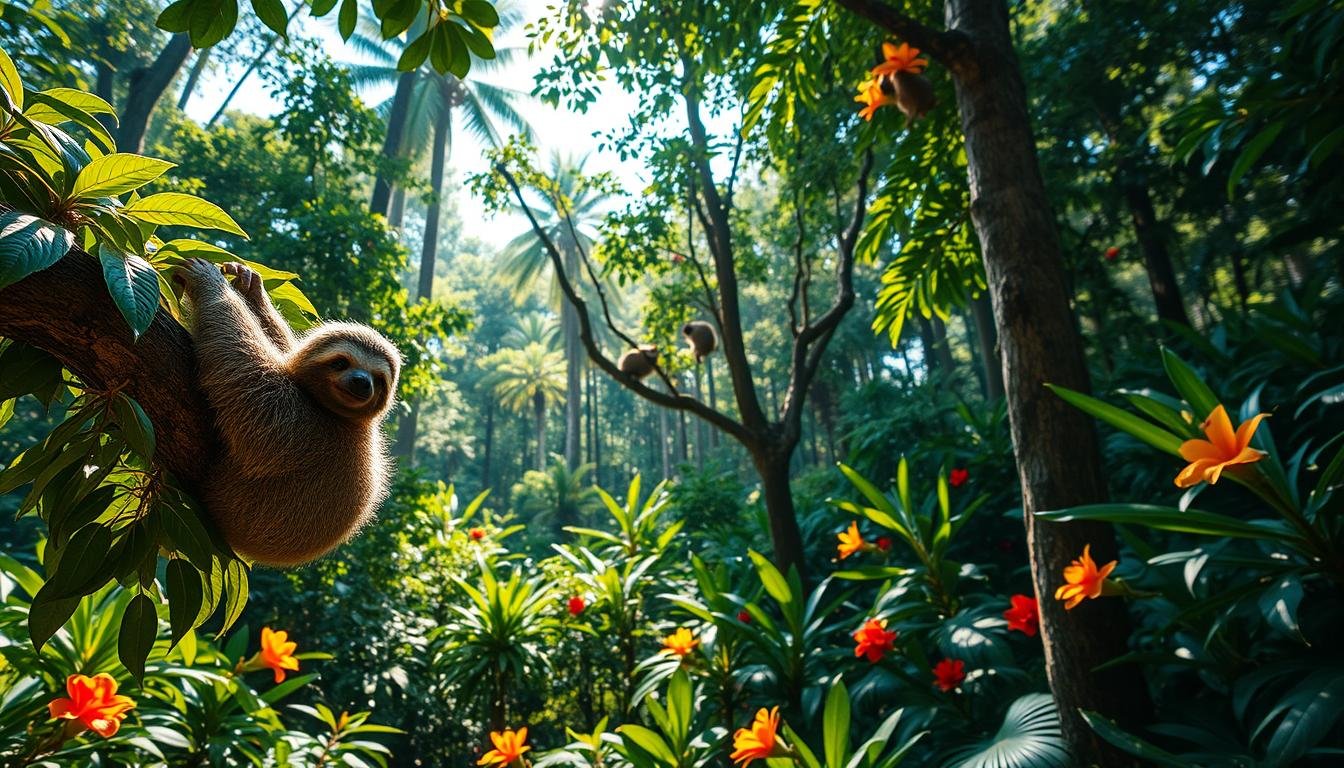
What are the best places to see wild sloths? The sloth, with its algae-rich green fur and tree-hugging nature, has captured the hearts of many. These intriguing creatures spend between 15 and 20 hours a day in the trees. This makes them a thrilling sight in the wild.
Dwelling in the humid rainforests of Central and South America, sloths can be spotted in their natural habitats across various countries. This includes Costa Rica, Ecuador, and Peru. Their unique characteristics and slow-paced lifestyle make them well worth observing.
Best Places To See Wild Sloths – Key Takeaways
- Sloths are found in the humid rainforests of Central and South America.
- They spend most of their day in the trees, making them a great sight in the wild.
- Countries like Costa Rica, Ecuador, and Peru are top destinations for sloth sightings.
- Sloths are known for their algae-rich green fur and slow-paced lifestyle.
- Observing sloths in their natural habitat is a unique and thrilling experience.
Understanding Sloth Habitats
Sloth habitats are found in primary rainforests. These forests have tall trees and a dense canopy. This makes a perfect home for sloths.
Primary rainforests are untouched by humans. They have trees over 250 feet tall. This creates layers of canopies that support many plants and animals.
The climate in these forests is warm and humid. It rains a lot all year. This weather is great for sloths, helping them live well.
Key Characteristics of Sloth Habitats
- Tall trees with a dense canopy
- Layered understory canopy
- Warm and humid climate
- Significant annual rainfall
Knowing these traits helps us find and watch sloths in their homes. It shows us why we must protect these rainforests. This is good for sloths and other animals too.
Best Places To See Wild Sloths in Central America
Central America is famous for its lush rainforests. This makes it a great place to see sloths in their natural home. The dense jungles and lively ecosystems are perfect for watching these animals up close.
Costa Rica is a top spot for sloth lovers. It’s known for its rich wildlife and efforts to protect it. Here, you can see sloths in many different places.
- Manuel Antonio National Park, known for its accessible trails and diverse wildlife.
- Cahuita National Park, offering a mix of coastal and rainforest habitats.
- Corcovado National Park, considered one of the most biodiverse places on the planet.
Panama is also a great place to see sloths. The Panama Canal and the rainforests around it create a special home for these animals.
Key Characteristics of Sloth Habitats
Sloth homes in Central America are full of dense plants, high humidity, and warm weather. These conditions help sloths live well, eating leaves, fruits, and flowers.
The main problems sloths face in these homes are:
- Habitat loss from deforestation and cities growing.
- Climate change, which changes where food is found.
- Interactions with people, which can harm sloth numbers.
Knowing these issues helps visitors understand the need to protect sloth homes. It also shows how they can help in their conservation.
Best Places To See Wild Sloths in South America
South America is a great place to see sloths in their natural home. Countries like Ecuador and Colombia are perfect for sloth lovers. They are known for their rich wildlife.
Ecuador is famous for its wildlife, including many sloths. Places like Cuyabeno Wildlife Reserve and Yasuni National Park are full of life. They have rainforests and many different plants and animals.
Colombia is also great for wildlife, with different habitats. You can find mangrove forests by the coast and cloud forests in the Andes. These places are home to different sloth species.
Key Locations for Sloth Spotting
- Cuyabeno Wildlife Reserve, Ecuador
- Yasuni National Park, Ecuador
- Cloud forests of the Colombian Andes
- Mangrove forests along the Colombian coast
When you visit these spots, knowing about sloth habitats and behaviors helps. Guides and local experts can tell you the best times and places to see them.
Exploring these South American sloth spots lets you see these amazing creatures. It also helps protect their homes. Responsible tourism supports local communities and helps protect sloth habitats.
Guidelines for Responsible Sloth Watching
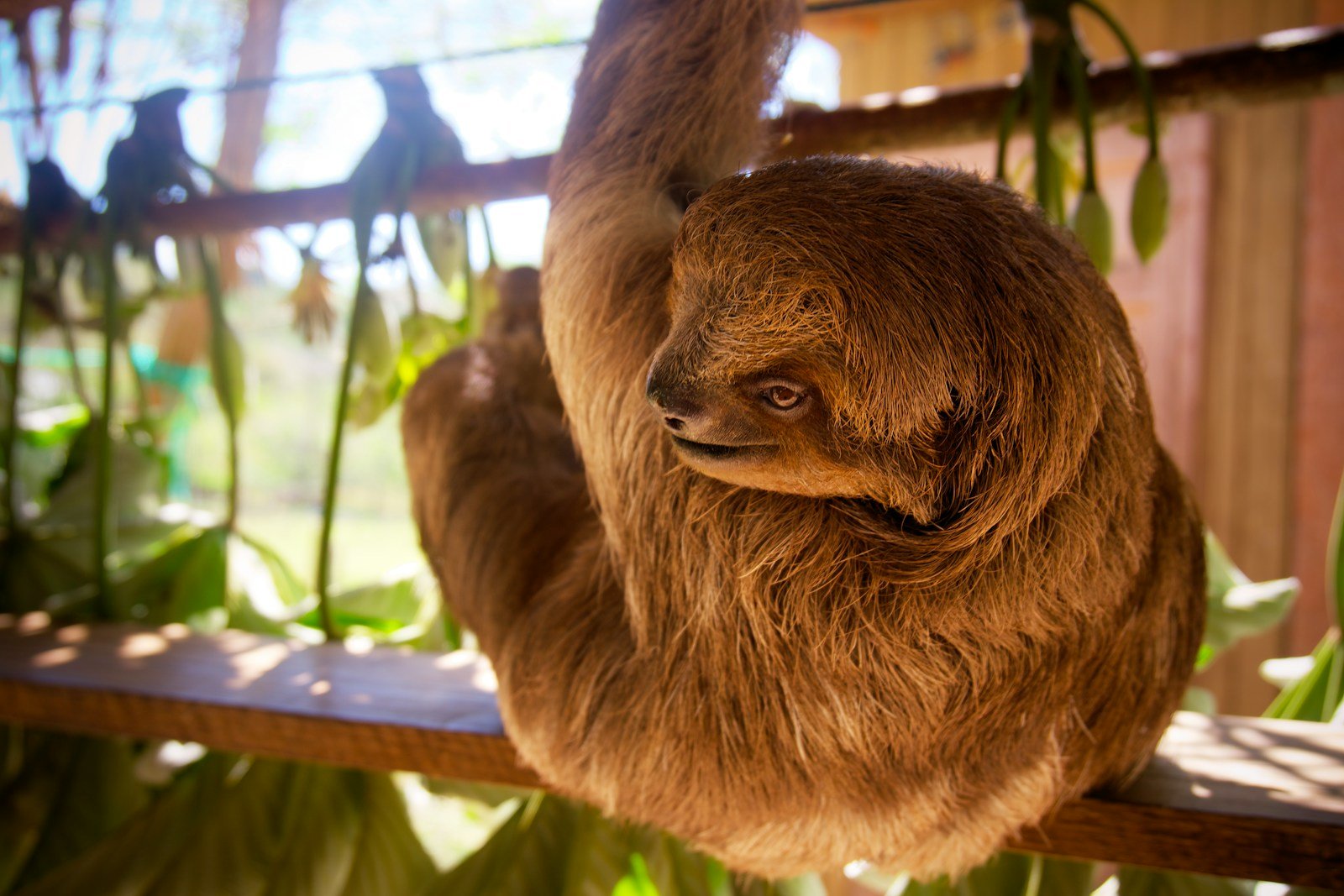
Watching sloths responsibly means more than just seeing them. It’s about keeping their homes safe too. When you visit places where sloths live, you help make tourism better for the planet.
To lessen your impact on sloth homes, follow these tips:
- Keep a safe distance from sloths and other animals to not stress them out.
- Stay in eco-friendly places that care about the environment.
- Be careful while driving in areas where sloths live.
It’s key to be a responsible tourist where sloths live. This means respecting their space and not littering or disturbing their home.
Best Practices for Sloth Viewing
To enjoy watching sloths responsibly, do these:
- Watch sloths quietly and calmly, without sudden moves or loud sounds.
- Never try to touch or feed sloths in the wild, as it can hurt you and them.
- Support local conservation by choosing tours that are good for wildlife.
By following these tips and best practices, you can see sloths in their natural home. You’ll also help protect these amazing animals and their homes.
Best Times to Spot Sloths
To see sloths, knowing when they’re most active is key. They move more at certain times and in specific weather. So not only do you need to know the best places to see wild sloths, you need to know the best times to see wild sloths.
Sloths are active in the early morning and late afternoon. These times are best for seeing them move or eat. Knowing this can make your visit to sloth observation sites better.
Weather affects sloth activity too. They prefer cloudy or overcast days to avoid the sun. Rainy days are also great for spotting them. The rainforest is lush and full of food and shelter for sloths.
Optimal Viewing Times
- Early morning: Sloths are often seen feeding or moving during this time.
- Late afternoon: Another peak period for sloth activity.
- Cloudy or overcast days: Ideal weather for sloth spotting.
- Rainy days: The rainforest is at its best, making it easier to spot sloths.
Visiting sloth habitats at these times at the best places to see wild sloths boosts your chances of seeing them. It’s a great way to enjoy these amazing creatures in their natural home.
Helpful Tips for Sloth Enthusiasts
When you go to see sloths, the right gear is key. It’s not just about seeing them. It’s about enjoying their home too.
Here’s what you should bring for a great time:
- Binoculars for a closer look without disturbing the sloths
- Camera equipment to capture the moment, ideally with a good zoom lens
- Appropriate clothing for trekking through rainforests, including comfortable shoes and rain gear
- Insect repellent to protect against mosquitoes and other insects
- A water bottle to stay hydrated during your trek
Knowing how sloths act can make your visit better. They like to be alone and move slowly. So, be patient and quiet to see them naturally.
With the right preparation and knowledge, you’ll have a great time. These tips are for both new and experienced wildlife lovers. They’ll help you enjoy your sloth adventure even more.
Conclusion: Planning Your Sloth Adventure
Exploring the best places to see wild sloths shows they live in many habitats across Central and South America. You can find them in Costa Rica’s rainforests or Ecuador’s vibrant ecosystems. Each spot offers a unique chance to see sloths in their natural home.
When planning your trip, remember to choose responsible tourism. Pick eco-friendly tour operators and respect their habitats. This helps protect these amazing animals.
Whether you’re a wildlife expert or new to sloths, the places we talked about are great for your adventure. With good planning and a focus on responsible tourism, you’ll have a memorable time. Plus, you’ll help protect sloths and their homes. I hope you enjoyed learning about the best places to see wild sloths.
FAQ
What are the best places to see wild sloths?
Costa Rica, Panama, Ecuador, and Colombia are top spots to see wild sloths. These places have lush rainforests and diverse habitats that support sloth populations.
What kind of habitats do sloths typically inhabit?
Sloths live in primary rainforests. These areas have dense canopies and lots of rain. This climate and food source is perfect for them.
How can I spot sloths in the wild?
Look for sloths in the rainforest canopy, where food is plentiful. They can be slow, so be patient.
What are some top sloth viewing locations in Central America?
In Central America, Costa Rica’s Corcovado National Park and Panama’s Soberanía National Park are great for sloth sightings. They offer guided tours to see sloths in their natural habitat.
Are there any specific reserves or parks in South America known for sloth sightings?
Yes, Ecuador’s Cloud Forest Reserve and Colombia’s Coffee Region are known for their sloth populations. They offer guided tours and opportunities to see sloths in their natural habitat.
How can I ensure responsible sloth watching?
To watch sloths responsibly, keep a safe distance and avoid feeding or touching them. Support conservation by choosing eco-friendly tour operators and following local regulations.
What are the best times to spot sloths?
The best times to spot sloths depend on the location. Generally, they are active in the early morning and late afternoon. In some areas, they migrate seasonally.
What gear do I need for a successful sloth viewing experience?
For a successful sloth viewing experience, bring binoculars, a camera with a telephoto lens, and comfortable hiking shoes. Wear clothing suitable for rainforest environments.
How can I plan a sloth adventure responsibly?
To plan a sloth adventure responsibly, research and choose eco-friendly tour operators. Respect local regulations and support conservation efforts to minimize your impact on sloth habitats.