The Top 10 Best Snorkeling Spots in the Philippines for Beginners
The best snorkeling spots in the Philippines offer an unparalleled window into the “Amazon of the Seas,” a region known as the Coral Triangle that holds the world’s highest concentration of marine biodiversity. With over 7,600 islands to choose from, this tropical archipelago is a dream destination for first-time snorkelers who want to experience vibrant coral reefs and exotic sea life without needing a scuba certification. According to the World Wildlife Fund (WWF), the Coral Triangle is home to nearly 600 different species of reef-building corals, making every dip into these turquoise waters a potential encounter with something extraordinary.
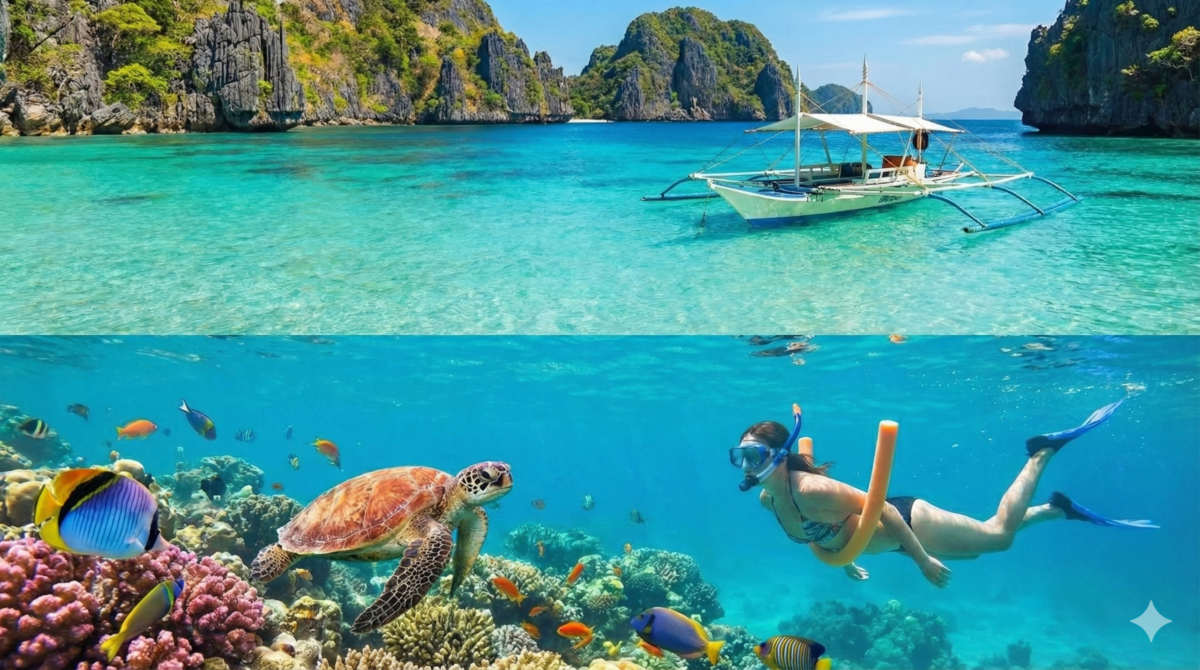
For beginners, the Philippines is especially welcoming because many of its most spectacular sights—like sea turtles, giant clams, and massive schools of sardines—are located in shallow, calm waters just a few meters from the shore. Whether you are gliding over the pristine “house reefs” of a quiet resort or joining a guided boat tour through the limestone lagoons of Palawan, the ease of access is what sets this destination apart. Organizations like PADI highlight the country as a top-tier location for marine enthusiasts of all levels, ensuring that even if you’ve never worn a mask before, you’ll find the experience both safe and life-changing.
Best Snorkeling Spots in the Philippines for Beginners
1. Moalboal (Panagsama Beach), Cebu
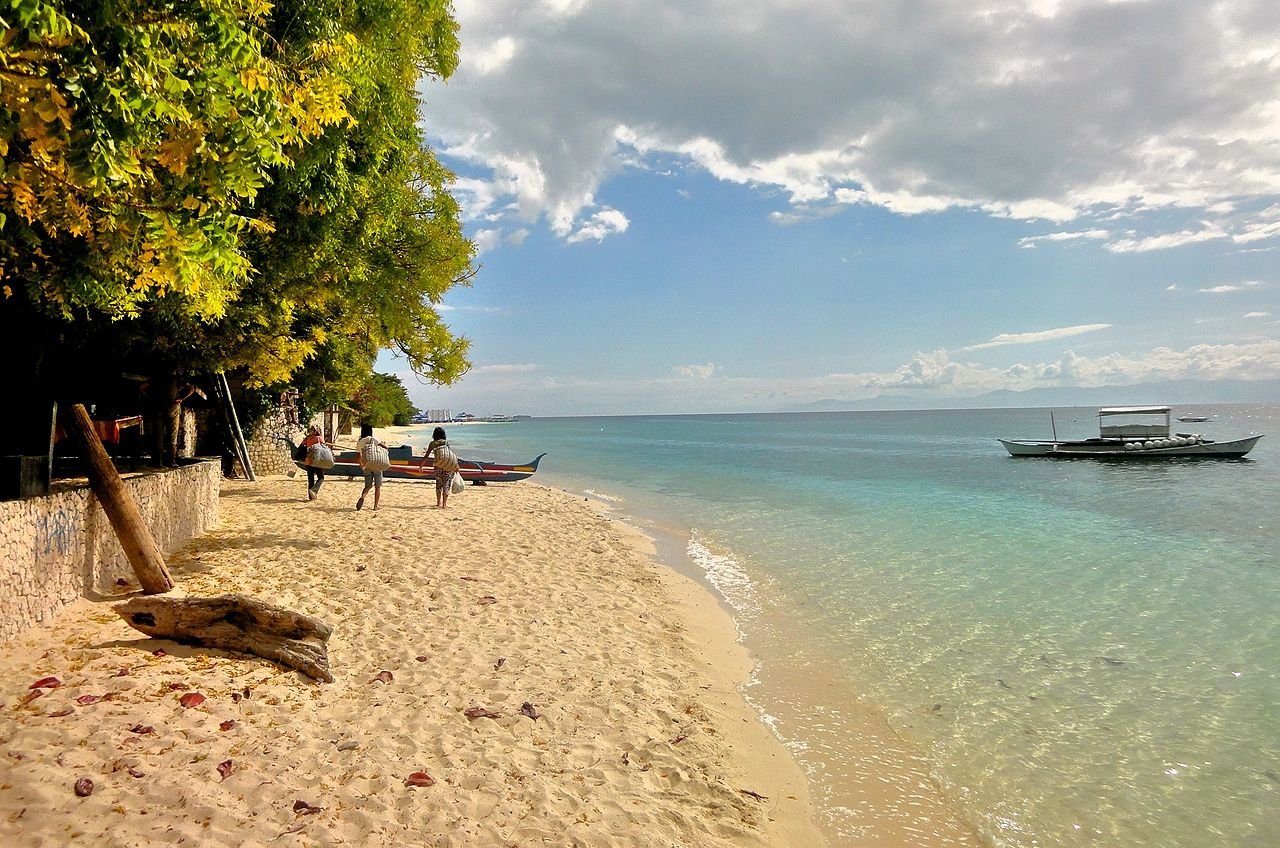
Moalboal is arguably the most convenient location on this list because the main attraction requires no boat at all. Known worldwide for the “Sardine Run,” this spot allows beginners to swim through millions of shimmering sardines just 30 meters from the shoreline. The reef flat is incredibly shallow (0.5 to 2 meters), making it perfect for those still getting comfortable with their breathing. Beyond the sardines, the area is a frequent grazing ground for green sea turtles. According to the Official Cebu Province Tourism portal, Moalboal’s marine managed areas are strictly protected to ensure these natural spectacles remain year-round.
2. Siete Pecados Marine Park, Coron
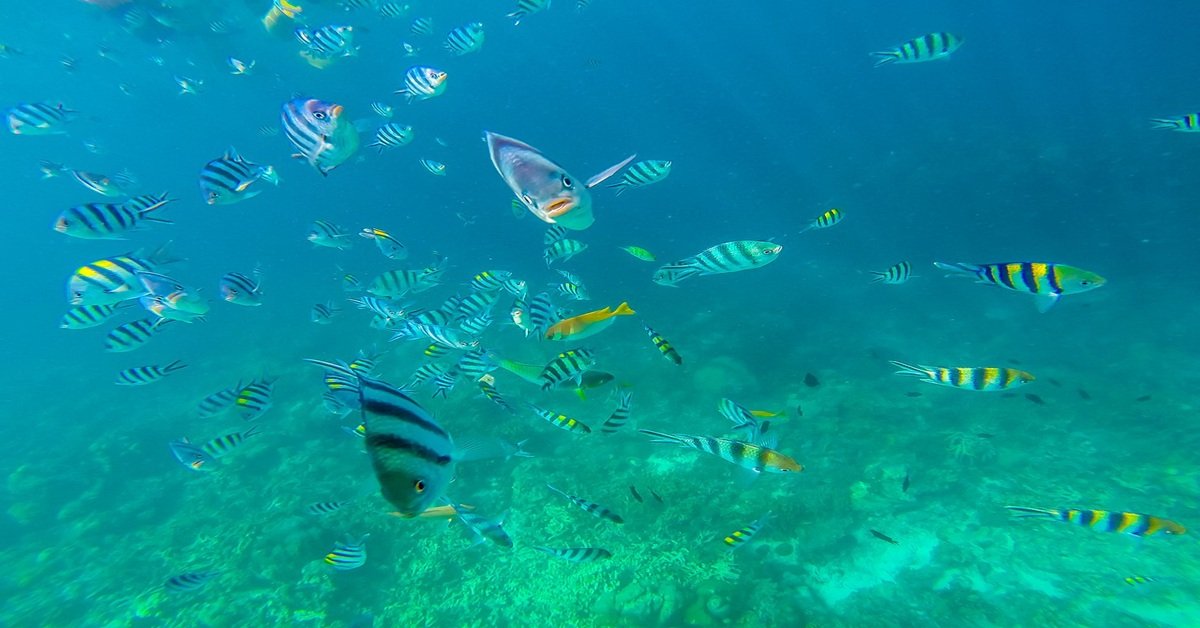
Siete Pecados is often the first stop on Coron island-hopping tours because its waters are exceptionally calm, sheltered by seven limestone islets. For a beginner, this is like snorkeling in a giant, warm aquarium. The coral gardens here are some of the healthiest in Palawan, featuring massive table corals and schools of curious angelfish. The Palawan Council for Sustainable Development (PCSD) oversees the protection of these waters, and local rangers are often on-site to ensure snorkelers follow eco-friendly practices, such as not touching the delicate reef.
3. Apo Island, Negros Oriental
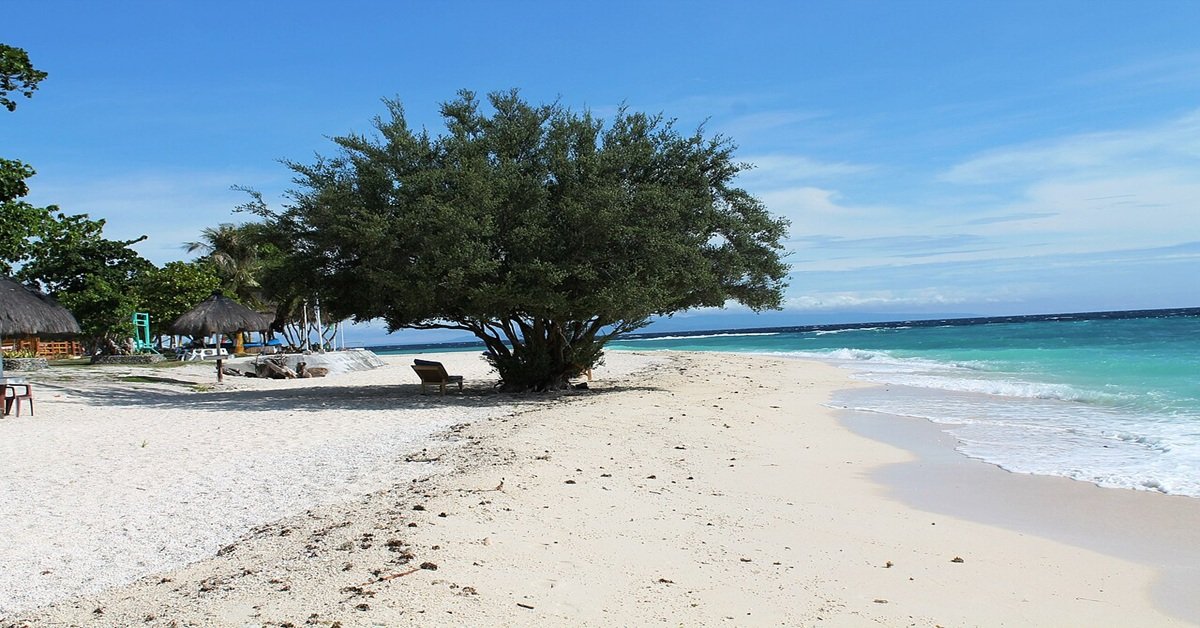
If your dream is to swim with sea turtles, Apo Island is the premier destination. This community-organized marine sanctuary has been a global model for conservation for decades. Beginners can head straight to the “Turtle Sanctuary” right in front of the main beach, where the water is waist-deep. Under the mandatory supervision of local guides, you can watch hawksbill and green sea turtles feeding on seagrass. National Geographic has previously highlighted Apo Island for its successful community-led reef protection, ensuring that even in shallow depths, the biodiversity remains world-class.

4. Balicasag Island Marine Sanctuary, Bohol
Located just a 30-minute boat ride from Alona Beach, Balicasag Island is widely considered one of the best snorkeling spots in the Philippines for encountering massive sea turtles and shimmering schools of jackfish. The sanctuary features a shallow reef flat that extends quite far from the island, allowing beginners to float comfortably in 1 to 3 meters of water while watching “century-old” turtles graze on the seabed. According to the Official Bohol Tourism Website, the island is a strictly managed protected area, which has allowed its marine life to flourish undisturbed for years.
5. Shimizu Island, El Nido
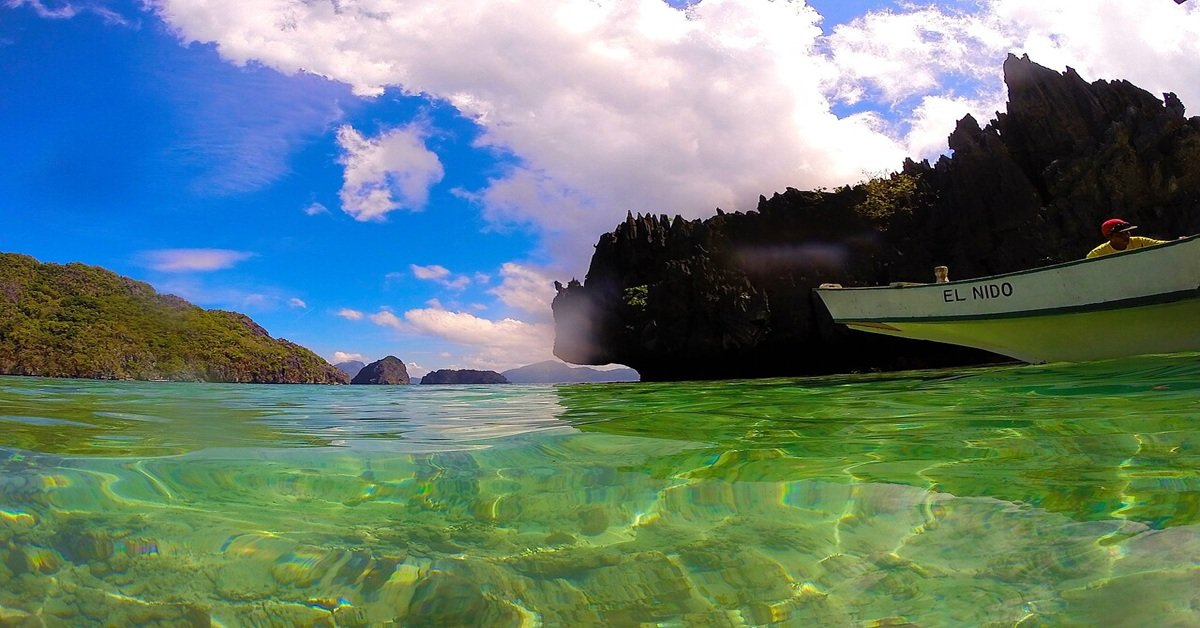
Part of the legendary “Tour A” in El Nido, Shimizu Island is a beginner’s paradise tucked between towering limestone cliffs. What makes this spot ideal for first-timers is its sheltered location; the surrounding rock formations act as a natural barrier against wind and waves, resulting in water as calm as a swimming pool. You’ll find a diverse array of “Nemo” clownfish and vibrant soft corals just a few kicks away from the boat. As noted by Guide to the Philippines, this is a highlight for many visitors due to the sheer clarity of the water and the abundance of reef fish in the shallows.
6. Tubod Marine Sanctuary, Siquijor
For those who prefer to skip the boat tours and snorkel at their own pace, Tubod Marine Sanctuary in Siquijor is a must-visit. This site is located directly in front of the beach and is marked by red buoys that guide you through different zones of the reef. It has been protected for over 30 years, leading to a massive colony of giant clams and exceptionally healthy coral structures. The Siquijor Provincial Tourism Office highlights this sanctuary as a premier eco-tourism site where visitors can see a rich variety of marine biodiversity within just a few meters of the shoreline.
7. Kayangan Lake, Coron
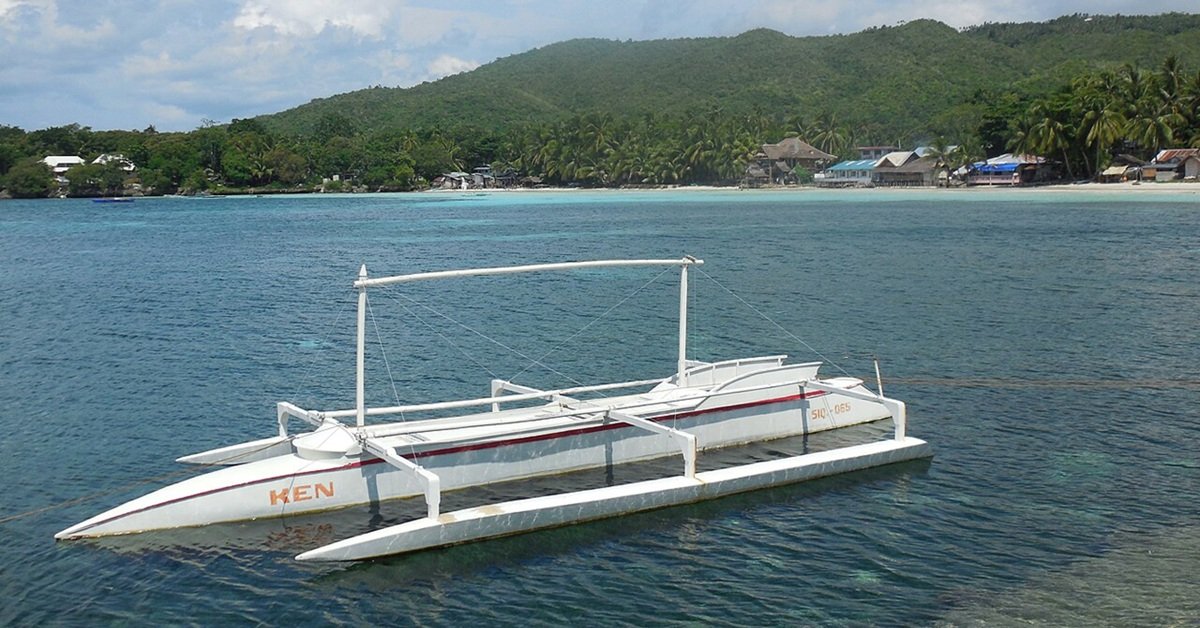
Often called the cleanest lake in Asia, Kayangan Lake offers a surreal experience that is fundamentally different from the ocean spots. Because it is a brackish water lake (a mix of salt and fresh water), it has much lower salinity, making it an excellent practice ground for beginners who find the “sting” of seawater off-putting. The underwater landscape is dominated by dramatic, jagged limestone formations that look like a submerged lunar world.
While there are fewer colorful corals here, the crystal-clear visibility—often exceeding 40 meters—is world-renowned. As the Indigenous Tagbanua people are the ancestral guardians of this sacred lake, visitors are required to wear life vests at all times, providing an extra layer of safety for those who aren’t confident swimmers.
8. Anilao (Twin Rocks), Batangas
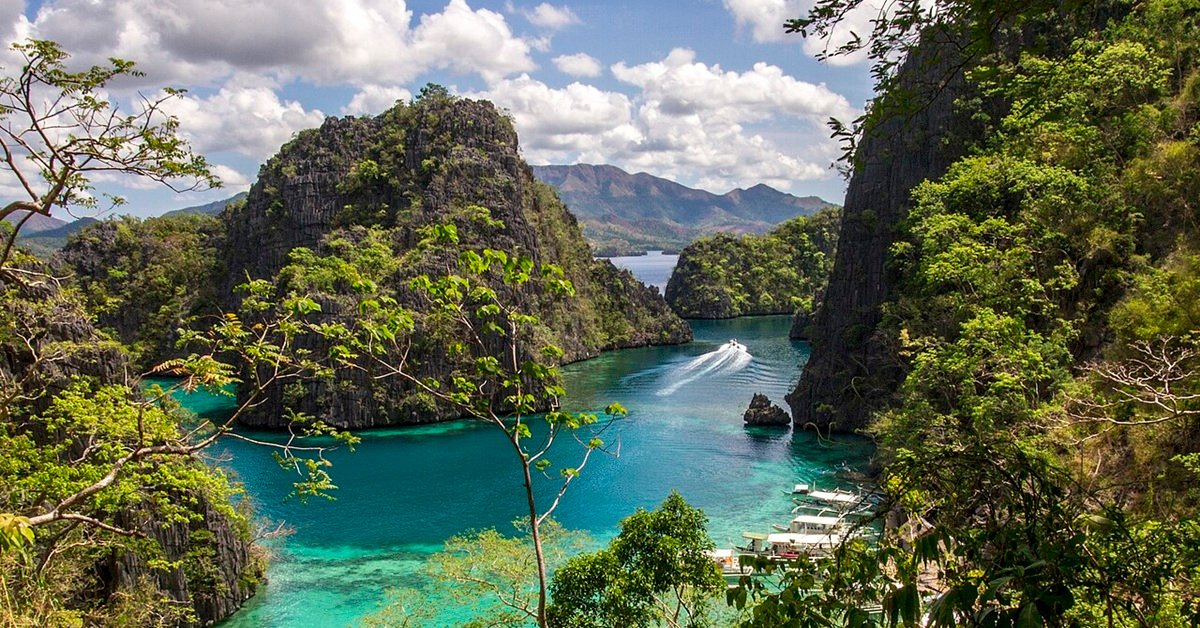
Just a few hours’ drive from Manila, Anilao is the “nudge” many beginners need to fall in love with the ocean. Twin Rocks is the most famous shore-entry site in the area, meaning you can simply walk into the water from the beach and find yourself surrounded by life. It is home to several giant clams and a resident school of jacks that often circle snorkelers in the shallows. According to Zublu Diving, Anilao is a global hotspot for biodiversity, often called the “Nudibranch Capital of the World,” where even in knee-deep water, you can spot colorful sea slugs and clownfish.
9. Nalusuan Island Marine Sanctuary, Cebu
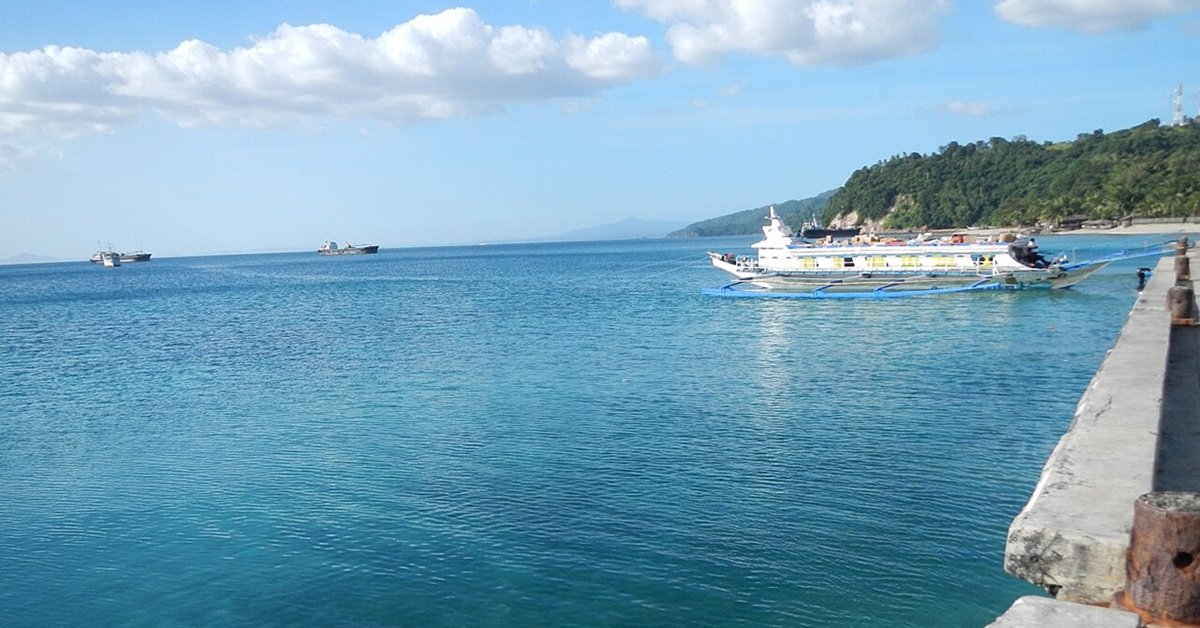
Nalusuan Island is a tiny man-made island that sits in the middle of a vast, shallow marine sanctuary. The highlight for beginners is the long wooden pier; as soon as you step off the stairs into the water, you are instantly swarmed by hundreds of friendly tropical fish. The water remains shallow (about 1 to 2 meters) for a long distance, making it one of the safest environments for children and first-timers. The Official Nalusuan Resort & Marine Sanctuary site notes that the area is strictly “no fishing,” which has resulted in marine life that is remarkably unafraid of humans.
10. Port Barton (Twin Reef), Palawan
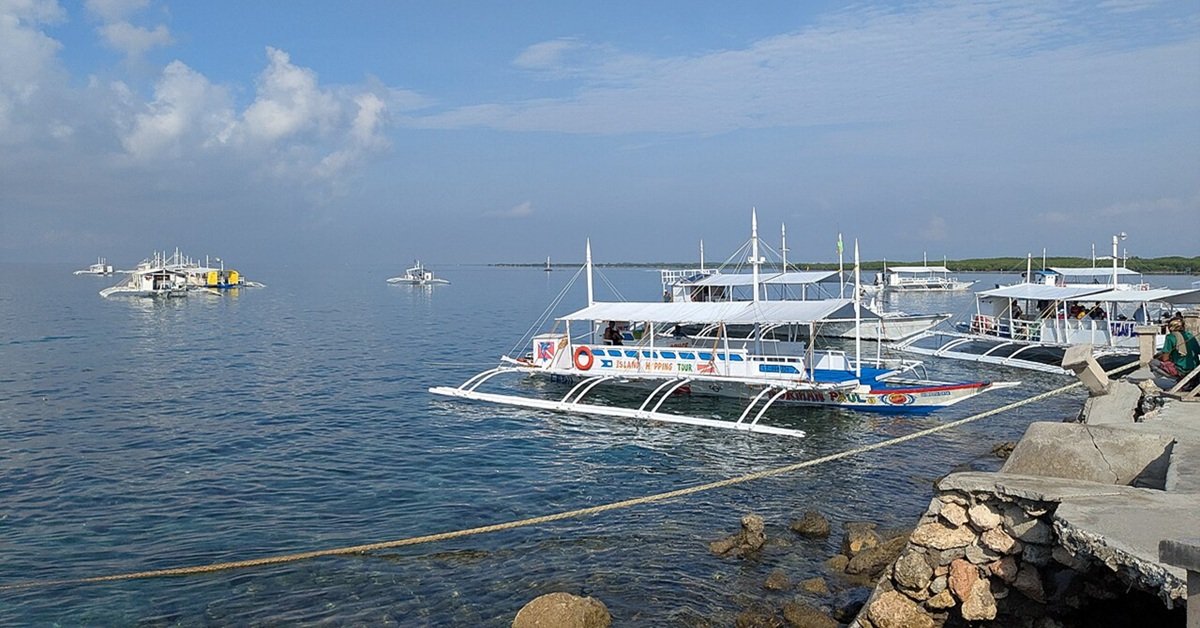
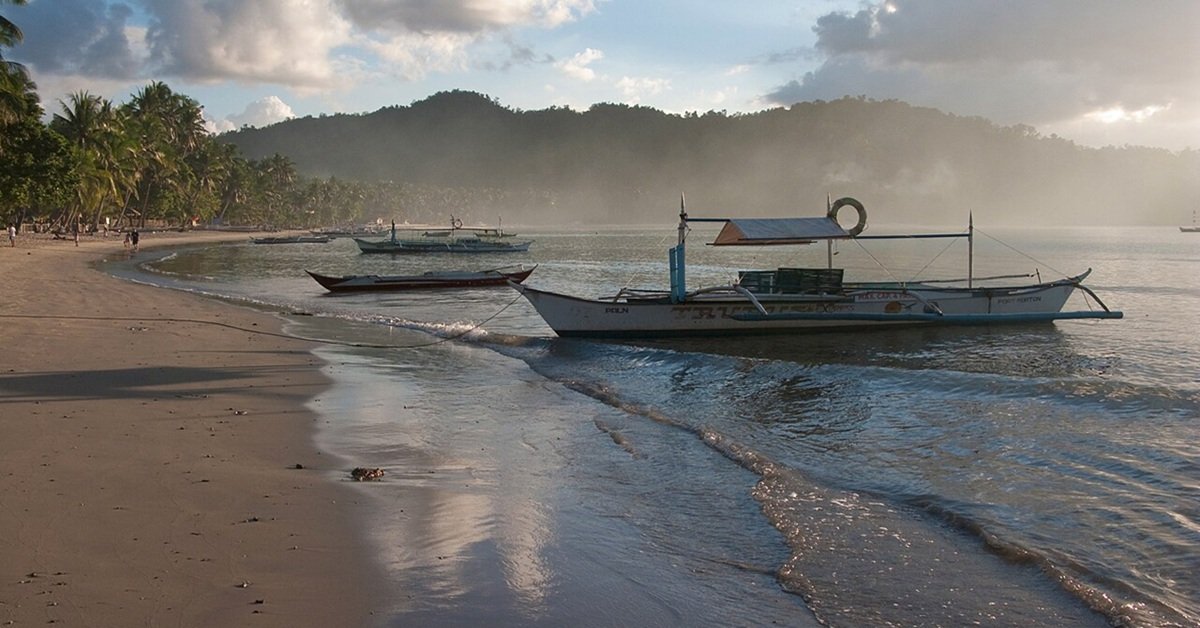
If you find the crowds of El Nido overwhelming, Port Barton is your quiet alternative. Its “Twin Reef” is a sprawling coral garden that sits in very shallow water, often just a meter below the surface at low tide. This makes it incredibly easy to see every detail of the soft and hard corals without having to dive down. Port Barton is also famous for its “Starfish Island,” a sandbar where you can snorkel in waist-deep water to see dozens of large, orange chocolate-chip sea stars. Local guides, often recognized for their sustainable tourism efforts by Palawan Tourism, are highly skilled at helping beginners spot “Nemo” hiding in the anemones.
Essential Tips for First-Time Snorkelers
Even at the best snorkeling spots in the Philippines, a little preparation goes a long way in ensuring your first underwater experience is comfortable and safe. If you’ve never put on a mask before, keep these tips in mind:
-
Master the “Defog” Trick: A foggy mask is the quickest way to ruin a view. Before heading out, rub a small amount of baby shampoo or specialized defogger solution on the inside of the lens and rinse it quickly.
-
Trust Your Life Vest: In the Philippines, boat operators almost always provide life vests. Even if you are a strong swimmer, wearing one allows you to float effortlessly on the surface, which prevents you from accidentally kicking or stepping on fragile coral.
-
The “Look But Don’t Touch” Rule: Coral is a living organism, not a rock. Touching it can kill the polyps and potentially cause you a painful “coral burn” or scrape.
-
Use Reef-Safe Sunscreen: Traditional sunscreens contain chemicals like oxybenzone that contribute to coral bleaching. Organizations like Save the Reef recommend using mineral-based sunscreens (zinc oxide or titanium dioxide) to protect both your skin and the ocean.
-
Check the Tide: Many of the shallowest reefs, like those in Port Barton or Moalboal, are best visited during “mid-tide.” If the tide is too low, you may find the coral too close to the surface to swim over safely.
Conclusion
The Philippines is more than just a tropical getaway; it is a gateway to one of the most biodiverse ecosystems on Earth. From the swirling sardine runs of Cebu to the ancient sea turtles of Apo Island, the best snorkeling spots in the Philippines prove that you don’t need a scuba tank to witness the magic of the ocean. By choosing the best snorkeling spots in the Philippines with calm waters and shallow reefs, you can build your confidence while creating memories that will last a lifetime.
As you plan your trip, remember that the health of these reefs depends on responsible tourism. By following local regulations and practicing “leave no trace” principles, you help ensure that these underwater paradises remain vibrant for generations to come. For more information on how to travel sustainably in the region, visit the Department of Tourism – Philippines official portal.
Book Snorkeling in Philippines
Frequently Asked Questions
Q. When is the best time of year to go snorkeling in the Philippines?
A. The ideal time is during the dry season, which runs from November to May. For the clearest water and calmest seas, aim for the "summer" months of March, April, and May. During the rainy season (June to October), visibility can be reduced by runoff and waves. You can check seasonal weather patterns via the PAGASA (Official Weather Bureau) website.
Q. Do I need to bring my own snorkeling gear?
A. It isn't strictly necessary, as almost every boat tour and beachfront resort offers rentals for a small fee (usually around 150–300 PHP). However, for hygiene reasons and a better fit, many travelers prefer to bring their own mask and snorkel.
Q. Is it safe to snorkel if I am not a strong swimmer?
A. Yes! Most beginner-friendly spots allow you to wear a life jacket or use a flotation "noodle." Additionally, many tours in places like El Nido and Coron are heavily regulated, and guides are trained in water safety.
Q. Are there dangerous animals in the water?
A. While the Philippines is home to sea snakes and jellyfish, encounters that result in injury are rare. Most marine life is shy and will avoid you. To stay safe, always avoid touching anything, wear a rash guard to protect against stings, and follow your guide’s instructions.
Q. How much does a typical snorkeling tour cost?
A. Prices vary by location, but a shared group tour usually costs between 1,200 and 2,500 PHP ($21 - $45 USD) per person. This typically includes boat transport, a guide, life vests, and often a buffet lunch on the beach.
Q. Do I need to pay environmental fees
A. Yes, most protected marine sanctuaries (like Apo Island or Siete Pecados) charge a small "Environmental Fee" or "Sanctuary Fee" ranging from 50 to 300 PHP. These funds are used by local government units to maintain the health of the reefs.