Best Time to Visit Iceland for Northern Lights
The Best Time to Visit Iceland for Northern Lights
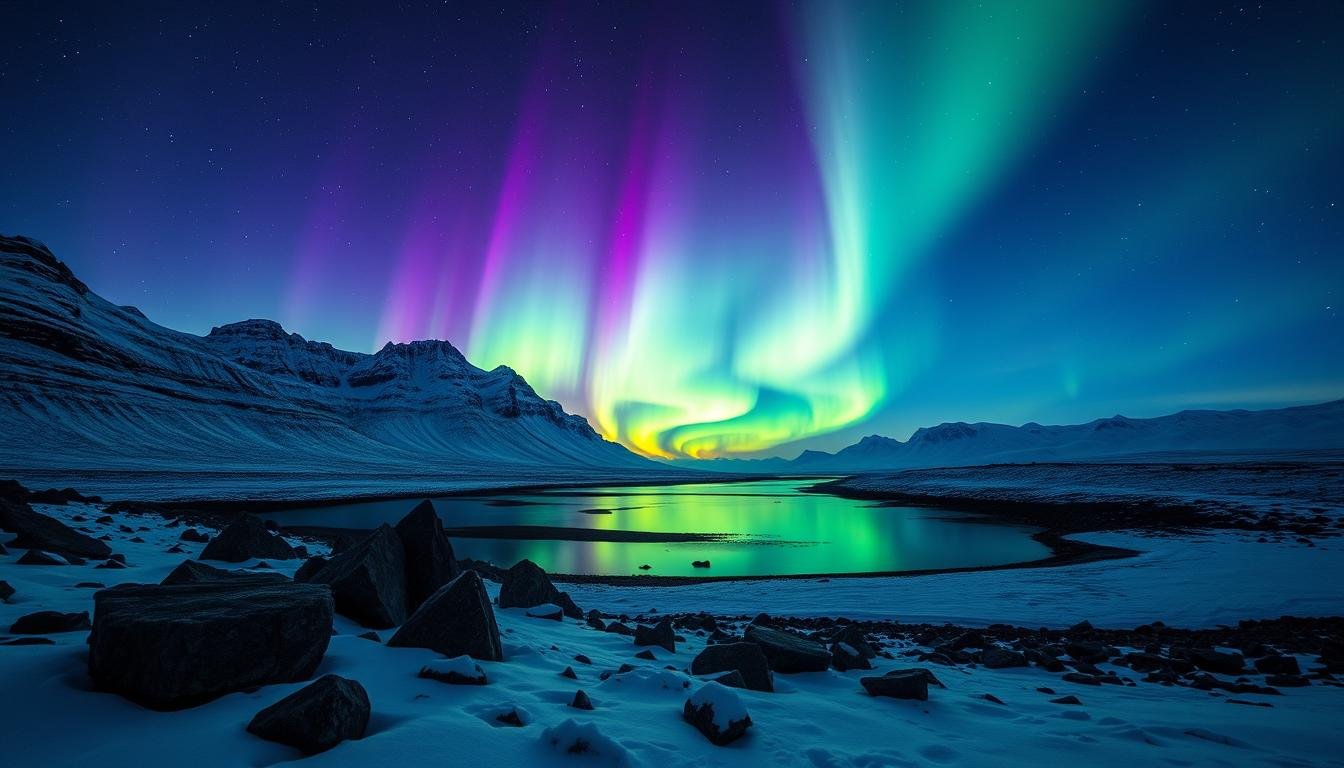
Iceland is a land of fire and ice, where glaciers meet volcanoes and waterfalls tumble into black sand beaches. Yet for many travelers, the greatest spectacle isn’t on the ground — it’s in the sky. The Northern Lights, or aurora borealis, transform Iceland’s long winter nights into a canvas of shimmering greens, purples, and pinks. If you’re planning a trip, you’re probably wondering: When is the best time to visit Iceland for Northern Lights? This guide will give you everything you need to plan the perfect aurora adventure.
What Causes the Northern Lights?
The aurora borealis is a natural phenomenon caused by charged solar particles colliding with Earth’s magnetic field. These collisions release energy in the form of light, creating the dancing ribbons we see in the sky.
- Latitude advantage: Iceland sits just south of the Arctic Circle, making it one of the most accessible places to see the aurora without venturing into remote polar regions.
- Low light pollution: Outside Reykjavik, Iceland’s rural landscapes provide dark skies ideal for aurora viewing.
- Geomagnetic activity: Solar storms and equinoxes often intensify aurora displays, making certain months more favorable.
Understanding the science adds depth to the experience — you’re not just watching lights, you’re witnessing cosmic energy interacting with our planet.
Best Time to Visit Iceland for Northern Lights
The best time to visit Iceland for Northern Lights is between late September and early April, when nights are long and skies are dark. Let’s break down the aurora season:
- September to October:
- Nights grow longer, but temperatures remain relatively mild.
- The autumn equinox often brings heightened geomagnetic activity.
- Ideal for travelers who want aurora plus fall colors and fewer crowds.
- November to February:
- Deep winter darkness offers maximum aurora visibility.
- Long nights (up to 20 hours of darkness in December) increase chances.
- Downsides: unpredictable weather, snowstorms, and icy roads.
- Upside: magical winter landscapes, ice caves, and festive atmosphere.
- March to early April:
- Nights are still long enough for aurora viewing.
- The spring equinox boosts geomagnetic activity again.
- Weather begins to improve, making travel easier.
Avoid summer months (May to August). The midnight sun keeps skies bright, making aurora sightings impossible.
Best Time of Night and Weather Conditions
Timing matters as much as the season. The aurora is most active between 9 PM and 2 AM, though it can appear anytime during dark hours.
- Clear skies: Cloud cover is the biggest obstacle. Always check the Icelandic Met Office cloud cover map before heading out.
- Aurora forecasts: Websites like SpaceWeatherLive provide real-time predictions of geomagnetic activity.
- Patience required: The aurora can appear suddenly and vanish within minutes. Dress warmly and be prepared to wait.
Top Places in Iceland to See the Northern Lights
While the aurora can appear anywhere in Iceland, some locations offer particularly stunning backdrops:
- Thingvellir National Park: A UNESCO World Heritage site near Reykjavik, with minimal light pollution and dramatic rift valleys.
- Jökulsárlón Glacier Lagoon: Watch aurora reflections dance across floating icebergs.
- Kirkjufell Mountain (Snæfellsnes Peninsula): One of Iceland’s most photographed peaks, often framed by aurora arcs.
- Eastfjords and North Iceland: Remote, quiet, and aurora-rich, perfect for travelers seeking solitude.
- Akureyri: The “Capital of the North,” offering both urban amenities and nearby dark-sky locations.
Each location combines aurora viewing with unique landscapes, making your photos unforgettable.
Guided Tours vs. DIY Aurora Chasing
Should you book a guided tour or chase the lights yourself? Both options have advantages:
- Guided tours:
- Expert guides know the best viewing spots.
- Tours often include warm gear, hot drinks, and photography tips.
- Flexible itineraries — guides track aurora forecasts and adjust routes.
- DIY chasing:
- Greater freedom to explore at your own pace.
- Use aurora apps and cloud maps to plan nightly excursions.
- Renting a car allows you to escape light pollution quickly.
If it’s your first trip, a guided tour can reduce stress. Experienced travelers may prefer the independence of DIY chasing.
What to Pack for a Winter Aurora Trip
Aurora chasing means spending long hours outdoors in freezing temperatures. Pack smart:
- Clothing: Thermal base layers, insulated jackets, waterproof pants, and gloves.
- Footwear: Waterproof, insulated boots with good traction.
- Photography gear: DSLR or mirrorless camera, tripod, wide-angle lens, and extra batteries (cold drains them fast).
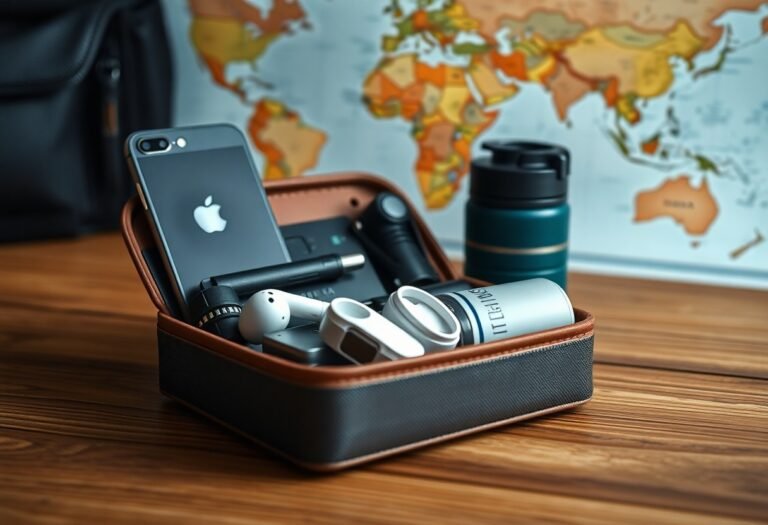
- Essentials: Snacks, hot drinks, headlamp, and portable charger.
Pro tip: Practice your camera settings before the trip. Long exposures (10–20 seconds) and high ISO (800–1600) are key to capturing aurora detail.
Bonus: Other Winter Activities in Iceland
Aurora chasing is just one highlight of Iceland’s winter season. Combine it with other adventures:
- Ice cave tours: Explore crystal-blue caves inside Vatnajökull Glacier.
- Glacier hikes: Strap on crampons and trek across ancient ice.
- Hot springs: Relax in geothermal pools like the Blue Lagoon or Mývatn Nature Baths.
- Snowmobiling: Race across Langjökull Glacier under the stars.
- Cultural experiences: Winter festivals, Icelandic sagas, and cozy cafés.
These activities ensure your trip is memorable even if the aurora doesn’t appear.
Conclusion
The best time to visit Iceland for Northern Lights is during the dark winter months from September to April, with October and March offering especially strong aurora activity. Whether you join a guided tour or chase the lights yourself, Iceland’s landscapes and celestial displays will leave you breathless.
Plan ahead, pack wisely, and stay flexible — the aurora is unpredictable, but that’s part of its magic. When it finally appears, you’ll understand why travelers call it a life-changing experience.
FAQ
Q: Can I see the Northern Lights in Reykjavik?
A: Yes, but light pollution makes it harder. Drive 30–60 minutes outside the city for better visibility.
Q: What’s the best month for Northern Lights in Iceland?
A: October and March are ideal due to equinox-related geomagnetic activity and relatively mild weather.
Q: Do I need a special camera to photograph the aurora?
A: A DSLR or mirrorless camera with manual settings and a tripod is recommended for capturing long exposures.
Q: Is it guaranteed I’ll see the Northern Lights?
A: No. Aurora sightings depend on solar activity and clear skies. Stay flexible and monitor forecasts.
Q: Can I combine Northern Lights viewing with other activities?
A: Absolutely. Ice caves, hot springs, and glacier hikes make winter in Iceland unforgettable.