Cultural Etiquette Tips for Global Travelers
There’s a wealth of cultural nuances waiting to be discovered as you travel the globe. Your ability to navigate these social expectations can enhance your experience and forge meaningful connections. Being aware of local customs, from greetings to dining etiquette, can prevent unintentional offenses and show respect for the traditions of others. This guide will equip you with important tips to ensure that your travels are not only enjoyable but also culturally enriching.
Key Takeaways:
- Research local customs and traditions to show respect and avoid misunderstandings.
- Be aware of non-verbal communication, as gestures and body language can vary significantly across cultures.
- Adapt your dining etiquette, including table manners and gift-giving practices, to align with local standards.
Understanding Local Customs
Comprehending local customs is important for creating meaningful interactions during your travels. Each culture possesses unique traditions and social norms that may differ significantly from your own. From the way people greet each other to the rituals surrounding dining, being aware of these practices helps foster connections and shows your genuine interest in their culture.
Greeting Etiquette
Greeting etiquette varies widely across cultures. In Japan, for instance, a bow signifies respect, while in many Western countries, a firm handshake is common. Some cultures may prefer verbal greetings, such as “Namaste” in India, which conveys heartfelt respect. Adapting your greetings to local preferences can set a positive tone for your interactions.
Dining Practices
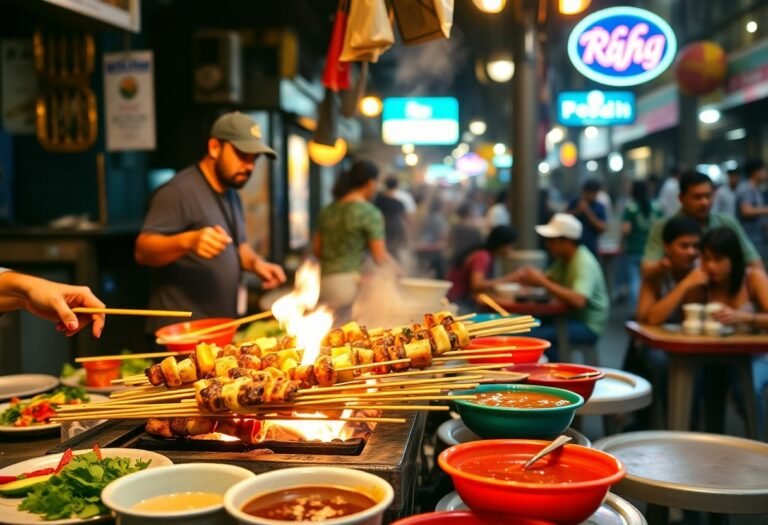
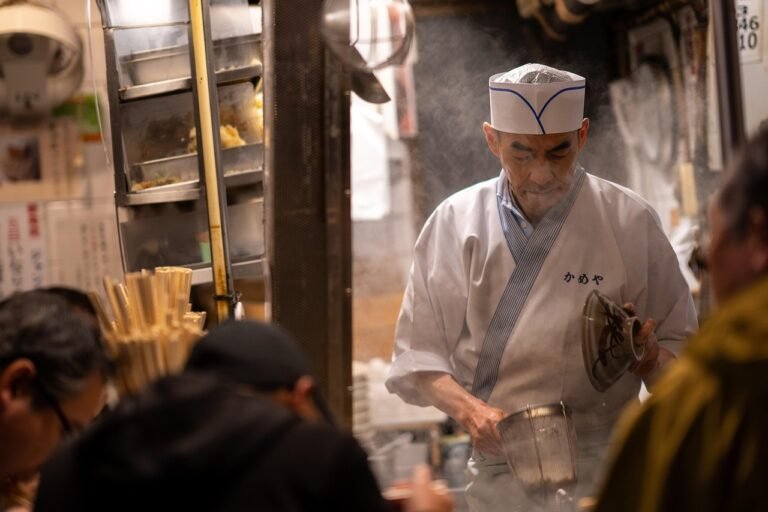
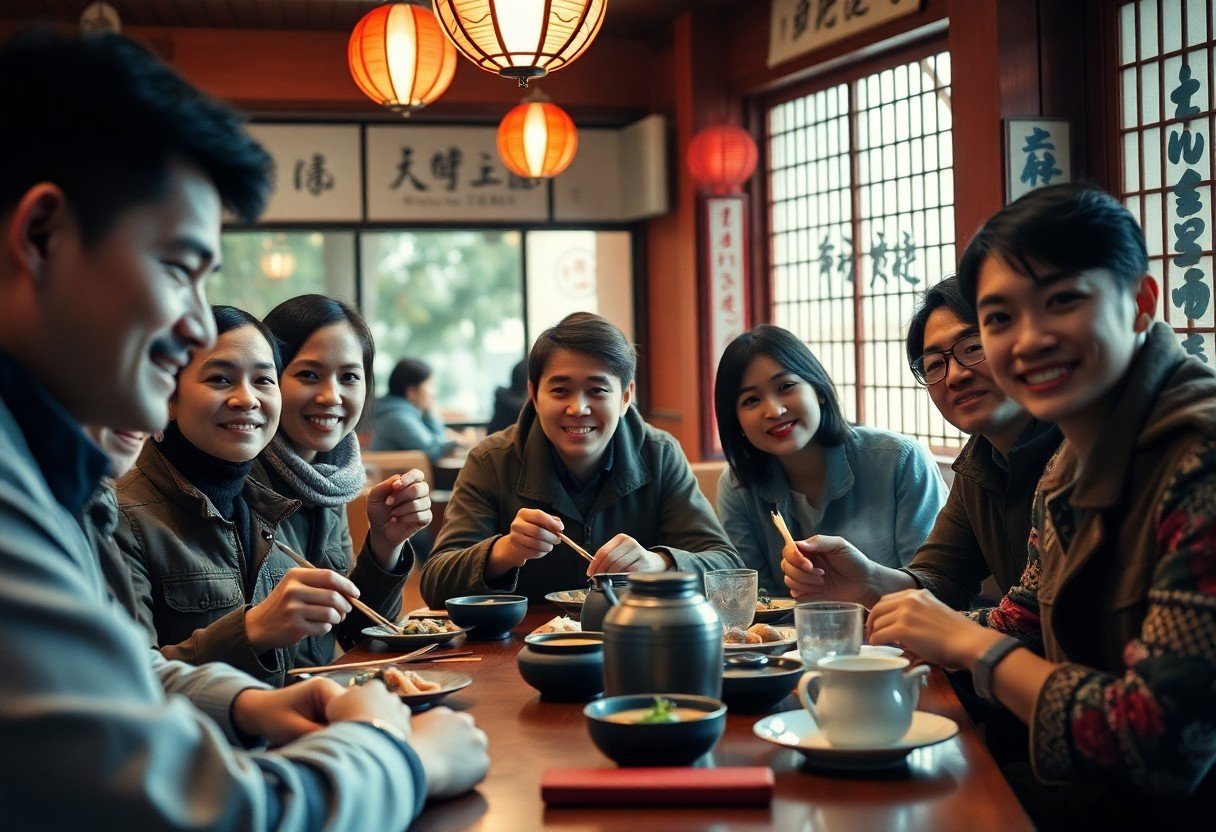
Dining practices reflect cultural values and are important to grasp for a rewarding experience. In Spain, dining is a social affair often lasting several hours, while in the U.S., quick meals may be more normalized. Pay attention to local table manners, as using the wrong utensil or starting to eat before the host can lead to awkward situations.
Particular dining customs can be surprising but informative. In Ethiopia, for example, food is often shared from a communal plate, using only your right hand to eat, which emphasizes community and connection. On the other hand, in countries like Germany, finishing what’s on your plate is a sign of enjoyment and respect for the chef. Familiarizing yourself with these practices not only enhances your experience but also shows respect for the traditions of your hosts.
Clothing Considerations
Your choice of clothing can significantly impact how you are perceived in different cultures. Specific garments may convey respect or offend depending on local traditions. This means that careful selection is necessary for demonstrating awareness and sensitivity towards local customs, enhancing your travel experience.
Dress Codes by Culture
Different cultures have specific dress codes that reflect their values and traditions. For instance, in many Middle Eastern countries, both men and women should wear modest clothing, often covering arms and legs. In contrast, some Southeast Asian locales may welcome more casual attire, though it’s best to opt for smart-casual to avoid any unintentional disrespect.
Modesty Guidelines
Modesty can vary significantly worldwide, influencing your clothing choices while traveling. In conservative societies, wearing loose-fitting clothing is often advised, while in more liberal environments, you might enjoy greater freedom in your attire-but staying within cultural bounds is imperative.
For example, when visiting countries like Saudi Arabia or Iran, you should cover your arms and legs completely, opting for long sleeves and trousers. In many Asian and African cultures, loose and breathable fabrics will help you stay comfortable while blending in respectfully. Conversely, in European cities, casual yet stylish outfits are typically acceptable, but overly revealing attire can still attract negative attention. Being aware of these guidelines not only reflects your consideration but also enriches your cultural experiences.
Communication Styles
Effective communication greatly varies across cultures, influencing your interactions significantly. Understanding these styles can enhance your travel experience, allowing for more meaningful connections. For instance, some cultures prioritize directness and clarity while others value subtlety and context. Adjusting your approach based on local styles can foster better relationships and prevent misunderstandings.
Verbal Communication
When engaging in verbal communication, recognize that the tone, volume, and choice of words are interpreted differently around the world. In some cultures, using formal language and titles is customary, while others may embrace a casual approach. Misusing formalities can unintentionally offend. Tailor your language to suit local preferences, ensuring your message is well-received.
Non-Verbal Cues
Non-verbal communication, including gestures, facial expressions, and eye contact, plays a substantial role in how your messages are understood. Different cultures assign various meanings to the same non-verbal cues. For example, while a thumbs-up is positive in many places, it can be offensive in others. Being sensitive to these differences can enhance your interactions.
Familiarizing yourself with non-verbal communication can be enlightening. For example, maintaining eye contact signifies confidence and honesty in Western cultures but may be perceived as disrespectful in certain Asian cultures. Additionally, personal space varies significantly; in some countries, close proximity indicates warmth and trust, while in others, it can be intrusive. Observing and adapting to these cues immediately can improve your interpersonal dynamics and show respect for the host culture’s norms.
Tipping Practices
Tipping varies significantly across cultures, and understanding these differences can enhance your travel experience. In the U.S., it’s common to tip 15-20% at restaurants, while countries like Japan discourage tipping altogether as it may be seen as rude. In contrast, some European nations include service charges in the bill but still appreciate a small gratuity. Being aware of local customs will help you navigate these practices respectfully.
Differences Around the World
Your tipping etiquette may need adjustment depending on where you are. For example, in Mexico, a small tip of 10% is appreciated, while in Australia, tipping is generally not expected, as workers receive higher wages. In contrast, countries like India and Egypt often rely on tips as a significant portion of service workers’ income, so leaving a bit extra can be beneficial.
When Not to Tip
Not every situation calls for a tip. In many countries, tipping is not customary in certain establishments, like upscale restaurants where service charges are included. Additionally, in some cultures, showing appreciation through tipping may be perceived as an insult, indicating a lack of respect for the service provided. Familiarizing yourself with local customs is necessary to avoid any cultural faux pas.
For instance, in Japan, tipping can confuse or offend service workers, as excellence in service is expected and included in the price. In places such as South Korea and Iceland, tipping is not customary and can even be seen as impolite. Always check local practices before offering a gratuity to ensure you’re showing appreciation in an appropriate manner.
Respecting Traditions and Beliefs
Being aware of local traditions and beliefs is fundamental for a positive travel experience. Each culture has unique practices that hold deep significance, and showing respect for these traditions fosters goodwill and connection. Engaging in the local customs, whether through food, rituals, or simple gestures, enriches your travels and demonstrates appreciation for the heritage around you.
Religious Customs
When visiting religious sites, adhere to specific protocols. Many cultures enforce strict dress codes, such as covering shoulders and knees in places like temples in Southeast Asia. Be mindful of local prayer times and practices, ensuring you do not disrupt services. Understanding these customs not only shows respect but also grants you a deeper insight into the spiritual life of the community.
Festivals and Celebrations
Participating in local festivals provides a vibrant glimpse into a culture’s identity. Each celebration is steeped in historical significance and communal joy. Engaging with locals during these events can lead to memorable experiences, allowing you to appreciate the uniqueness of a culture’s traditions.
Local festivals, such as the Holi festival in India or Oktoberfest in Germany, offer live demonstrations of community spirit and heritage. You might find yourself throwing colored powders, tasting traditional dishes, or dancing alongside locals. Since many countries celebrate specific events, researching festival dates before your trip can enhance your itinerary. Embracing these occasions not only broadens your worldview but also fosters connections with communities, creating unforgettable memories that resonate long after your journey ends.
Tips for Cultural Engagement
- Engage with locals
- Respect traditions
- Participate actively
To truly immerse yourself in a culture, effective engagement is key. Seek out opportunities to converse with locals, participate in their traditions, and show genuine interest. When you attend local events or ceremonies, dress appropriately and adhere to established customs. Assume that your proactive involvement will lead to richer experiences and foster deeper connections with the community.
Learning Local Languages
Even a basic understanding of the local language can enhance your interactions and show respect. Words like “hello,” “thank you,” and “please” go a long way. Using local phrases not only demonstrates your effort but can also bridge cultural gaps. Strongly consider utilizing language apps or taking short classes to build your vocabulary before your trip.
Participating in Community Activities
Active participation in community activities can significantly enrich your travel experience. Engage in local volunteer opportunities, such as environmental clean-ups or community festivals. Many regions host workshops that teach traditional crafts or cooking classes, allowing you to learn while forming connections with residents. Embrace these activities to deepen your understanding of local culture and contribute positively to the community you’re visiting.
Participating in community activities not only provides insight into the daily lives and values of locals but also fosters goodwill and reciprocity. For instance, joining a local dance or music group can introduce you to a network of friends who share a passion for your interests. By sharing your skills or insights in exchange, you create a two-way cultural exchange that resonates well beyond your travels. It’s a rewarding way to build relationships and leave a positive footprint in the community. Assume that these shared experiences will lead to lasting memories and friendships that enhance your journey.
Summing up
Ultimately, by adopting a respectful approach to cultural etiquette, you enhance your travel experience and forge meaningful connections with local communities. Embrace the opportunity to learn about diverse customs, dress appropriately, and communicate with sensitivity in various cultural contexts. Your willingness to adapt and observe will not only enrich your journey but also demonstrate appreciation for the traditions that make each destination unique.
FAQ
Q: What are some general cultural etiquette tips for global travelers?
A: Familiarize yourself with local customs, greetings, and gestures. Always use polite language and express gratitude. Observing dress codes in religious sites and public spaces shows respect. Avoid sensitive topics in conversations, particularly politics and religion.
Q: How should I behave when dining in a foreign country?
A: Each culture has specific dining etiquette. Use utensils as appropriate; some cultures may prefer eating with hands. Wait for the host to begin before starting your meal, and thank them at the end. Declining food can be considered impolite, so sample what is offered.
Q: Are there specific gestures I should avoid while traveling?
A: Yes, certain gestures can be offensive in different cultures. For example, the “thumbs up” sign may be seen as rude in some places. Be cautious with hand signals and avoid pointing. When in doubt, observe local behavior.
Q: How should I address people in different cultures?
A: Use titles and surnames until invited to use first names. In some cultures, addressing someone with their professional title is a sign of respect. Additionally, incorporate local language greetings, as this can enhance rapport.
Q: What are some tips for attending local festivals and events?
A: Participate respectfully by observing and following local customs. Inquire about expected attire and practices. Engage with locals if appropriate, but don’t dominate conversations. Being open and adaptable enhances the experience while showing appreciation for the culture.