Delhi Street Food Survival Guide: 7 Essential Rules to Avoid ‘Delhi Belly’
Walk down any lane in Delhi—whether it’s the chaotic, narrow alleys of Chandni Chowk or the bustling markets of Lajpat Nagar—and your senses are immediately hijacked. You hear the hiss of potato patties hitting boiling oil, you see mountains of bright orange jalebis, and you smell an intoxicating mix of coriander, cumin, and charcoal smoke.
For any traveler, Delhi’s street food scene isn’t just a meal; it is the beating heart of the city’s culture. It is where life happens.
But let’s address the elephant in the room.
If you are planning a trip to India, you have almost certainly been warned about “Delhi Belly.” Family members have probably begged you to stick to hotel buffets, and you might have packed enough Imodium to treat a small army. The fear is valid—hygiene standards in India are different from the West, and travelers’ tummies are notoriously sensitive to new bacteria.
However, completely skipping the street food means missing out on the very soul of Delhi.
Here is the good news: You don’t have to choose between an authentic culinary adventure and your health. Millions of locals and savvy travelers eat on these streets every day without issue. The secret isn’t an iron stomach; it’s knowing exactly what to order, where to look, and how it’s prepared.
In this survival guide, we are going to walk you through the 7 essential rules of street food safety. From the “boil it” mantra to the truth about chutneys, here is how to navigate Delhi’s delicious chaos without getting sick.
The 7 Essential Rules to Avoid Getting Sick
You don’t need a degree in microbiology to eat safely in Delhi, but you do need to follow a strict set of protocols. Think of these not as restrictions, but as your “armor” against bad bacteria.
Rule #1: Follow the Crowd (High Turnover is Key)
The golden rule of street food anywhere in the world, but especially in India: If a stall is empty, keep walking. You want to eat where the locals are eating—specifically, where there is a line. A high turnover rate means the food is being cooked fresh constantly and hasn’t been sitting out growing bacteria in the warm afternoon sun. If you see a crowd of office workers or families waiting for kachoris, get in that line.
Rule #2: Watch It Cook (The “Boil It, Peel It, Cook It” Mantra)
The Centers for Disease Control and Prevention (CDC) advises travelers to “eat food that is cooked and served hot.” In Delhi, this is your best defense. Heat is the great sanitizer. Ensure that whatever you are about to eat is cooked right in front of you.
-
Safe: A samosa bubbling in boiling oil or a dosa coming fresh off a griddle.
-
Risky: A pile of fried snacks that look lukewarm and have been sitting behind glass for an hour.
Rule #3: The Water Warning (No Ice, No Tap)
Water is the #1 cause of “Delhi Belly.” The rule is simple: Never drink tap water. But you must be vigilant about the “hidden” tap water, too. This means refusing ice in your sodas and avoiding fresh juices (like sugarcane juice) unless you are 100% certain they are using filtered water.
-
Tip: When buying bottled water, crush the bottle after you finish it. This prevents unscrupulous vendors from refilling old bottles with tap water and resealing them.
Rule #4: Beware the “Raw” Garnish
You’ve ordered a piping hot, safe plate of Chole Bhature. But just before serving, the vendor sprinkles it with fresh cilantro and chopped onions. Stop them. Raw garnishes are often washed in tap water (if they are washed at all). According to the World Health Organization’s (WHO) Five Keys to Safer Food, raw ingredients require special attention. If you have a sensitive stomach, politely ask for your food “plain” or “without chutney.”
Rule #5: The Golgappa (Pani Puri) Protocol
Pani Puri (also known as Golgappa) is a beloved snack consisting of a hollow, fried ball filled with spiced water. Do not eat this on the street. Since the main ingredient is cold, unboiled water, it is a high-risk item for travelers. If you are dying to try it (and you should, it’s delicious), go to a reputable, hygiene-focused chain like Haldiram’s or Bikanervala. They use mineral water for their pani, giving you the flavor without the fear.
Rule #6: Peel It or Leave It
Fruit is a great snack in Delhi, but only if you are the one doing the work.
-
Safe: Bananas, oranges, lychees, and mangoes that you peel yourself with clean hands.
-
Unsafe: Pre-cut platters of watermelon or papaya sold on carts. These have been exposed to dust, flies, and potentially dirty knives.
Rule #7: Sanitize Like a Surgeon
Delhi is a dusty city, and you will be touching money, rickshaws, and railings. Even if the food is clean, your hands might not be. Carry an alcohol-based hand sanitizer and use it religiously before you touch any food. It’s a simple habit that significantly lowers your risk of ingesting pathogens.
Safe Bets vs. High Risk: What to Order
Now that you know the rules, what should you actually eat? Delhi’s menu is massive, but not all dishes are created equal when it comes to safety. Here is your traffic light system for ordering.
🟢 Green Light: Generally Safe (The “Fried & Hot” Category)
These dishes are your safest introduction to Delhi street food because they are cooked at high temperatures that kill bacteria.
-
Aloo Tikki: These are spiced potato patties that are deep-fried in large vats of oil right before serving. Because the potato is cooked twice (boiled then fried), the risk is minimal.
-
Chole Bhature: A Delhi classic! The Bhatura is a fluffy, deep-fried bread, and the Chole (spiced chickpea curry) simmers in a hot pot all day. Serious Eats describes this as a heavy, indulgent breakfast—perfect for fueling a day of sightseeing.
-
Parathas: Head to the famous Paranthe Wali Gali in Old Delhi. These stuffed flatbreads are shallow-fried in ghee or oil on a scorching hot tawa (griddle). The heat transfer ensures the stuffing (usually potato, cauliflower, or paneer) is safe to eat.
🟡 Yellow Light: Proceed with Caution
These items are delicious but require a quick “safety audit” before you order.
-
Lassis (Yogurt Drink): A staple in the Indian heat.
-
The Risk: The yogurt itself is usually fine (the probiotics help!), but the water or ice added to thin it out can be dangerous.
-
Safety Check: Look for vendors serving it in Kulhars (disposable clay cups). These are single-use and eco-friendly, meaning you don’t have to worry about a glass that was washed in dirty water.
-
-
Momos (Dumplings):
-
The Risk: If they have been sitting in a steamer that isn’t hot enough, the filling (especially meat) can spoil.
-
Safety Check: Ensure they are piping hot. If the vendor pulls one out of a plastic bag and microwaves it—skip it. You want them fresh from the steamer.
-
🔴 Red Light: High Risk for Newbies
If you are on a short trip and can’t afford even a day of downtime, it is best to avoid these street-side versions entirely.
-
Street-Side Meat Dishes:
-
The Risk: In the scorching Delhi heat, raw meat spoils quickly. Street vendors rarely have refrigeration.
-
Better Option: Save the Butter Chicken and Kebabs for busy, established restaurants like Karim’s in Old Delhi, where turnover is high and refrigeration is standard.
-
-
Kulfi (Traditional Ice Cream):
-
The Risk: While delicious, street Kulfi is sometimes made with unpasteurized milk or thickened with questionable agents. According to the Mayo Clinic, unpasteurized dairy is a common source of harmful bacteria like E. coli.
-
Better Option: Buy branded, packaged ice cream or visit a recognized sweet shop.
-
IV. Preparation & Damage Control
Even with the best precautions, travel can be unpredictable. Here is how to prep your body before you fly and what to do if the dreaded “Delhi Belly” strikes.
1. Pre-Trip Prep: Build Your Armor
Many seasoned travelers swear by starting a course of probiotics one week before departure. The goal is to populate your gut with “good” bacteria to help fight off the new, unfamiliar bacteria you will encounter. Consult your doctor, but look for strains like Lactobacillus acidophilus.
2. The “Just in Case” Kit
Do not wait until you are feeling queasy to hunt for a pharmacy. Pack a small kit with these essentials:
-
Oral Rehydration Salts (ORS): Dehydration is the real enemy when you have diarrhea. The World Health Organization (WHO) recommends ORS as the primary treatment to replace lost electrolytes. You can buy packets like Electrol in India, or pack Liquid I.V. from home.
-
Loperamide (Imodium): This stops the frequency of bathroom visits, which is helpful if you have a flight or bus ride to catch. However, use it sparingly—sometimes your body needs to flush out the toxins.
-
Activated Charcoal: Many travelers find this helps absorb toxins and gas, though scientific evidence varies.
3. When to See a Doctor
Most cases of traveler’s diarrhea clear up on their own in 24-48 hours. However, the National Health Service (NHS) advises seeking medical help if you experience:
-
Signs of severe dehydration (dizziness, dark urine).
-
High fever or blood in your stool (dysentery).
-
Symptoms that last longer than a few days.
-
Note: Delhi has excellent private hospitals (like Apollo or Max Healthcare) where English is spoken and care is world-class.
Where to Go: Old Delhi vs. New Delhi
Delhi is essentially two cities in one, and the street food experience changes drastically depending on which side of the “border” you are on. Here is where to look for the best bites.
Old Delhi: The Authentic “Hard Mode”
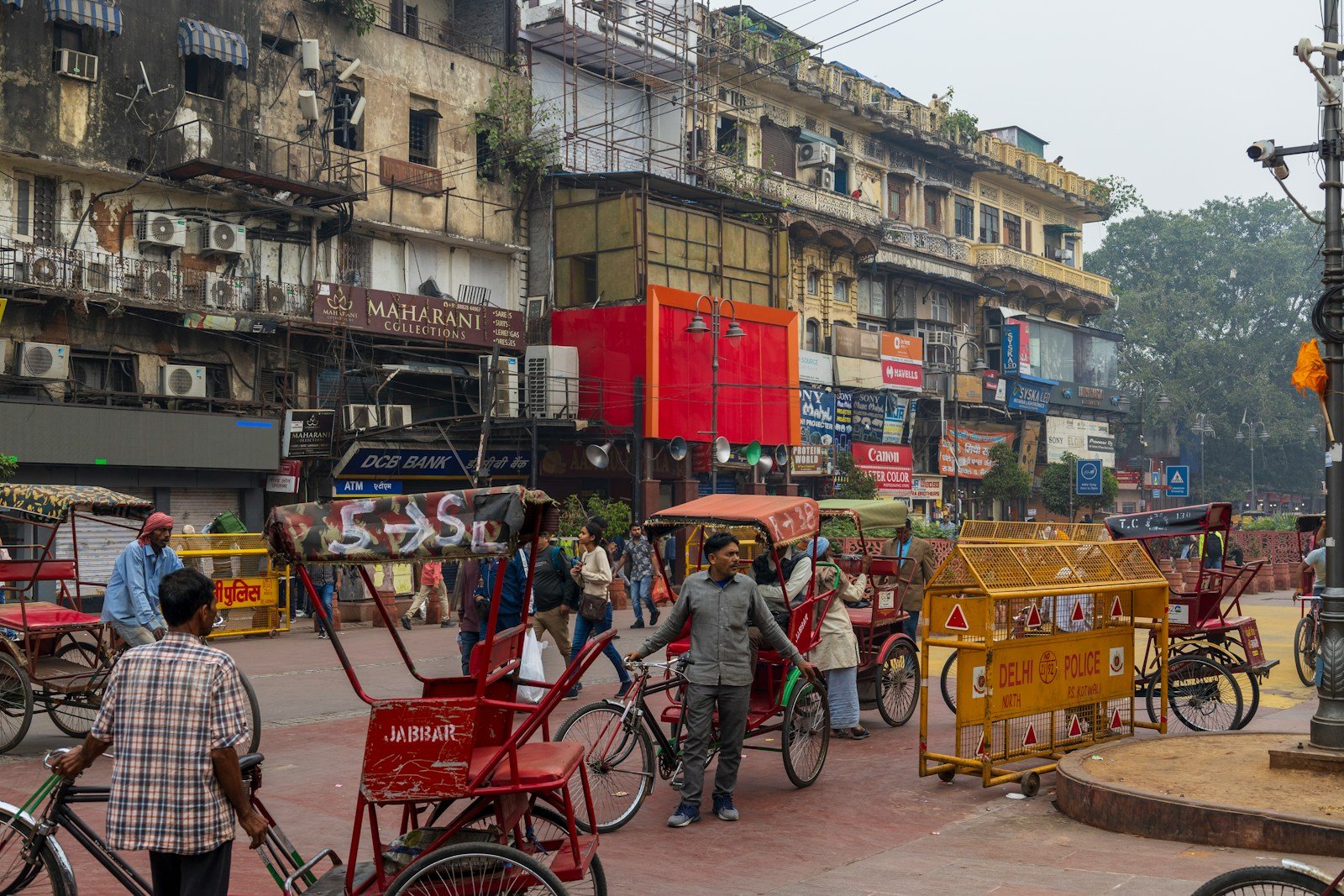
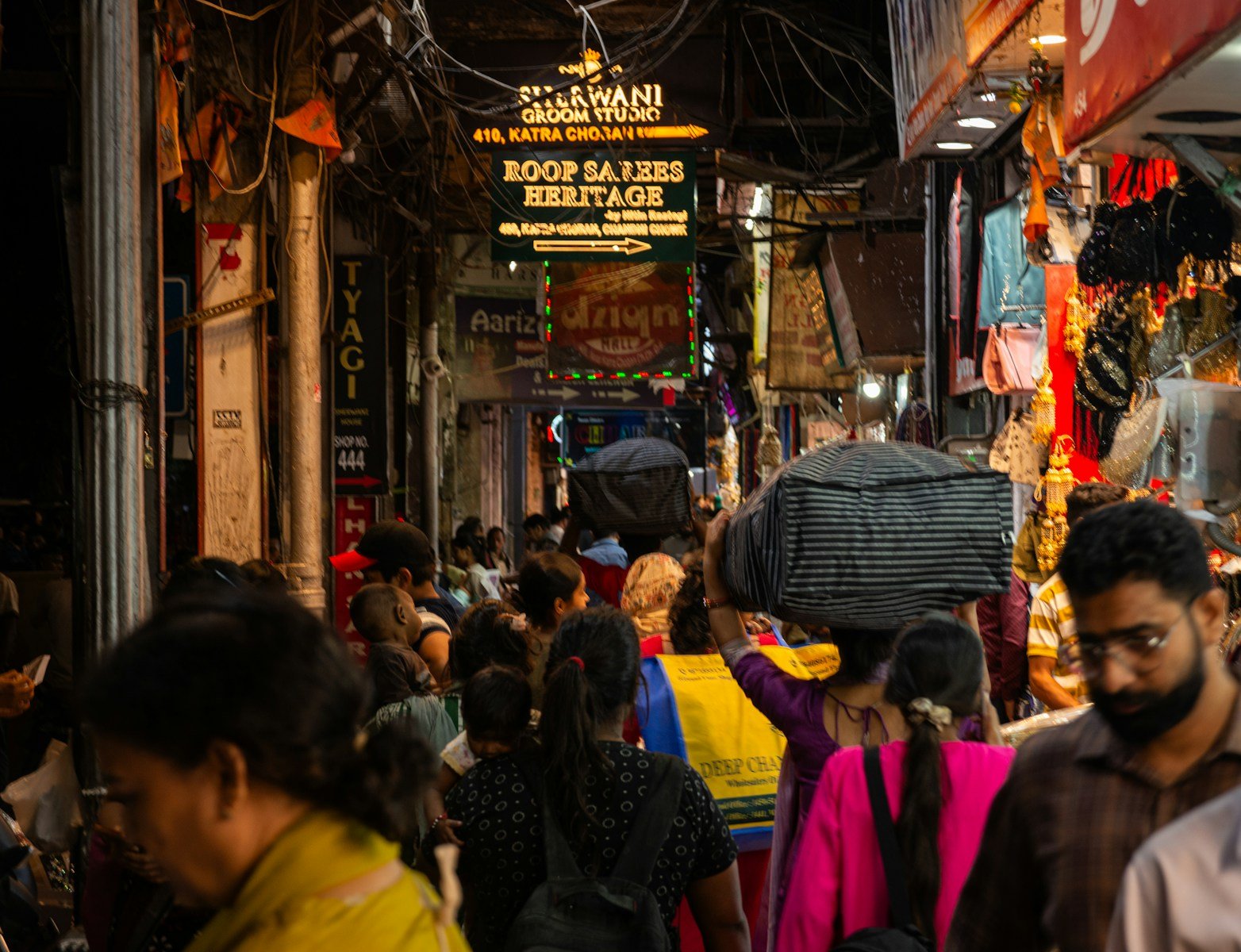
This is the Delhi you see in movies—narrow, winding lanes, tangled wires, and an energy that is absolutely electric.
-
The Vibe: Intense, crowded, and loud. Hygiene standards here are older, so strict adherence to the “7 Rules” is mandatory.
-
Famous Spots:
-
Chandni Chowk: The epicenter of street food. Head here for Jalebis and Chaat.
-
Paranthe Wali Gali: A legendary lane dedicated entirely to fried stuffed breads.
-
Karim’s (near Jama Masjid): A historic institution famous for its Mughal meat dishes (best for those seeking a sit-down meal amidst the chaos).
-
-
Verdict: Go here for the history and the raw, unfiltered culture.
New Delhi: The “Soft Landing”
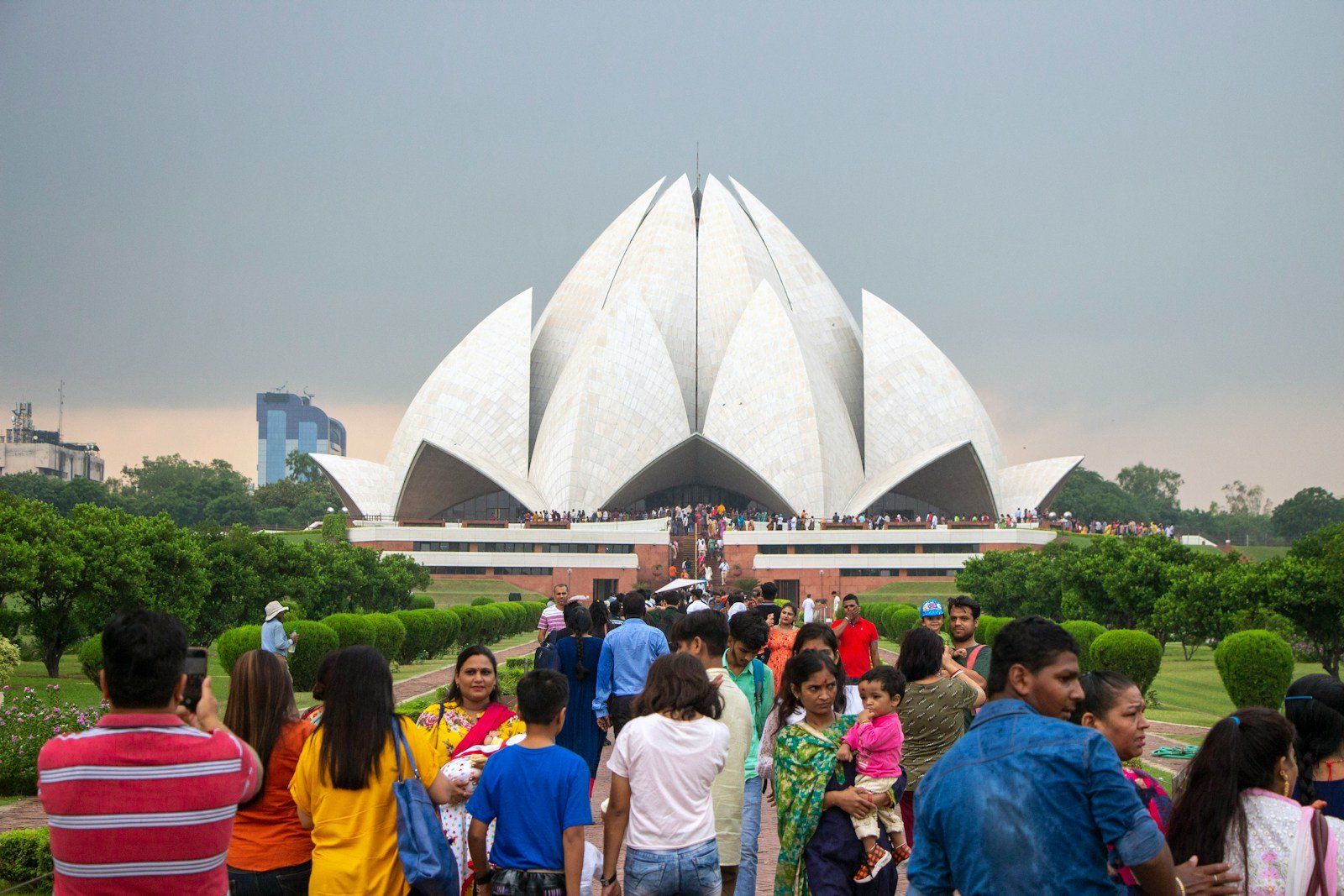
If the chaos of Old Delhi feels overwhelming, New Delhi offers a slightly more organized (and often cleaner) introduction to street food.
-
The Vibe: Wider roads, planned markets, and often better sanitation infrastructure.
-
Famous Spots:
-
Dilli Haat: An open-air food plaza run by Delhi Tourism. You can try safe, hygienic street food from every state in India in one cleaner, ticketed venue.
-
Connaught Place (CP): The colonial heart of the city. Look for the famous Wenger’s Deli or the lines for Rajma Chawal (kidney beans and rice) near the office blocks.
-
Lajpat Nagar: A bustling market famous for Momos and Ram Ladoo (lentil fritters).
-
-
Verdict: Go here if you want to ease your way into the street food scene before tackling the Old City.
Conclusion
Delhi is intense, loud, and chaotic—and its food is exactly the same. The spicy potato hash of Aloo Chaat, the rich, buttery folds of a Paratha, and the sweet crunch of Jalebis are experiences you will remember for the rest of your life.
Don’t let the fear of getting sick keep you trapped in your hotel room eating toast. By following these rules—eating where the locals eat, watching your food get cooked, and sanitizing religiously—you can safely navigate India’s culinary landscape.
The best stories from India almost always start with a plate of food on the side of the road. Go find yours.