Discovering Patagonia’s Untamed Beauty
Patagonia offers you a mesmerizing landscape where rugged mountains meet pristine glaciers, creating a dramatic and awe-inspiring environment. As you venture through its vast wilderness, you’ll encounter diverse wildlife and breathtaking vistas that leave an unforgettable mark on your soul. However, the region’s unpredictable weather and challenging terrains demand your attention and respect. Embrace this untamed beauty and allow yourself to be captivated by the raw power of nature that defines Patagonia.
Key Takeaways:
- Patagonia offers breathtaking landscapes, featuring towering mountains, vast glaciers, and diverse ecosystems.
- The region is home to unique wildlife, including species such as guanacos, Andean condors, and elusive pumas.
- Adventurous activities like trekking, kayaking, and cycling provide immersive experiences in this remote wilderness.
The Enchanting Landscapes of Patagonia
Each corner of Patagonia reveals a captivating interplay of nature’s artistry, where every vista holds a story. You’re greeted by rolling valleys, vibrant lakes, and expansive skies that shift form and color with the hour. This land of extremes contrasts its rugged terrain with flourishing wildlife and lush vegetation, offering a unique canvas for exploration and adventure. You’ll find beauty in both the harsh and the delicate, begging you to uncover its many secrets.
Majestic Mountains
As you traverse Patagonia, the majestic mountains dominate the skyline, resembling sentinels guarding ancient tales. The famed Fitz Roy and Torre Massif towers loom at heights exceeding 3,400 meters, challenging climbers from around the globe. Their steep granite faces, often cloaked in clouds, inspire awe and respect, inviting you to witness their rugged beauty up close through hiking trails like the Laguna de los Tres.
Pristine Glaciers
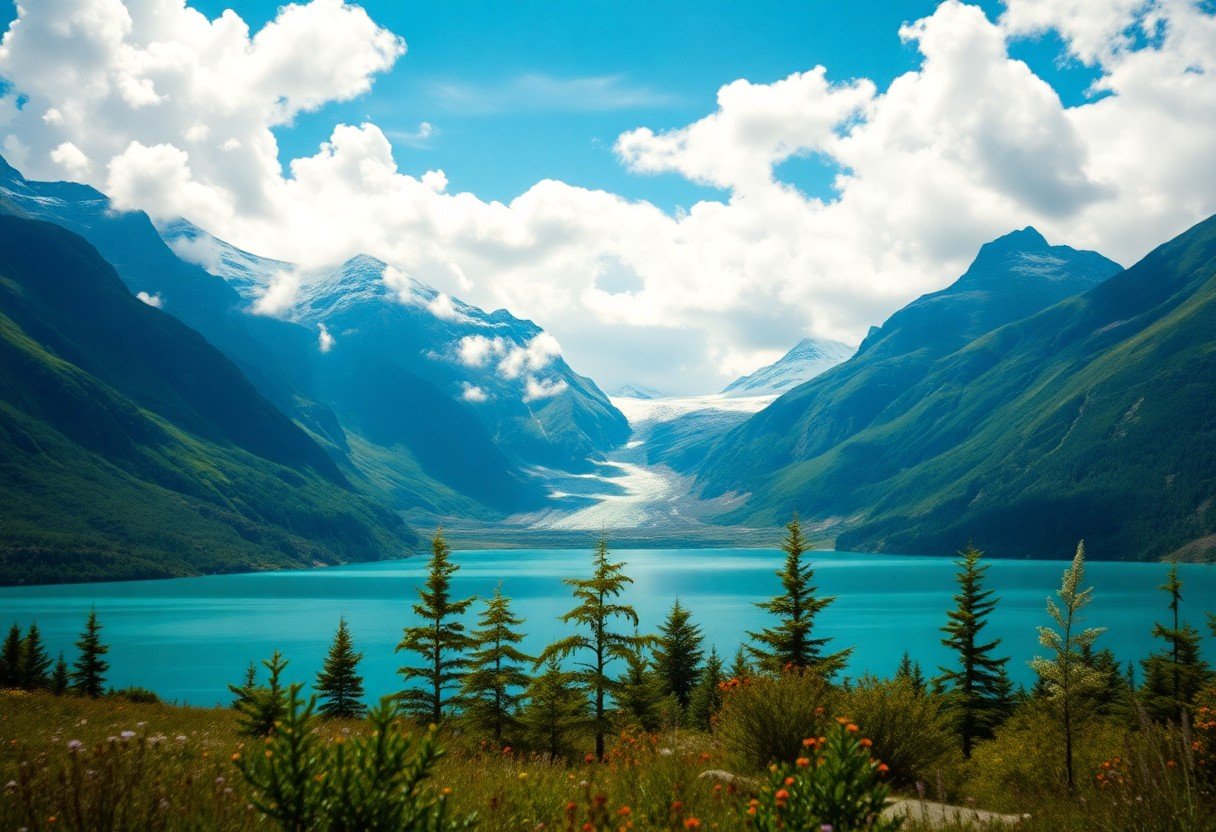
Immerse yourself in the breathtaking world of Patagonia’s pristine glaciers, where the ice flows create a surreal landscape of breathtaking blues and whites. The iconic Perito Moreno Glacier stretches over 250 square kilometers, captivating visitors with its dynamic calving process. Standing before these colossal ice formations, you’ll appreciate their fragile beauty as well as their significance in understanding climate change.
The Perito Moreno Glacier is one of the few glaciers globally that remains stable, making it a focal point for scientists and nature enthusiasts alike. You can witness the spectacle of icebergs crashing into the waters of Lago Argentino, a reminder of nature’s power. In addition to Perito Moreno, the Southern Patagonian Ice Field holds the title of the world’s second-largest contiguous extrapolar ice field, supplying over 48 major glaciers, forging the landscape and supporting a unique ecosystem. A visit here reveals a rare opportunity to connect with a mesmerizing natural wonder that’s both beautiful and fragile.
Unique Flora and Fauna
The diverse ecosystems of Patagonia foster a rich tapestry of unique flora and fauna, captivating nature enthusiasts and scientists alike. From the dense forests of the temperate rainforests to the arid landscapes of the steppe, every habitat is a treasure trove of life. You can encounter species such as the elusive Andean condor soaring above the mountains and the striking Monkey Puzzle tree standing sentinel in the forests, showcasing the spectacular range of adaptations to the region’s climate.
Endemic Species
Patagonia boasts a range of endemic species, including the vulnerable Southern River Otter and the rare Patagonian Mara. These animals are uniquely adapted to their environments, making them vital to the region’s ecological balance. Observing these species in their natural habitat enriches your understanding of the interwoven relationships within this captivating ecosystem.
Conservation Efforts
Conservation efforts are paramount in safeguarding Patagonia’s unique biodiversity. Numerous organizations engage in protecting habitats, such as the creation of the Patagonia National Park, which spans over 650,000 acres. Community initiatives and international partnerships play a pivotal role in ensuring the continued protection and restoration of critical areas, fostering a sustainable coexistence between humans and wildlife.
Within these conservation efforts, strategies like habitat restoration and species monitoring are implemented to address threats such as climate change and invasive species. Field studies and community awareness programs aim to educate locals and visitors about the ecological significance of the region. Notable success stories include the reintroduction of species like the Andean deer, illustrating the ongoing commitment to preserving Patagonia’s delicate balance and ensuring a healthy future for its unique wildlife.
Adventure Activities
Engaging with Patagonia’s wild landscapes invites you to explore an array of adventure activities that cater to every thrill-seeker. From challenging treks through the Torres del Paine National Park to exhilarating ice climbing on the Perito Moreno Glacier, this region is a paradise for outdoor enthusiasts. Whether you’re navigating turbulent rivers or commenceing on multi-day hikes, every experience reconnects you with nature’s untouched grandeur.
Trekking and Hiking
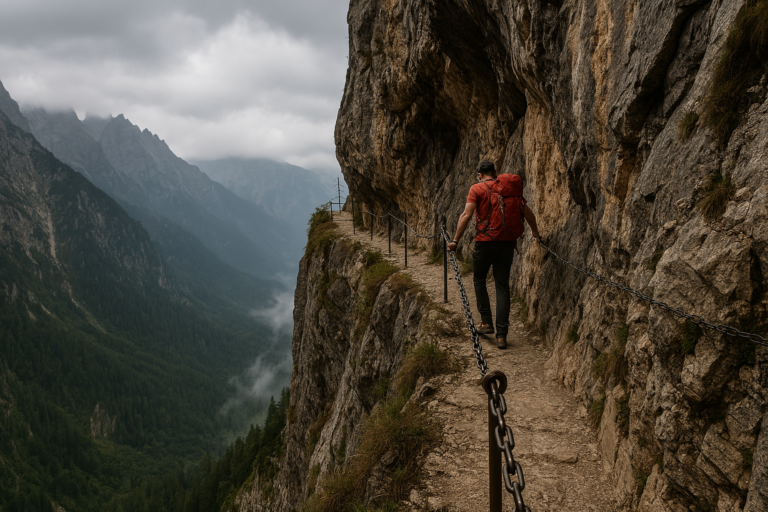
Trekking in Patagonia is an unforgettable experience, featuring trails that range from beginner-friendly walks to strenuous multi-day hikes. You can traverse diverse terrains, witnessing the unparalleled beauty of the Southern Patagonian Ice Field or the dramatic granite peaks of Mount Fitz Roy. Each pathway reveals stunning vistas, cascading waterfalls, and vibrant flora that make every step an adventure.
Wildlife Watching
Patagonia’s ecosystems host an impressive range of wildlife, making it a prime location for wildlife watching. You can spot unique species such as the elusive puma, endangered Andean condors, and playful guanacos while traversing the valleys and plains. The varied habitats, from lush forests to rugged coastlines, create ideal conditions for observing these fascinating creatures in their natural environments.
During your wildlife watching excursions, set your sights on the Torres del Paine National Park, where over 150 bird species and a multitude of mammals thrive. Use binoculars to catch a glimpse of the rare Andean flamingo in Lago Sarmiento or witness the massive sea lions on Isla Magdalena. Early mornings or late afternoons offer the best opportunities for spotting creatures such as the nimble Patagonian fox or the mighty elephant seals at coastal reserves. Embrace the thrill of unexpected encounters as you immerse yourself in the vibrant life that embodies the spirit of Patagonia.
Cultural Heritage
The rich tapestry of Patagonia’s cultural heritage reflects its diverse influences, woven together over centuries. You’ll find a fascinating blend of indigenous traditions and European legacies that continue to shape the identity of the region. From ancient rock art sites to the living customs of local communities, each element invites you to explore the stories and struggles that define Patagonia’s unique historical landscape.
Indigenous Tribes
The indigenous tribes of Patagonia, including the Mapuche and Tehuelche, possess a deep connection to the land, seen in their traditional practices and languages. You can experience their vibrant culture through storytelling, music, and art, all of which offer insight into their enduring resilience and profound relationship with nature. These tribes celebrate their identity with festivals that showcase ancient rituals and crafts, which are integral to understanding the region’s history.
Influence of European Settlers
European settlers profoundly transformed Patagonia, introducing new agricultural practices, languages, and social structures. You’ll notice the remnants of these influences in the towns’ architecture and cultural activities. The influx of settlers during the late 19th and early 20th centuries brought with it not only the promise of land but also conflict over indigenous territories. This complex interplay of cultures led to significant upheaval yet resulted in the rich fusion of culinary traditions, such as the notable Italian and Spanish influences seen in local cuisine.
As settlers established ranches and urban centers, they introduced sheep farming to Patagonia, dramatically shifting the economy and landscape. This influx escalated tensions with indigenous tribes, leading to the displacement of many local communities. Meanwhile, the cultural exchange resulted in a unique blend of traditions, evident in festivals and community gatherings that celebrate both Patagonian and European heritages. For instance, the annual “Feria de las Tradiciones” showcases local artisanship, connecting the past with contemporary life in a vibrant display of music, dance, and crafts.
Best Times to Visit
Your experience of Patagonia largely depends on when you decide to visit. The peak season runs from late December to early March, when the weather is milder and trails are accessible. However, the shoulder seasons-spring and fall-offer fewer crowds and unique landscapes, such as blooming wildflowers or autumn foliage, giving you a chance to explore at a more leisurely pace.
Seasonal Highlights
Each season brings distinct allure to Patagonia. In summer, enjoy long daylight hours perfect for hiking, while winter provides opportunities for skiing in the Andes. Spring showcases vibrant colors with wildflowers blanketing the terrain, and fall transforms the landscape into a tapestry of rich reds and oranges, all inviting you to immerse yourself in nature’s artistry.
Weather Considerations
Patagonia’s weather is notoriously unpredictable, so pack accordingly. You can experience all four seasons in a single day, which is why layered clothing is imperative. Wind, rain, and sudden temperature changes can affect your outdoor plans, particularly in the mountainous areas, making preparation key to enjoying your adventure.
Temperatures vary significantly, ranging from warm highs of around 80°F (27°C) in the summer to frigid lows below freezing during winter nights. Even in summer, gusty winds can make it feel cooler, particularly in areas like Torres del Paine. Keep in mind that the famous Patagonian winds can change frequently, so it’s wise to check the weather forecast and have flexible plans. A sturdy windbreaker is imperative, while sunscreen remains a must due to high UV levels, even on overcast days.
Travel Tips and Recommendations
To fully immerse yourself in Patagonia’s stunning landscape and culture, consider these travel tips. Be prepared for sudden weather changes and always carry basic supplies. Opt for local guides for a deeper insight into the area’s natural wonders.
- Pack layers for variable temperatures
- Stay hydrated during excursions
- Respect local wildlife and habitats
- Try traditional foods in local eateries
Any trip to Patagonia will be unforgettable with these recommendations in mind.
Essential Gear
Your adventure in Patagonia demands the right gear. Sturdy hiking boots are crucial for tackling rugged terrain, while a durable waterproof jacket keeps you dry during rain. Don’t forget a reliable backpack to carry your crucials, a reusable water bottle, and trekking poles to assist on challenging trails. Always prepare for temperature swings, so packing layers is a must.
Local Customs and Etiquette
Understanding local customs enriches your travel experience in Patagonia. Politeness is valued; greet people with a friendly “Hola” and thank them with “Gracias.” When dining, it’s customary to wait until everyone is served before starting your meal. Engaging in conversations about local culture is appreciated, but avoid sensitive political topics. Practicing these customs will leave a positive impression.
Patagonia’s unique blend of cultures shapes its customs and etiquette. As you travel, you’ll notice the respect for the environment and community. It’s common to see people actively involved in sustainability, such as recycling and protecting local wildlife. The region also celebrates traditional crafts; supporting local artisans fosters connections and promotes cultural heritage. Embrace these values during your visit for a more authentic experience.
Final Words
Hence, as you venture into Patagonia, you embrace a world where nature reigns supreme, offering unmatched experiences that stir your spirit. From the dramatic mountains to the shimmering lakes, every corner of this region unveils a breathtaking landscape that invites exploration and adventure. Allow your senses to be captivated by the raw beauty and diverse wildlife, ensuring that your journey creates lasting memories. This untamed paradise not only enriches your understanding of nature but also ignites a profound appreciation for the wild wilderness that is Patagonia.
FAQ
Q: What is the best time to visit Patagonia?
A: The ideal time to visit Patagonia is during the Southern Hemisphere’s summer months, from December to March. This period offers the most favorable weather conditions, with milder temperatures and longer daylight hours, making it perfect for outdoor activities.
Q: What are the must-see attractions in Patagonia?
A: Key attractions include Torres del Paine National Park, the Perito Moreno Glacier, and the marble caves of Lake General Carrera. Each location showcases breathtaking landscapes, unique geological formations, and opportunities for hiking and wildlife viewing.
Q: What activities can I enjoy while in Patagonia?
A: Visitors can engage in a variety of activities such as trekking, kayaking, rock climbing, and wildlife photography. Popular trekking routes include the W trek and the O circuit in Torres del Paine, which offer stunning views of mountains and glaciers.
Q: How can I get around in Patagonia?
A: Transportation options include renting a car, taking long-distance buses, or joining guided tours. Maintain flexibility in your travel schedule to account for remote areas and varying road conditions.
Q: What should I pack for a trip to Patagonia?
A: Essential items include layered clothing for varying weather, a waterproof jacket, sturdy hiking boots, and a daypack. Additionally, don’t forget to pack sunscreen, insect repellent, and a reusable water bottle for hydration during your adventures.