Solo Female Travel Safety: 10 Essential Tips Every Woman Needs to Know
“Is it safe?”
If you are a woman planning a solo trip, you have probably heard this question a dozen times . Maybe it came from a worried parent, a skeptical friend, or perhaps—most quietly—from that little voice in the back of your own head. Your friends and family are concerned about solo female travel safety.
Here is the reality: The world is generally much kinder and more welcoming than the 24-hour news cycle would have you believe. In fact, solo female travel is booming. According to recent data, searches for “solo female travel” have surpassed pre-pandemic levels, proving that the desire to explore the world on your own terms is stronger than the fear of the unknown.
However, confident travel isn’t about ignoring risks; it’s about managing them. Real safety comes from preparation, street smarts, and knowing how to blend in. It’s about having a plan so you can focus on the fun stuff—like deciding which street food stall has the longest line or figuring out How To Meet People While Traveling Alone without putting yourself in a vulnerable position.
This guide isn’t here to scare you. It’s here to give you the “digital bodyguard” tools and practical strategies you need to navigate the globe securely. From government resources like the U.S. Department of State’s STEP Program to simple behavioral hacks that deter pickpockets, we are covering the essentials.
Before you book that flight, make sure you have your bases covered—including knowing Travel Insurance Coverage—and then dive into these ten non-negotiable safety tips.
The “Digital Bodyguard” (Tech & Prep)
Safety starts long before you step on the plane. In 2025, your smartphone is your best defense weapon—but only if you set it up correctly. We call this your “Digital Bodyguard.” It doesn’t sleep, it doesn’t get jet lag, and it keeps a lifeline open to people who care about you.
Share Your Live Location (Not Just Your Itinerary)
Old-school safety advice was “leave a copy of your itinerary on the fridge.” That doesn’t cut it anymore. Itineraries are static; your movements are dynamic. You need real-time tracking.
Before you leave, set up a “location protocol” with one or two trusted contacts back home. You don’t need to text them every hour, but they should be able to see where you are if you go silent.
-
Google Maps: Use the “Location Sharing” feature to share your real-time position for a set duration (e.g., “Until I turn this off”).
-
WhatsApp: Perfect for short-term tracking, like when you are in a taxi. You can share your “Live Location” for 1 hour or 8 hours.
-
Specialized Apps: If you want a dedicated safety suite, check out our guide to Essential Travel Apps You Need in 2026.
The “First 24 Hours” Rule: Arrive by Day, Pre-Book the Ride
The most vulnerable time for any solo traveler is the first two hours after landing. You are likely tired, carrying all your valuables, and you don’t yet know the “vibe” of the city.
-
Land Before Sunset: Always try to book flights that arrive in the daylight. Navigating a new public transit system or finding your hotel signage is infinitely less stressful when you can actually see.
-
Skip the Haggling: Do not try to negotiate a taxi fare when you are exhausted. Pre-book a transfer through your hotel or use a reputable app like Uber or Grab where the ride is tracked. If you are taking public transit, research the route beforehand so you aren’t staring at a map on a dark platform.
Digital Redundancy: The “Cloud” Backup
Imagine losing your purse with your passport and wallet inside. It’s a nightmare, but it doesn’t have to be a disaster. If your physical documents are gone, your digital ones can save you.
-
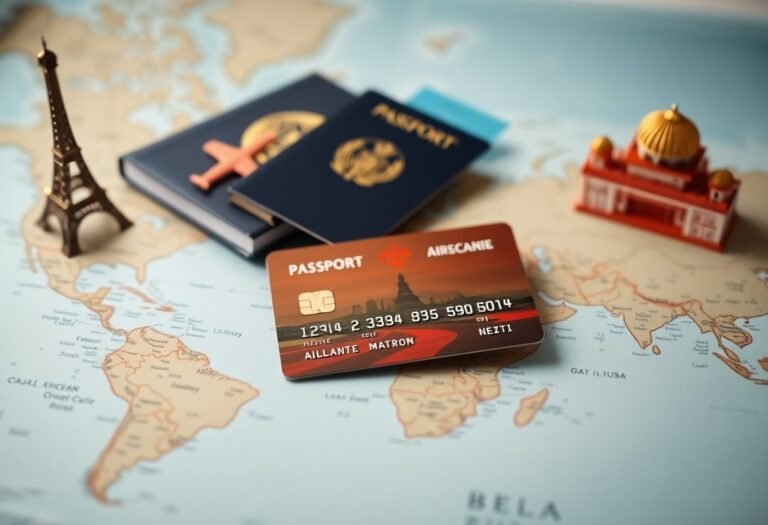
Scan Everything: Take clear photos of your passport (photo page), driver’s license, travel insurance policy, and the front and back of your credit cards.
-
The Cloud Strategy: Upload these to a secure folder in Google Drive, Dropbox, or iCloud. If your phone gets stolen, you can log in from any computer at a hotel lobby or internet cafe to retrieve them. This is crucial for working with the embassy to get an emergency replacement passport—see the U.S. Department of State’s checklist for lost passports for exactly what you will need.
-
Power is Safety: None of these digital safety nets work if your phone is dead. A dead battery at 2 AM is a genuine safety risk. Never leave your hotel without a fully charged portable charger. If you don’t have one yet, check out our reviews of the Best Power Banks for International Travel to ensure you never go dark.
On The Ground Strategy
Once you have left the airport, your safety strategy shifts from “preparation” to “situational awareness.” This doesn’t mean you need to be paranoid; it just means you need to be smarter than the opportunists looking for an easy target.
Accommodation Security Hacks (Beyond the Lock)
Your hotel room or hostel dorm is your sanctuary. It’s the one place where you need to be able to drop your guard and sleep deeply. However, safety standards vary wildly depending on where you are in the world.
-
The “3rd to 6th Floor” Rule: When checking in, request a room on the 3rd, 4th, 5th, or 6th floor. Security experts often recommend this “Goldilocks zone”: it is high enough to be difficult for intruders to break into from the street, but low enough that fire ladders can reach you in an emergency.
-
The “Occupied” Illusion: If you are leaving your room for the evening, leave the “Do Not Disturb” sign on the door and keep the TV on at a low volume. It creates the impression that someone is still inside.
-
Trust Your Reviews: Never book a place solely on price. Read reviews specifically from other solo female travelers. If they mention dark alleyways or an unstaffed front desk at night, skip it. For more on finding safe spots, check out our guide on How to Book Hotels Like a Pro to spot red flags before you pay.
The Art of “Blending In” (Dress & Demeanor)
One of the biggest safety risks is standing out as a confused tourist. The goal is to look like an expat—someone who lives there and knows exactly where they are going.
-
Walk With Purpose: Even if you are hopelessly lost, keep walking confidently. Do not stop in the middle of the sidewalk to stare at your phone map. Instead, duck into a café or a shop to reorient yourself.
-
Dress the Part: Research local modesty norms before you pack. In conservative countries, wearing revealing clothing doesn’t just attract stares; it can mark you as disrespectful and unaware of your surroundings. Our article on Cultural Etiquette Tips for Global Travelers breaks down specific dos and don’ts for different regions so you can respect the culture while staying safe.
-
Situational Awareness: Avoid wearing noise-canceling headphones when walking alone. According to safety experts at ADT, hearing is a primary defense sense; blocking it out leaves you vulnerable to someone approaching from behind.
Alcohol and Nightlife: The “Two-Drink” & “Bottle” Rule
You don’t have to lock yourself in your room after dark. You can enjoy the nightlife, but the rules are different when you are solo.
-
Watch Your Pour: Never accept a drink you didn’t see poured or opened.
-
The Bottle Trick: If you are at a crowded bar, order a bottled beer or soda rather than a cocktail in an open glass. You can easily keep your thumb over the opening of a bottle while you navigate the crowd, making it much harder for someone to slip something into your drink.
-
The Exit Strategy: Before you order your first drink, know how you are getting home. Do not rely on finding a taxi at 2 AM; have your ride-share app ready or the number of a reputable taxi company saved.
Money Management: Diversify Your Stash
If you are pickpocketed, it should be an inconvenience, not a trip-ending disaster.
-
The Dummy Wallet: Carry a cheap, secondary wallet with a small amount of cash (enough for the day) and perhaps an expired library card or gift card. If you are mugged, hand this over. The thief gets “something” and leaves, and you keep your actual credit cards safe.
-
Split Your Cash: Never keep all your money in one place. Keep an emergency $50 bill and a backup credit card hidden in a different bag or a secret pocket—separate from your main wallet.
Mental & Social Safety
The physical tools—locks, alarms, and apps—are important, but your strongest safety asset is your mindset. Women are often socialized to be polite, accommodating, and quiet. When you are traveling solo, you need to be ready to override that programming.
Weaponize Your “Politeness” (Learn to be Rude)
Predators often rely on the fact that women are trained to be “nice.” They count on you feeling too awkward to cause a scene.
-
The Hard “No”: If someone is making you uncomfortable, you do not owe them a smile, an excuse, or a conversation. A firm, loud “NO” is universally understood.
-
Make Noise: If you feel threatened in a public place, do not be afraid to be loud. Scream, shout “Fire!” (which often gets more attention than “Help”), or blow a safety whistle. Embarrassment is temporary; safety is permanent.
-
The “Tourist Trap” Radar: Often, overly friendly strangers approaching you on the street are not trying to be friends; they are trying to sell you something or distract you. Learn to spot these encounters early by reading our guide on Avoiding Tourist Traps, so you can walk away without guilt.
The “Imaginary Friend” Strategy
Even if you are traveling entirely alone, you should never appear to be.
-
The White Lie: If a taxi driver or a stranger at a bar asks, “Are you here alone?”, the answer is always “No.”
-
The Script: “No, I’m meeting my husband here in ten minutes” or “My group is just back at the hotel.” This simple lie removes you from the “easy target” category.
-
The Prop: Some solo female travelers choose to wear a cheap, fake wedding band. While not a foolproof shield, it can act as a deterrent in cultures where married women are viewed as “off-limits.”
Trust Your Gut (The Lizard Brain)
This is the most important tip on this list. Your intuition is not “anxiety” or “paranoia”—it is a survival instinct evolved over millions of years.
-
The Science: Intuition is often your brain processing thousands of subconscious signals (micro-expressions, tone of voice, environmental anomalies) faster than your conscious mind can explain them.
-
The Action: If a situation feels “off,” leave immediately. Do not worry about being rude. Do not worry about the cost of the meal you just ordered. If your “spidey sense” is tingling, listen to it. It is always better to look silly than to be unsafe.
-
Further Reading: For a deeper dive into why women specifically are wired to sense danger, check out this article on The Neuroscience of Women’s Intuition, which explains how your brain draws on past experiences to protect you.
Conclusion: Fear Less, Travel More
Solo female travel is one of the most empowering experiences you can give yourself. It teaches you resilience, boosts your confidence, and introduces you to a version of yourself you didn’t know existed.
The goal of these safety tips isn’t to make you fearful of the world—it’s to make you formidable within it. When you know you have your digital backups, your door locks, and your street smarts in place, the anxiety quiets down. And when the anxiety quiets down, the adventure begins.
Ready to start planning your first solo adventure? Start by choosing a destination that feels manageable. Check out our list of The 10 Least Visited Countries In Europe for some quiet, safe, and stunning destinations to kick off your journey.
Stay safe, trust your gut, and we’ll see you on the road.