Tea Trails in Sri Lanka: Why they Should Be on Your Bucket List
Have you ever heard of the tea trails in Sri Lanka? Well imagine waking up to a world where the horizon is nothing but an endless, rolling carpet of emerald green. The air here is crisp—a sharp contrast to the tropical heat of the coast—and carries the distinct, earthy aroma of fresh tea leaves being processed in a century-old factory nearby. This is the hill country of Sri Lanka, a region so ecologically and culturally significant that the Central Highlands have been designated a UNESCO World Heritage site.
For decades, travelers visited this misty region simply to sip a cup of the world-famous Ceylon Tea and snap a few photos of the waterfalls. But today, the experience has evolved into something far more immersive. Whether you are traversing the newly mapped, 300-kilometer Pekoe Trail on foot or indulging in the “planter’s life” at a colonial bungalow, the Tea Trails of Sri Lanka offer a unique blend of adventure and history that you won’t find anywhere else in Asia.
While the beaches often get the glory on Sri Lanka Tourism brochures, the quiet magic of the mountains is where the island’s heart truly beats. From the labor of the tea pluckers to the misty peaks of Ella and Nuwara Eliya, here is why a journey along these tea trails needs to be at the very top of your travel bucket list.
The Surreal Landscapes of the Tea Trails in Sri Lanka
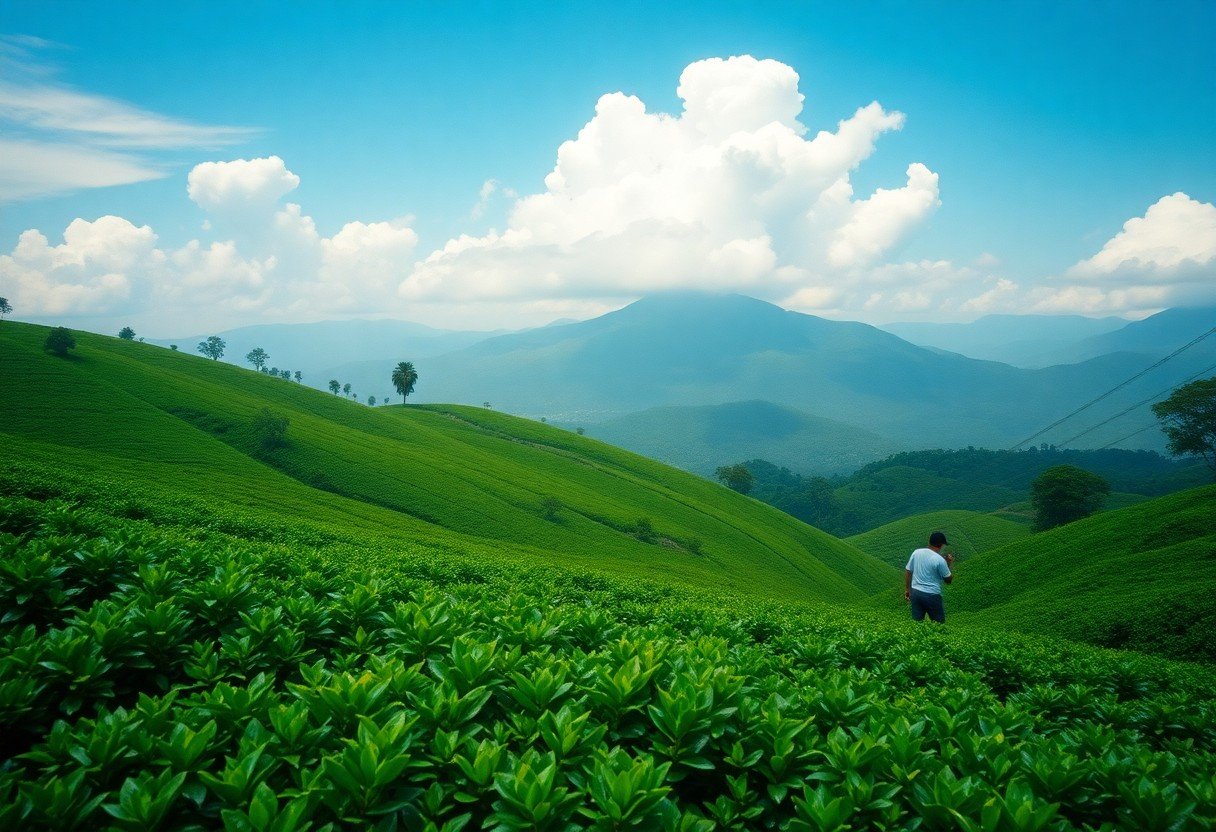
If you have ever seen a photo of Sri Lanka, it was likely of the “Green Carpet”—the endless, manicured rows of tea bushes that contour the mountains like a topographic map come to life. But seeing it from a bus window is one thing; standing in the middle of it is entirely another.
The most iconic vantage point is arguably Lipton’s Seat in Haputale. This is the exact spot where Sir Thomas Lipton used to survey his burgeoning tea empire in the late 1800s. On a clear morning, you can see across five provinces, all the way down to the southern coast.
For a different kind of visual drama, head to the town of Ella. Here, the tea fields don’t just cover rolling hills; they frame architectural marvels like the Nine Arch Bridge. Watching the blue train chug over this stone viaduct while you stand waist-deep in a tea plantation above is a bucket-list moment that perfectly captures the harmony between nature and engineering in the hill country.
The Adventure of the Pekoe Trail
While the views are great, the best way to experience them is by walking. Enter the Pekoe Trail, Sri Lanka’s first curated long-distance hiking route, which has completely changed how travelers explore the region.
Spanning roughly 300 kilometers (186 miles), this trail is broken down into 22 distinct stages, allowing you to choose your own adventure. You don’t need to be a hardcore mountaineer to enjoy it; many stages are gentle walks on wide estate roads originally built for ox-carts.
-
For the Day Hiker: Try Stage 1 (Hanthana) near Kandy for incredible panoramic views, or the popular Stage 22, which takes you through the high-altitude tea fields around Nuwara Eliya.
-
For the Thru-Hiker: The full trail connects Kandy to Nuwara Eliya, passing through Haputale, Ella, and Hatton. It weaves through historic estates, past waterfalls, and into remote villages where life hasn’t changed much in a century.
Unlike the steep ascents of Adam’s Peak, the Pekoe Trail is about “slow travel.” It gives you the chance to meet the tea pluckers, spot endemic wildlife, and breathe in the cool mountain air away from the busy main roads.
Walking Through History (The Heritage)
The Tea Trails are not just nature walks; they are pathways through a living agricultural history that shaped the island’s destiny.
Before tea, this island was famous for coffee. It was a Scotsman named James Taylor (No…NOT the singer) who changed everything. In 1867, after a fungus wiped out the coffee plantations, Taylor planted the first commercial tea field at the Loolecondera Estate near Kandy. Today, you can still visit his original seat—a rock viewpoint where he used to survey his new empire.
As you hike through the estates, you will see infrastructure that has remained largely unchanged for over a century. Many of the tea factories, like the one at Dambatenne (built by Sir Thomas Lipton himself in 1890), still use original British machinery to roll and dry the leaves. Walking these trails is arguably the closest you can get to time travel in Sri Lanka.
The Ultimate “High Tea” Experience
You cannot hike the Tea Trails without tasting the product. But we aren’t just talking about a quick teabag in a mug. The hill country offers a “farm-to-cup” experience that rivals wine tasting in France.
For a truly artisanal experience, I recommend visiting the Amba Estate in the Uva Highlands. Unlike the massive commercial factories, Amba focuses on hand-rolled teas. Here, you can watch the entire process and even taste “tea jams” and jellies.
If you prefer the classic British colonial vibe, nothing beats a proper “High Tea” on a manicured lawn. The cool climate (often comparing to a spring day in England) makes sipping hot Earl Grey accompanied by scones and cucumber sandwiches a delightful ritual rather than a sweaty chore.
Unique Accommodation (From Bungalows to Homestays)
After a long day on the trails, the accommodation options in the tea country are an attraction in themselves.
-
The Splurge: For the ultimate luxury, the Ceylon Tea Trails is the gold standard. This collection of five restored colonial-era planter’s bungalows is part of the prestigious Relais & Châteaux group. Imagine butler service, roaring fireplaces, and waking up to bed tea served in fine china while looking out over Castlereagh Lake.
- The Authentic Stay: If you are on a tighter budget or want a local connection, look for guesthouses in Ella or Haputale. Many families have converted rooms in their homes, offering delicious home-cooked curry and a front-row seat to the sunrise over the plantation slopes.
Practical Tips for Planning Your Trip
The hill country is distinct from the rest of Sri Lanka, so a little specific planning goes a long way.
-
When to Go: The best weather for hiking the Tea Trails is generally from December to March. This is the driest period in the hill country, offering crisp blue skies and cool nights. Avoid October and November, which are typically the wettest months due to the inter-monsoon rains.
-
The Iconic Journey: Most travelers arrive via the famous “Blue Train.” The route from Kandy to Ella is often cited as one of the most beautiful train rides in the world. However, tickets sell out fast. I highly recommend reading the guide by The Man in Seat 61 to understand how to book reserved seats versus unreserved classes.
-
Entry Requirements: Before you pack your bags, ensure your paperwork is in order. Most travelers need an Electronic Travel Authorization (ETA), which you should only obtain through the official Sri Lanka ETA Portal to avoid third-party fees.
-
What to Pack:
-
Layers: It can be 30°C (86°F) in Colombo but drop to 10°C (50°F) in Nuwara Eliya at night. Bring a fleece or light jacket.
-
Leech Socks: If you plan on hiking the Pekoe Trail during or just after rain, these are a lifesaver.
-
Sun Protection: The mountain sun is deceptively strong even when the air feels cool.
-
Conclusion
Sri Lanka is often defined by its golden beaches and safari parks, but the soul of the island lies in its highlands. The Tea Trails offer a rare combination of experiences: the physical challenge of the Pekoe Trail, the intellectual engagement of colonial history, and the sheer indulgence of luxury bungalows.
Whether you are an intrepid hiker looking to conquer all 22 stages of the trail or a luxury traveler wanting to sip the world’s finest brew with a view, the hill country welcomes you with open arms and a warm cup.
Ready to trade the city smog for mountain mist? Start planning your trek along the tea trails in Sri Lanka today, and discover the “Green Carpet” for yourself.